REQUEST A QUOTE
Choosing between a fully automatic and a semi-automatic cartoning machine depends on your production volume, labor availability, budget, and packaging requirements. A semi-automatic solution may suit small batches or operations with frequent manual handling, while a fully automatic cartoner is generally better for manufacturers seeking consistent output and less manual intervention.
This guide compares both options to help you make a practical purchasing decision.
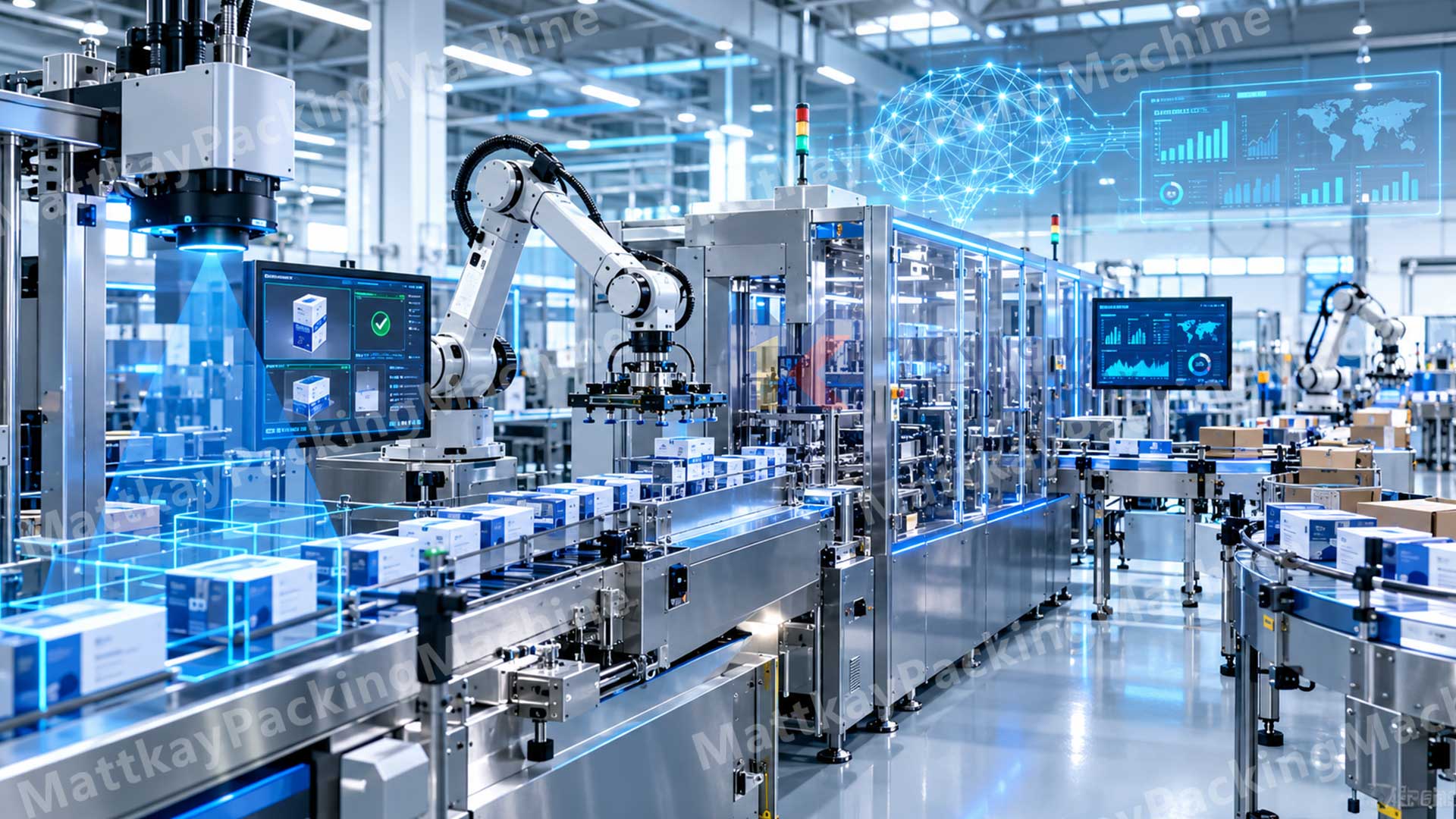
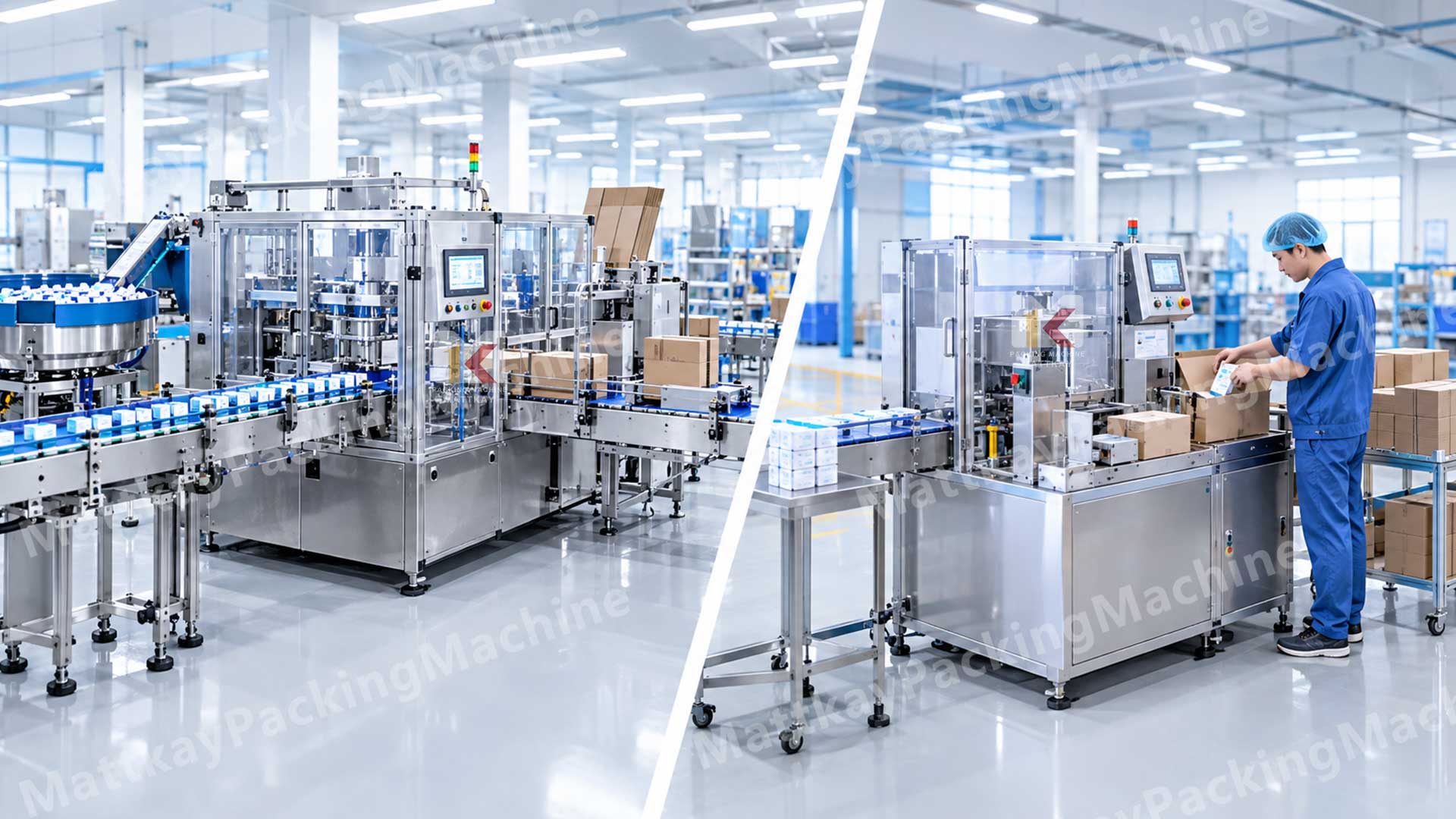
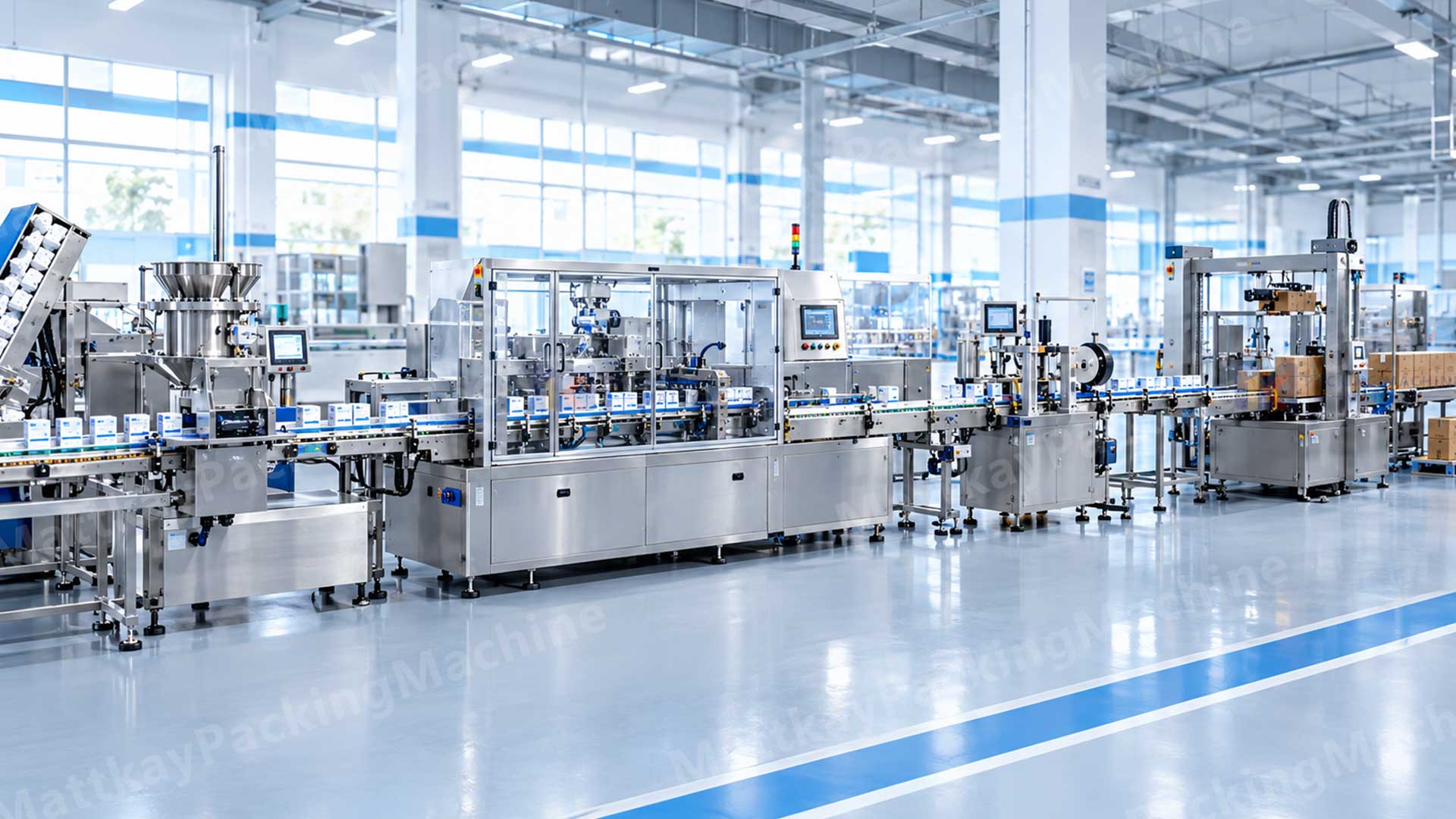
A fully automatic cartoning machine automates key packaging operations, which may include carton opening, product loading, and carton closing. Depending on the configuration, it can connect with feeding, inspection, labeling, and downstream case-packing equipment.
Fully automatic equipment usually requires a larger initial investment, more installation planning, and appropriate operator training. Product feeding, carton quality, and changeover requirements must also be evaluated before purchase.
Explore Mattkay's food-cartoning-machine fully automatic food cartoning machines for food packaging applications.
A semi-automatic cartoning machine combines mechanical assistance with manual operations. Depending on the design, an operator may need to place products into cartons, position materials, or perform part of the closing process.
Manual handling can restrict output and make production consistency more dependent on operator experience. Labor requirements may also become a significant ongoing cost when production volumes increase.
Important: The exact functions of a semi-automatic machine vary by design. Confirm which operations are manual and which are automated before comparing quotations.
| Comparison factor | Fully automatic | Semi-automatic |
|---|---|---|
| Initial investment | Usually higher | Often lower |
| Manual intervention | Lower during normal operation | Higher |
| Production consistency | More repeatable when correctly configured | More dependent on operator performance |
| Production volume | Better suited to sustained, higher output | Often suitable for smaller batches |
| Labor requirements | Usually fewer repetitive manual tasks | More operator involvement |
| Line integration | Can be integrated into automated lines | May require more manual transfers |
| Changeover | Depends on machine design and carton range | May be straightforward for simple setups |
| Best fit | Growing or established production operations | Small-scale or labor-flexible operations |
Actual performance depends on the machine model, product characteristics, carton design, operator workflow, and factory conditions. Do not compare machines by automation level alone.
The lowest purchase price does not always mean the lowest long-term operating cost. Manufacturers should compare the total cost of ownership over the expected service life of the equipment.
Estimate how many operators are required for each option, the cost of labor per hour, and the number of operating hours per year.
Use the number of cartons that pass quality checks, rather than the machine's advertised maximum speed, to estimate practical output.
Consider installation, maintenance, spare parts, training, changeover time, rejected cartons, and downtime.
A simple comparison is:
Annual operating cost = labor + maintenance + downtime cost + consumables and waste
Compare this figure with the initial investment and expected production needs. The best option is the one that meets your requirements at an acceptable total cost—not necessarily the machine with the highest speed.
A fully automatic cartoner is worth evaluating when:
For pharmaceutical applications, Mattkay's automatic blister pack cartoning machine is designed for carton packaging of products such as blister packs, tablets, and capsules. Actual suitability should be confirmed against your product and packaging specifications.
A semi-automatic setup may be appropriate when production demand is low or irregular, product handling remains difficult to automate, or capital investment must be kept limited.
It may also serve as an interim step while a factory standardizes its packaging process. However, if labor-intensive operations become a persistent bottleneck, compare the long-term cost of manual handling with the cost of automation.
Provide product dimensions, weight, carton length, width, height, material, and closure style.
Calculate your required cartons per minute from actual production demand and available operating time. Allow for planned stops, changeovers, and quality checks.
Confirm whether products will be loaded manually or supplied by an automatic feeding system. If you plan to connect other equipment, define the required interfaces and production flow.
Ask the manufacturer to test representative products and cartons. Confirm training, spare-parts availability, maintenance access, and technical support before placing an order.
For a broader selection framework, read Mattkay's guide to selecting the right automatic cartoner.
There is no single best choice for every factory. Semi-automatic equipment can make sense for small batches and limited budgets, while fully automatic cartoning is generally more suitable for sustained production and integrated packaging lines.
Before deciding, compare actual labor requirements, usable output, carton compatibility, and total operating cost. Mattkay provides customized automatic cartoning equipment and packaging-line solutions for different products and industries.
Visit the Mattkay company profile or official website to discuss your packaging requirements.
Not necessarily. Actual output depends on the product, carton design, feeding method, machine configuration, and operating conditions. Compare tested production rates rather than automation labels alone.
No. Operators may still need to replenish materials, monitor the line, perform quality checks, and carry out maintenance.
Many models support multiple carton sizes within a specified range. Confirm the permitted dimensions, changeover method, and any additional tooling required.
Compare the initial investment with expected labor savings, usable output, maintenance, downtime, and other operating costs over a defined period. Use your own production data rather than relying on a generic payback claim.