
REQUEST A QUOTE
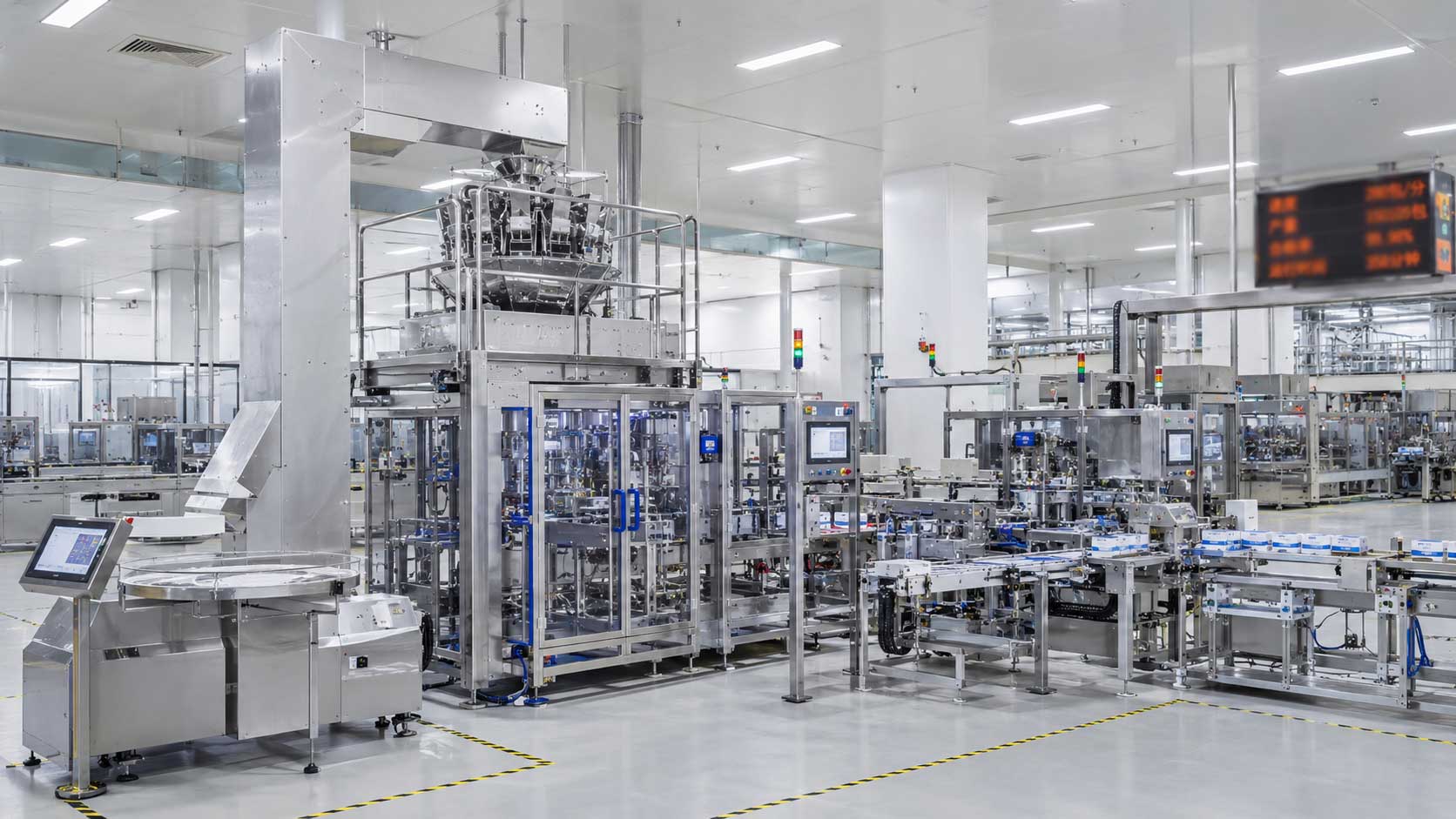
Selecting the right automatic cartoner for your factory is crucial for optimizing your packaging process. You need to start by understanding your specific product requirements, including size and material compatibility. It’s not just about choosing a machine; it’s about aligning it with your production goals and factory layout. As you consider your options, think about the practical implications of different models. What factors will truly make a difference in your operation?
To select the right automatic cartoner, you need to have a solid grasp of your packaging product.
Understand its specific requirements, such as carton design and production demand, to ensure you choose the best machine for the job. Consider how well the cartoner will fit into your factory layout and its compatibility with existing automation systems before making a decision. Additionally, evaluating regulatory compliance will help ensure that your packaging meets industry standards and safety regulations.
Understanding the specifics of your packaging product is crucial when comparing different types of automatic cartoners.
First, consider the size and shape of your product. Some cartoners handle irregular shapes better than others.
Next, look at the material. Are you working with paperboard or plastic? Different cartoners are designed for different materials.
Also, think about the speed of operation. If you have a high-volume production line, you’ll need a machine that can keep up.
Assess the type of closure you prefer—do you want glued, taped, or stapled cartons?
Finally, evaluate any additional features you might need, such as serialization or printing capabilities.
With this knowledge, you'll be better equipped to select the right automatic cartoner for your needs.
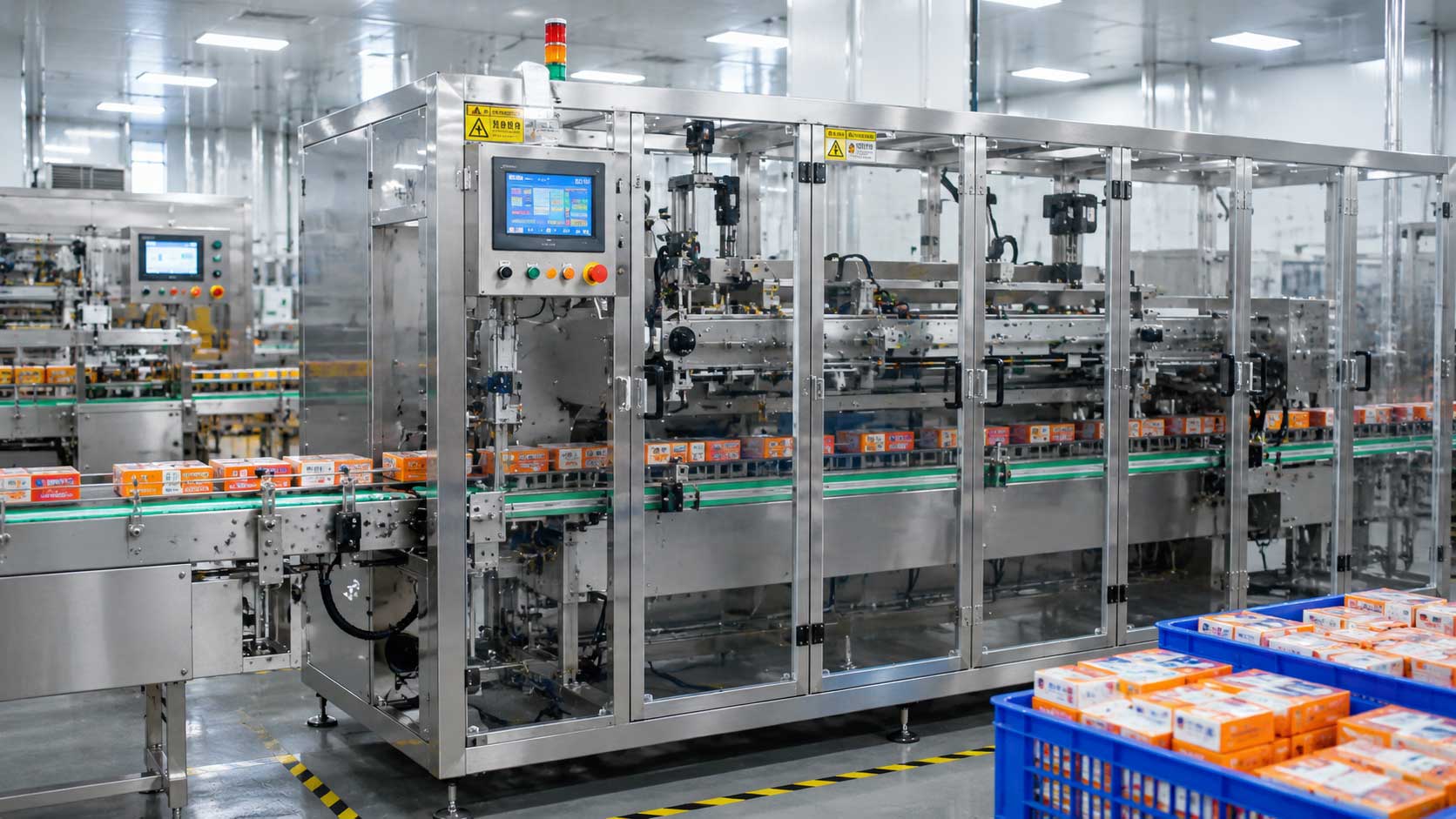
Selecting the right automatic cartoner isn’t just about features; it’s about aligning the machine with your real production demand.
Start by clearly understanding your packaging product. What’s the size, shape, and material of the items you’ll be cartoning? Knowing this helps you determine the appropriate cartoning speed and capacity.
Consider your current production volume, too. Are you experiencing seasonal demand spikes? You’ll want a machine that can adapt to these changes without compromising efficiency.
Analyze your future growth potential; your cartoner should be versatile enough to handle increased output without needing a complete overhaul.
Ensuring compatibility with your carton designs is crucial for smooth operations and quality output. Start by analyzing the dimensions, materials, and structures of your cartons.
Make sure the cartoner can handle your specific carton types, whether they're flat, one-piece, or auto-bottom designs. Examine features like width adjustments, height modifications, and material compatibility.
Think about how your chosen cartoner interacts with your cartons opening mechanisms and flap types. Additionally, verify that it can accommodate any printing or labeling requirements you have.
Consulting with suppliers for design samples can help you see how different models integrate with your specific needs.
In the end, aligning your carton designs with the right cartoner ensures efficiency and better product presentation.
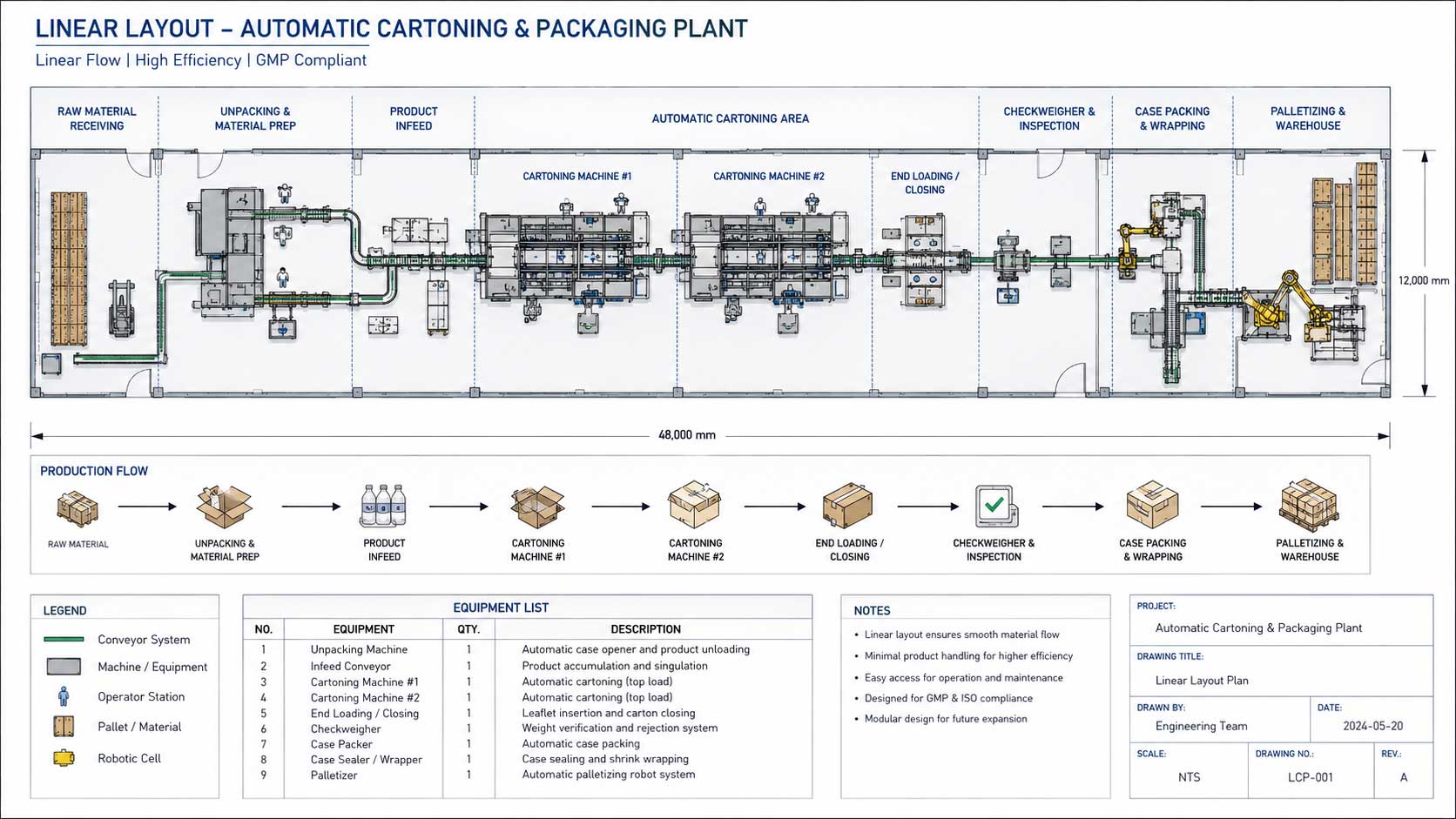
Before you install an automatic cartoner, it's essential to evaluate your factory layout, especially if you want to optimize efficiency.
Start by considering the dimensions and flow of your workspace. Measure the space where the cartoner will be placed, ensuring it fits without obstructing other machinery or workflows.
Analyze traffic patterns to pinpoint the best locations for raw material delivery and finished product storage.
Think about how operators will access the machine for maintenance and controls. Also, consider the path for materials entering and exiting the system.
A well-planned layout minimizes downtime and streamlines processes, ultimately boosting productivity.
Taking the time to assess these factors now will pay off significantly in the long run.
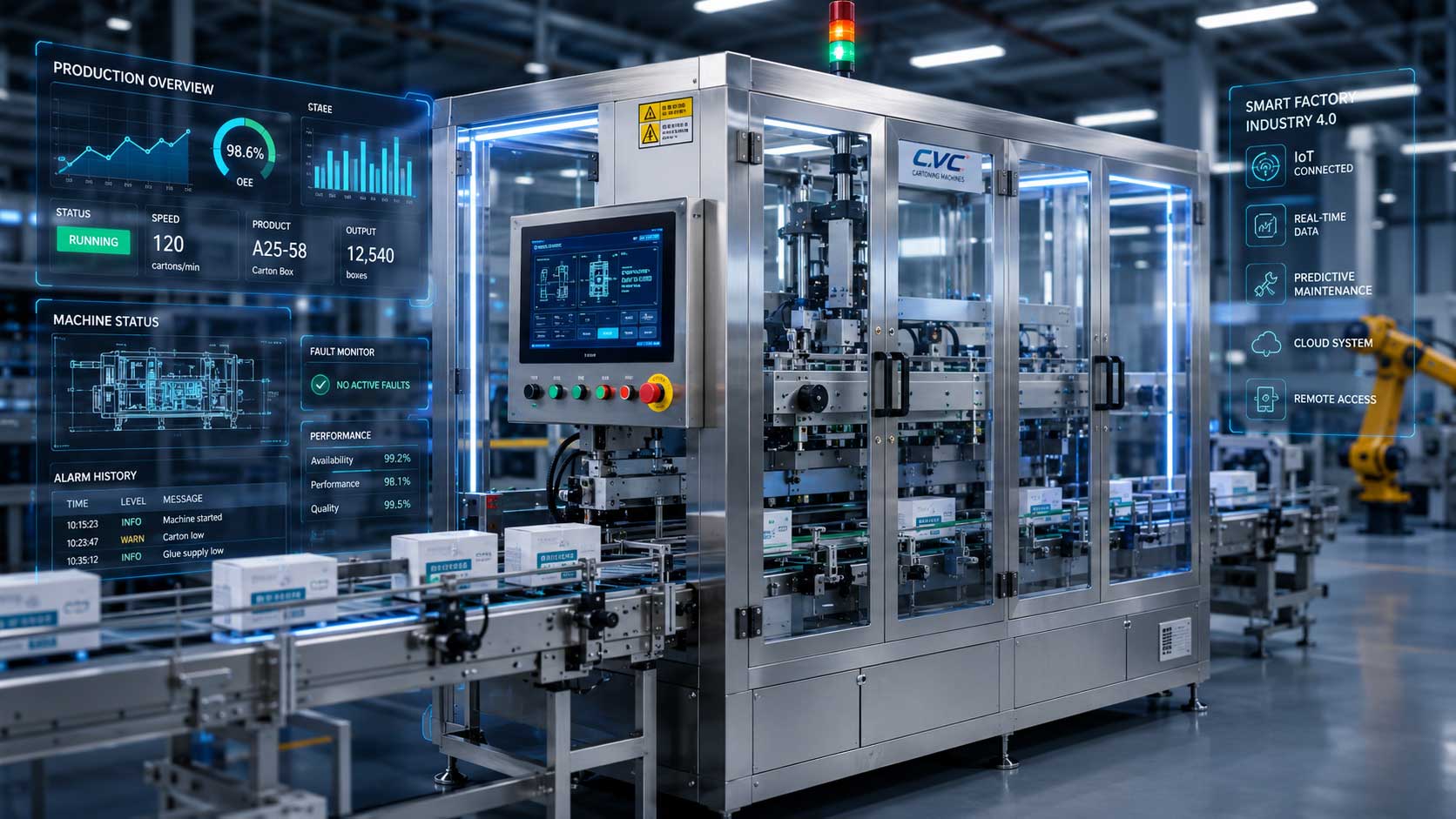
Automation and control systems are critical components of your packaging process, impacting the efficiency and reliability of an automatic cartoner.
When selecting a cartoner, make sure to assess the automation capabilities that suit your specific needs. Look for systems that offer real-time monitoring and adjustments, allowing you to quickly respond to fluctuations in production.
It’s essential to understand how these systems integrate with your existing equipment and software. A user-friendly interface will simplify operations and minimize training time for your staff.
Additionally, check for compatibility with different packaging formats you may handle in the future. Prioritizing advanced automation can enhance productivity, reduce labor costs, and ultimately improve your packaging line's overall performance.
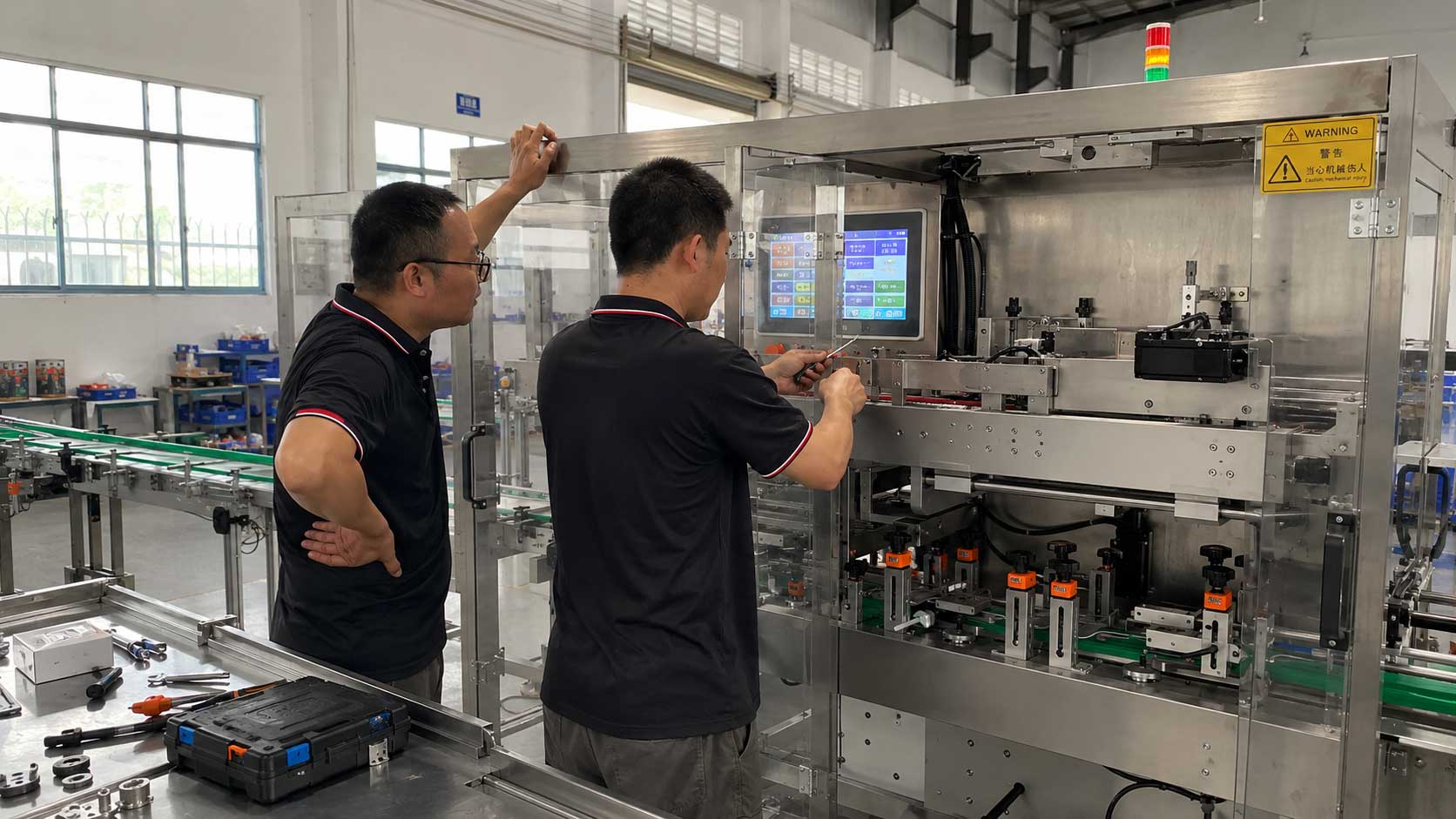
Understanding your packaging product is the first step in considering maintenance requirements and supplier support for your automatic cartoner. Think about the complexity of your product and how it affects the cartoner's operation. If your product has unique characteristics, ensure the supplier can support specific maintenance needs.
You'll want to ask about the availability of spare parts and the response time for repairs. Strong supplier support can minimize downtime and keep your operations running smoothly.
Additionally, consider whether the supplier offers training for your staff on maintenance tasks. A knowledgeable team will enhance the longevity of your cartoner and improve overall efficiency.
Choose a supplier who prioritizes customer support to ensure you're never left in the lurch.
When selecting an automatic cartoner, having a clear understanding of your packaging product is crucial to avoid common purchasing mistakes. Many factories overlook factors like product size, shape, and weight, which can lead to choosing the wrong equipment.
If your product requires specific handling, ensure the cartoner can accommodate that need. Don't forget to consider how different materials—like boxes or flexible pouches—impact the machine selection.
Additionally, be wary of underestimating speed requirements. It’s tempting to save costs, but if you choose a machine that can’t keep up with your production goals, it’ll end up costing you more in the long run.
How can you ensure you’re getting the right equipment for your packaging needs? Start by clarifying your product specifications. Ask suppliers about their experience with similar products to gauge their expertise.
Inquire about the cartoner's speed and its ability to handle fluctuations in production. Don’t forget to ask about the machine's flexibility in accommodating different sizes and designs.
Discuss maintenance options and the typical downtime you can expect, as this will impact your production flow. It's also crucial to understand the total cost of ownership, including installation and training.
Finally, ask for references from past customers to get insights into their experiences. Open communication will help you make informed decisions and find the perfect cartoner for your factory.
Starting with a clear understanding of your packaging product is essential to find the right automatic cartoner for your factory. You need to assess the product size, weight, and shape, as these factors influence the cartoner's design and functionality.
Consider the materials used in your packaging, like cardboard or plastic, as they can affect the choice of equipment. Additionally, think about the desired speed and efficiency levels, ensuring the cartoner can accommodate your production demands.
Ultimately, knowing your product inside and out will help you choose a cartoner that meets your specific needs. Don’t overlook this crucial step—it sets the foundation for effective packaging and enhances your operational efficiency.
Take the time to understand your product well.
Understanding your packaging product lays the groundwork for virtually every aspect of selecting an automatic cartoner. You need to consider the size, shape, and materials of your product. Are you packaging bottles, boxes, or pouches? Knowing this helps you choose a cartoner that accommodates your specific needs.
Also, think about production speed and volume; ensuring the machine meets your output requirements is crucial.
It’s essential to assess your budget, too. With a clear idea of your production goals, you can make informed decisions about features that align with your needs.
Don’t forget to ask about service and support options, as reliable assistance can be a game-changer down the line. Finally, don’t hesitate to consult with manufacturers for tailored advice.
When choosing an automatic cartoner, you need to closely examine your product’s dimensions and stability.
Decide whether a vertical or horizontal cartoning machine best suits your needs and consider the differences in their motion systems.
It's also crucial to analyze your existing production capacity and leave room for future growth. Furthermore, understanding your specific product requirements will ultimately help you select the most efficient cartoner for your operations.
While exploring options for vertical cartoning machines, it’s crucial to carefully assess your product dimensions and stability. Vertical machines are best suited for taller and slimmer products that require secure packaging.
If your items are too wide, you might face stability issues during the packing process, resulting in potential damage. Measure height, width, and depth accurately, ensuring they align with the machine’s specifications.
Consider their weight as well; heavier products may need additional support features to maintain stability in the cartons. The right vertical cartoning machine won't only optimize packaging efficiency but also guarantee your products stay intact throughout the distribution process.
Prioritize stability to avoid costly returns and enhance customer satisfaction.
Selecting a horizontal cartoning machine requires close attention to your product dimensions and stability.
You'll want to ensure that the machine can accommodate the size and shape of your products effectively. Measure your items accurately and consider any packaging variations, as these factors will influence the cartoning process.
Stability is equally important; a machine must secure your products in place during operation to prevent damage or misalignment.
Examine the machine's design to ensure it can handle the weight and bulk of your products without compromising performance.
By focusing on these aspects, you can choose a horizontal cartoning machine that meets your production needs while maintaining product integrity.
Your careful assessment will lead to a smoother packaging process and higher efficiency.
Understanding motion system differences is key to maximizing efficiency in your packaging line. You'll want to examine how the cartoner’s motion system influences product dimensions and stability.
For example, rotary systems can provide higher speeds and flexibility, handling a variety of product sizes effectively. If your products are irregular or fragile, consider a linear motion system, as it offers better control and stability during the packaging process.
Pay close attention to the machine’s ability to adapt to different sizes without compromising stability, as this can impact the integrity of your product. By understanding these differences, you can select a cartoner that meets your specific needs, ensuring smooth operations and minimal downtime in your production line.
To assess your existing production capacity effectively, you’ll need to take a closer look at your product dimensions and stability. Start by measuring the height, width, and length of your products. This information helps determine the suitable cartoner size and functionality.
Next, consider the stability of your products during the cartoning process. Are they stackable, or do they tend to tip over? If your products are fragile or have irregular shapes, you’ll need a cartoner designed to handle such challenges.
Understanding these factors ensures the cartoner accommodates your current line without compromising efficiency or quality. A thorough analysis not only aids in selecting the right equipment but also optimizes your production workflow, preventing future bottlenecks.
While your current production capacity is crucial, it's equally important to leave room for future growth when selecting your automatic cartoner.
Consider the dimensions and stability of your products. If you're planning to expand your product line or introduce larger items, ensure your cartoner can accommodate these changes.
Look for adjustable features that allow flexibility in handling various sizes and weights. This versatility helps you avoid investing in additional equipment down the line.
Evaluate the stability of your products as well; unstable items could lead to processing issues during cartoning.
Choosing a cartoner that can adapt to multiple product specifications won't only streamline operations now but also support your growth in the future.
As you consider the future capabilities of your factory, evaluating the speed of your automatic cartoner becomes key.
Product dimensions and stability play a significant role in determining the speed you can achieve. Larger, bulkier products may require more time for proper handling, while smaller, more stable items allow for faster operation.
You’ll want to assess how your products fit within the cartoner’s specifications, including height, width, and weight.
Additionally, ensure your product maintains stability during the cartoning process to avoid jams or errors.
Understanding the various carton structures is essential for optimizing your packaging line. You’ll encounter four common types: regular slotted containers (RSC), die-cut cartons, pad cartons, and telescoping boxes. Each structure supports different product dimensions and stability requirements.
Regular slotted containers are versatile and cost-effective, suitable for most products. Die-cut cartons offer custom shapes for unique items, ensuring better fit and protection.
Pad cartons provide additional support for fragile products, stabilizing them during transit. Telescoping boxes allow for easy assembly and can accommodate various product heights.
When selecting a carton, consider your product's dimensions and weight. This ensures your cartons provide optimal support and prevent damage during shipping.
Choosing the right structure streamlines your packaging process and enhances product safety.
The quality of carton materials plays a crucial role in ensuring your products remain safe and intact throughout the shipping process.
When choosing cartons, consider the dimensions and stability of the material. Thicker, sturdier materials provide better strength and protection, especially for heavier items. You want cartons that withstand stacking, handling, and transportation without collapsing or tearing.
Additionally, look for materials that resist moisture and other environmental factors that could compromise your products. If you opt for custom sizes, make sure the chosen material can accommodate those dimensions without sagginess or instability.
Investing in high-quality carton materials helps reduce damage rates and returns, ensuring customer satisfaction and maintaining your brand's reputation. Choose wisely to protect your investment.
When selecting an automatic cartoner, checking installation dimensions is essential for ensuring a smooth integration into your facility.
Begin by examining the product dimensions—length, width, and height—since they need to fit seamlessly within the cartoner. Also, consider the weight of your products, as this impacts the cartoner’s stability and performance.
Make sure there's enough clearance for the machine to operate efficiently, including space for potential maintenance. Don’t forget about environmental factors like temperature and humidity, which can affect packaging materials.
Finally, analyze the cartoner's stability by reviewing its base design. A stable machine ensures consistent performance, preventing interruptions during production. Taking these steps now can save you time and headaches later.
To successfully integrate an automatic cartoner with your existing packaging lines, you’ll need to carefully evaluate the dimensions and stability of both the cartoner and your current setup.
Start by measuring the height, width, and length of the cartoner to ensure it fits seamlessly into your existing workflow. Consider the stability of the equipment too; an unstable cartoner can cause jams or misalignments.
Check how it handles different product sizes and weights, as these factors will impact overall efficiency. Don’t forget to assess the flow of materials before and after the cartoner to avoid bottlenecks.
Efficient operation of an automatic cartoner hinges on the effectiveness of its PLC (Programmable Logic Controller) and touchscreen controls.
These systems allow you to quickly adjust settings to accommodate different product dimensions, ensuring a seamless packaging process.
When evaluating a cartoner, consider the clarity and responsiveness of its touchscreen interface. You’ll want a system that’s user-friendly so that your operators can easily navigate through settings and troubleshoot issues.
Additionally, check the PLC's stability—an unreliable controller can lead to production delays and costly errors.
Make sure you can easily configure the PLC for product changes, which minimizes downtime and enhances overall efficiency in your factory operations.
Prioritize systems that blend reliability with ease of use.
While exploring packaging solutions, you'll find that servo-driven systems offer remarkable advantages in handling product dimensions and maintaining stability. These systems provide precise control over speed and motion, allowing you to adjust settings based on the specific size and shape of your products. As a result, you can accommodate a diverse range of items without sacrificing performance.
Moreover, servo-driven systems significantly enhance stability during the cartoning process. Their ability to modulate force and movement minimizes vibrations, ensuring that products remain securely positioned throughout. This stability helps prevent damage and ensures a consistent packaging output.
A reliable supply of spare parts can significantly impact the efficiency of your automatic cartoner, especially when considering the varying dimensions of products you handle.
If your cartoner isn’t equipped to manage different package sizes, it can lead to operational delays and downtime. Check the manufacturer's spare parts availability; timely access ensures you can quickly address any issues that arise.
Also, examine the stability of the parts—components designed for durability will withstand the rigors of continual use. You should keep a stock of essential spare parts on hand to minimize disruptions.
When selecting an automatic cartoner, consider the importance of technical assistance and training in relation to product dimensions and stability.
You'll want to ensure the machine can handle varying product sizes without compromising quality. Understanding the specifics of your product's dimensions helps in determining the right setup for your cartoner.
Proper training will guide your team in adjusting settings for different sizes, minimizing errors, and maintaining stability during operation.
Work closely with the supplier to get adequate support and training materials that cover various scenarios. This way, your operators will be equipped to manage fluctuations in product dimensions effectively, ensuring consistent performance and efficiency across your production line.
Regular preventive maintenance is crucial to ensuring your automatic cartoner operates at peak performance, especially regarding product dimensions and stability. By routinely checking and adjusting the machine, you can prevent discrepancies that might lead to product misalignment or improper sealing.
When the cartoner is well-maintained, it can handle varying product sizes without compromising quality, which is vital in today’s competitive market.
Neglecting maintenance can lead to issues like spillage or damaged packaging, which can ultimately affect your bottom line. Moreover, consistently monitoring the machine helps identify wear and tear before it escalates into a major problem.
Don't overlook this vital aspect; prioritizing preventive maintenance ensures efficiency, boosts productivity, and maintains the quality of your packaged goods.
While the initial price of an automatic cartoner might catch your attention, focusing solely on cost can be a costly mistake if you overlook essential factors like product dimensions and stability.
If the cartoner can’t accommodate your product sizes and shapes, you’ll face inefficiencies, extra costs, and even downtime. Evaluate the machine's capacity to handle your specific dimensions to ensure a proper fit.
Additionally, consider the stability of the cartoning system. A stable cartoner minimizes vibrations and ensures accurate product placement, enhancing overall performance.
Investing in a higher-quality machine designed for your needs may save you from costly reworks and increased maintenance down the line. Don’t sacrifice functionality for a lower price; prioritize long-term reliability and efficiency.
When you don’t consider the range of sizes, shapes, and weights of your products, the cartoner you choose mightn't effectively handle them. For instance, if you're packaging both small and large items, a one-size-fits-all approach won’t work.
You’ll need a machine that can adapt to different product dimensions without compromising stability during the cartoning process. Additionally, remember that fragile products require special handling to ensure they remain intact.
Assessing your product's variety upfront ensures that you invest in a cartoner capable of accommodating your entire range, helping you avoid costly disruptions in production down the line.
Always keep product diversity at the forefront of your decision-making.
As your business grows, you’ll want to ensure your automatic cartoner can keep pace with future product dimensions and stability needs. Don’t just consider your current product sizes; think ahead. Are you planning to expand your product line? Will you introduce larger or smaller packaging? If you underestimate these changes, you might invest in a machine that quickly becomes obsolete.
Additionally, consider the stability of your products. Flimsy or irregular shapes can lead to packing issues. Ensure your cartoner can handle various product shapes without compromising performance.
Investing in a flexible, adjustable cartoner now can save you headaches later. By planning for these factors, you’ll safeguard your production line and maintain efficiency as your product offerings evolve.
Wondering which industries commonly rely on automatic cartoners? You'll find that food and beverage, pharmaceutical, and cosmetics industries often utilize these machines. In food processing, companies package everything from snacks to frozen meals efficiently.
In pharmaceuticals, precise carton packaging is crucial for compliance and product safety. Cosmetics brands also benefit from automatic cartoners to maintain a sleek appearance for their products.
Additionally, any manufacturing sector focused on high production volumes and consistent quality could use automatic cartoners. They’re designed to handle a variety of product dimensions and stability requirements, ensuring your items remain secure during transit.
When choosing an automatic cartoner, understanding the difference between vertical and horizontal configurations is key to matching the machine with your product’s dimensions and stability requirements.
Vertical cartoners excel at handling tall, narrow products, ensuring they stay upright during the packaging process. This configuration is great for items like bottles or pouches, where stability is crucial.
On the other hand, horizontal cartoners are better suited for wider, flatter products such as boxes or trays. They allow for a smoother loading process, reducing the risk of damage.
Consider the dimensions and stability of your products carefully; choosing the right configuration can significantly impact efficiency and product integrity. Your choice affects not just productivity but also the quality of the final packaged goods.
Can automatic cartoners adapt to varying carton sizes? Absolutely! Many modern automatic cartoners are designed with versatility in mind, allowing you to adjust for different carton dimensions easily.
When selecting a cartoner, check its specifications to ensure it can accommodate the range of sizes you intend to use. Look for features like adjustable guide rails and changeable tooling that simplify size modifications.
Additionally, consider the stability of the cartons during the packaging process; a well-designed cartoner will handle multiple sizes without compromising quality.
Understanding your product dimensions and how they align with the cartoner’s capabilities will ensure smooth operations in your factory. This flexibility can ultimately enhance productivity and reduce downtime between size changes.
While it might seem tempting to overlook maintenance on your cartoning machine, doing so can lead to increased downtime and costly repairs. Regular maintenance is essential; ideally, you should schedule it at least once a month. However, if your operation runs continuously or handles heavy volumes, consider bi-weekly check-ups.
Focus on inspecting key components like belts, gears, and sensors to ensure everything’s functioning correctly. Daily cleaning is also vital; it minimizes wear and tear and keeps your machinery running smoothly.
Choosing the right automatic cartoner for your factory is essential for boosting efficiency and ensuring your packaging meets operational needs. By understanding your product, comparing machine types, and considering layout and maintenance, you can make an informed decision. Remember to think about carton compatibility and production demand as you select your equipment. With the right cartoner in place, you'll streamline your packaging process and enhance your factory's productivity, making it a key investment for the future.
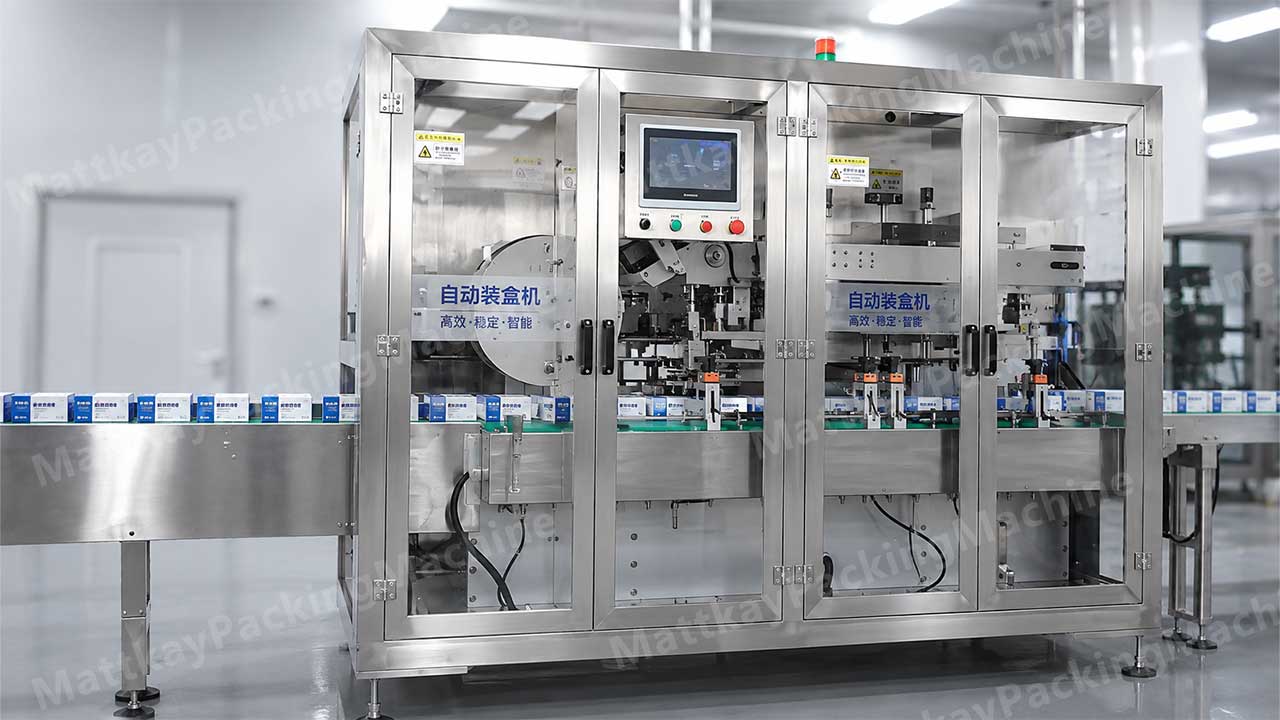

[…] What Determines the Cost of an Automatic Cartoner? […]
The cost of an automatic cartoner depends on factors such as machine speed, carton size range, automation level, product complexity, customization, and optional features. Higher-speed and more advanced models cost more but offer greater efficiency and long-term savings.
[…] Plan the Factory Layout and Installation Requirements […]