REQUEST A QUOTE
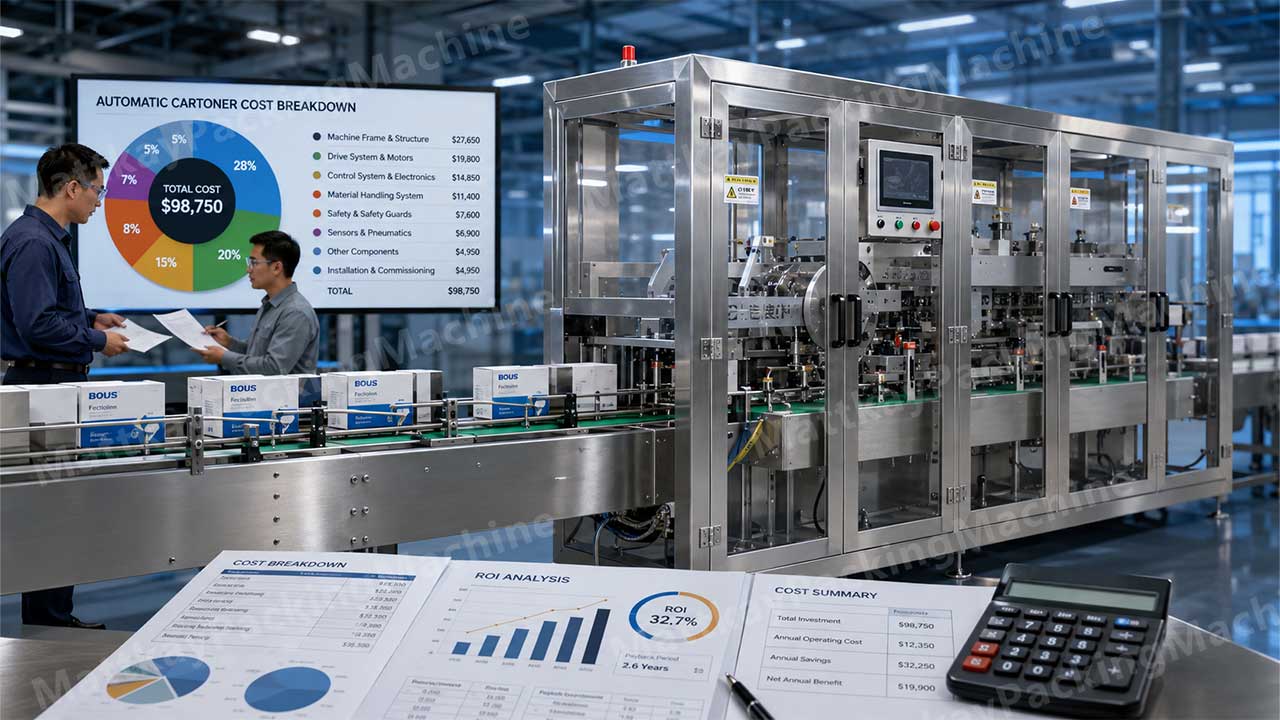
When it comes to automatic cartoners, understanding the cost breakdown is crucial for your manufacturing decisions. You’ll need to consider several factors, from initial purchase prices to ongoing operational expenses. Each cost element can impact your overall efficiency and productivity. But what if you could uncover the hidden costs that often catch manufacturers off guard? Let’s explore how to navigate this pricing landscape effectively.
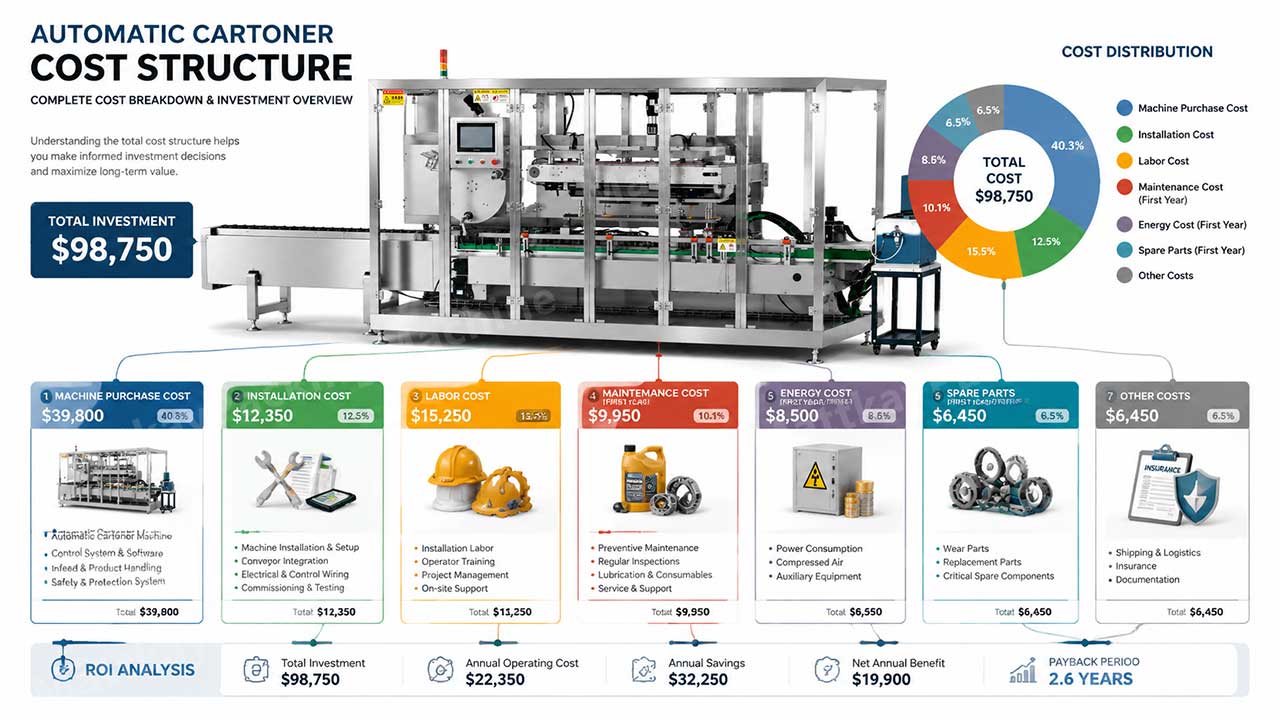
When considering the cost of an automatic cartoner, you'll need to look at several key factors.
The initial purchase price, installation, and setup expenses all play a significant role in your overall investment.
You'll also want to account for ongoing operating and maintenance costs to get a full picture of what you're really committing to. Additionally, the specific customizable folding and sealing devices offered can significantly impact both the price and functionality of the machine.
Several key factors influence the initial purchase cost of an automatic cartoner. First, the type of machine plays a significant role; machines designed for high-speed production or specialized functions typically cost more.
Next, you’ll want to consider the brand reputation and warranty options, as trusted manufacturers usually charge a premium for quality and support.
Materials and build quality are also crucial; stainless steel machines can be pricier but offer durability. Additionally, the automation level affects pricing; fully automated systems usually carry higher costs than semi-automated ones.
Finally, additional features like ease of use, flexibility in packaging sizes, and integration with existing systems can lead to increased costs. Understanding these factors can help you make a more informed purchase decision.
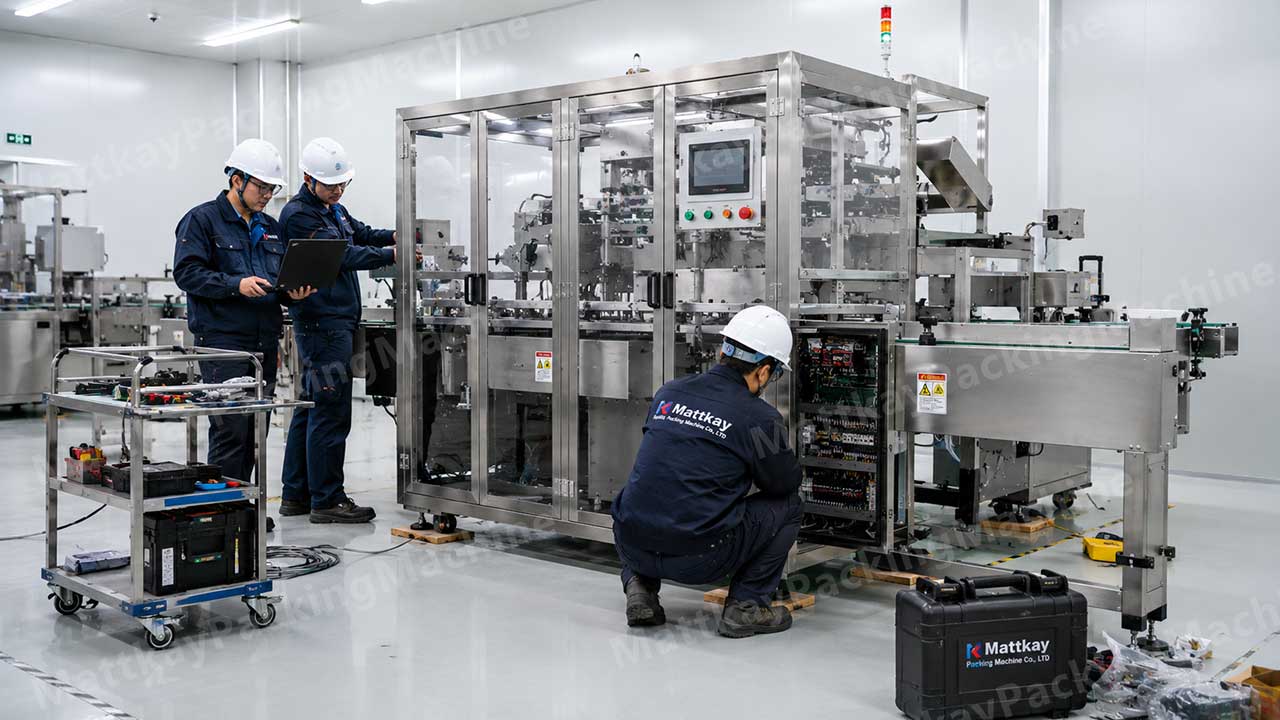
Before diving into installation and setup costs for an automatic cartoner, it’s essential to understand that various factors can influence these expenses.
The complexity of the machine plays a crucial role; more advanced systems typically require less time and expertise to set up. Additionally, the manufacturer's installation requirements—like training requirements for your staff—can add to your costs.
Location matters too; geographical factors can affect labor rates and transportation expenses. If electrical or structural modifications are necessary, those can spike your budget as well.
Finally, any needed software integration adds another layer to consider. Being aware of these elements helps you better plan for what you’ll need to allocate for setup.
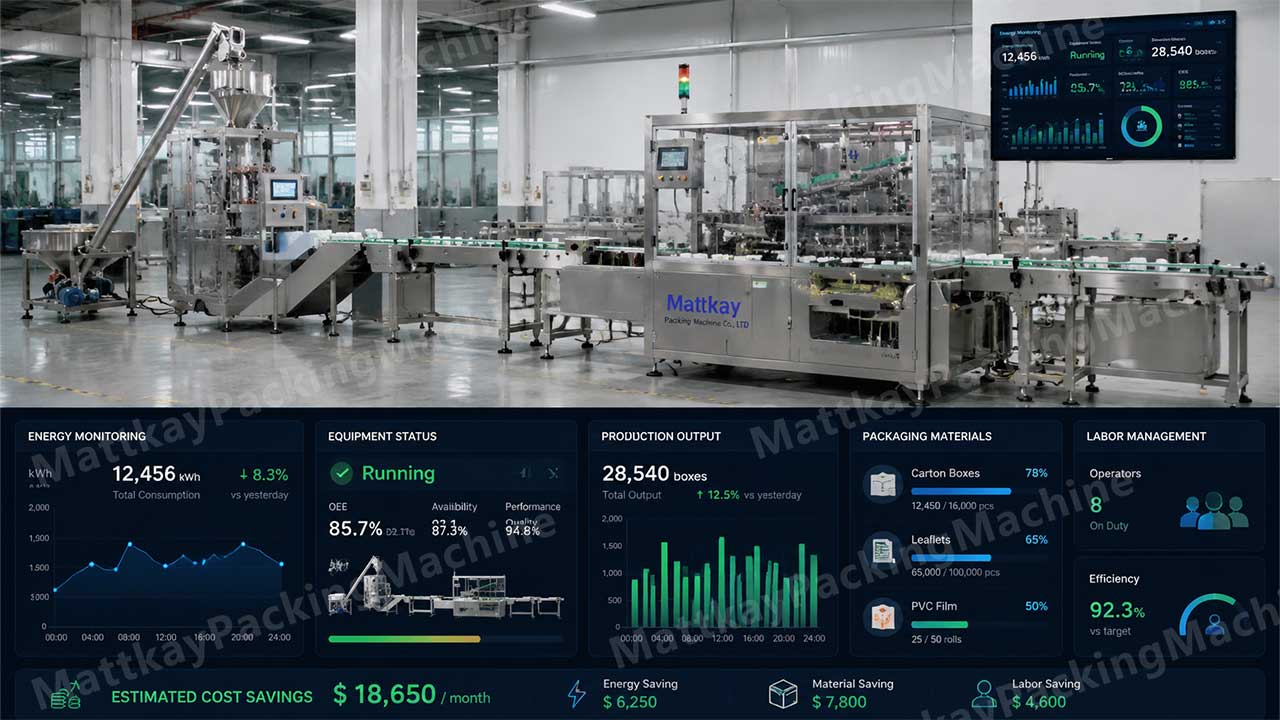
First, the type of packaging materials you use plays a crucial role; higher-quality materials often come at a premium but can enhance efficiency.
Second, consider energy consumption—machines that are more energy-efficient can lead to substantial savings over time.
Labor costs also impact your budget, as automated systems may require fewer operators, reducing overall labor expenses.
Additionally, the speed and output capabilities of your cartoner affect productivity levels and operational costs.
Finally, the complexity of your products and the frequency of changeovers can influence operating efficiency.
Understanding these factors will help you better anticipate your overall costs.
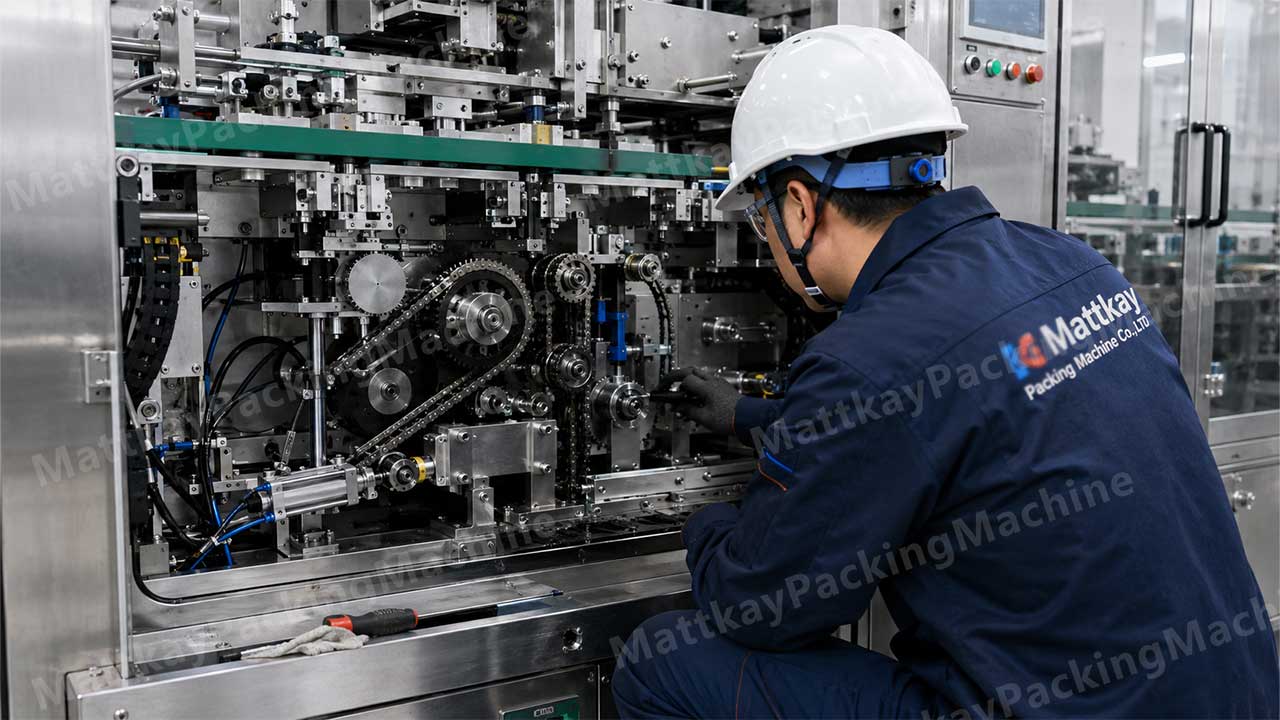
Regular maintenance is crucial to avoiding unexpected breakdowns, so you should factor in routine inspections and parts replacements. Additionally, if specialized technicians are needed for service, those costs can add up quickly.
Keep in mind that a well-maintained cartoner can enhance efficiency and prolong its lifespan, ultimately saving you money in the long run. Be sure to account for both scheduled maintenance and potential repair costs when budgeting for your automatic cartoner.
Understanding the full financial picture of an automatic cartoner goes beyond just the purchase price and maintenance expenses.
You need to consider several hidden costs that can sneak up on you. These may include utility costs for running the machinery, which can add up significantly over time. Spare parts and consumables, like cartons and adhesives, are ongoing expenses you can’t ignore.
Also, think about training costs for your staff to effectively use the new equipment. Finally, account for downtime, which can impact production and ultimately your bottom line.
When you evaluate the ROI of an automatic cartoner, several factors come into play that significantly influence its overall cost. First, consider the initial purchase price of the machine and how it fits into your budget.
You'll want to assess the machine's production speed and efficiency; the faster it operates, the more products you can handle, increasing your profit potential.
Maintenance costs are another crucial factor—regular upkeep can affect longevity and performance.
Also, think about labor savings: automating your cartoning process might reduce the need for manual labor, freeing up resources for other tasks.
Lastly, analyze how the cartoner impacts product quality, as higher quality can lead to increased customer satisfaction and repeat business, ultimately boosting your ROI.
To manage the costs associated with purchasing an automatic cartoner, various factors come into play that affect the overall price.
Focus on your production needs—select a cartoner that matches your output requirements to avoid overspending on unnecessary features.
Consider used or refurbished models; they can provide substantial savings without sacrificing quality.
Evaluate the supplier's warranty and service agreements, as good support can save you money on future repairs.
Negotiate additional costs, such as installation or training fees, which can often be reduced or waived.
Lastly, research different brands and models; competitive pricing can lead to better deals.
The cost of an automatic cartoner varies significantly based on features, functionality, and brand reputation. Low-end cartoners often come with basic functions, limited output speeds, and simpler construction. They’re perfect if you’re on a budget or have modest production needs.
But, these machines usually lack advanced features like robust automation and adaptability to different product sizes.
In contrast, high-end cartoners incorporate state-of-the-art technology, offering enhanced performance, higher durability, and impressive speeds. They often come equipped with customizable options, better control systems, and improved efficiency.
Investing in a high-end model means you’ll have the flexibility to accommodate various products and meet growing production demands, ensuring you’re not stuck with outdated technology as your business scales.
As you consider investing in an automatic cartoner, several key factors will influence the overall cost. First, evaluate the machine's capacity and speed requirements. Higher speeds may come with a premium price tag.
Next, look at the construction quality; more robust materials and advanced engineering often lead to higher costs but can improve longevity and reliability. Don’t forget to consider your product's compatibility with the cartoner, as some machines may need customization for specific shapes or sizes.
Additionally, factor in maintenance and support agreements, as these can add to your total investment. Lastly, investigate training and integration expenses—ensuring your team is prepared to operate the cartoner efficiently can significantly affect long-term productivity.
Understanding what determines the cost of an automatic cartoner can save you from unexpected expenses down the road. Several key factors come into play, including the machine's specifications, production speed, and overall quality.
You’ll want to consider the level of automation you need; higher automation usually means increased costs but can enhance efficiency. Additionally, brand reputation and support services affect pricing—investing in a reputable brand may offer better long-term value.
Maintenance requirements and parts availability also influence total cost over time. Don't forget to factor in installation and training expenses, as they can add to your initial outlay.
When considering an automatic cartoner, several factors influence its cost, so it's crucial to know what to look for.
First, the machine's capacity plays a significant role; higher output rates usually come with a higher price tag.
Secondly, the complexity of the design and automation level can drive costs up.
You'll also want to account for customization options, as tailor-made features often increase the investment.
Additionally, brand reputation and service support should be considered; established manufacturers may charge more but often provide better reliability and assistance.
Lastly, don’t forget maintenance and operational costs, as these can affect your total expenditure over time, impacting your overall budget for an automatic cartoner.
When you choose an automatic cartoner, the type and configuration play a crucial role in its overall cost.
You'll need to consider factors like automation level, production speed, and whether you want any customization or optional features.
Each of these elements impacts not just the base price, but also the machine's efficiency and suitability for your specific needs. Additionally, understanding the fully integrated packaging production lines can help in making an informed decision.
Automation levels in cartoning machines greatly influence their overall efficiency and productivity. When you select a machine, consider the degree of automation that suits your operation.
Fully automated machines handle everything from product infeed to carton sealing, significantly reducing human labor and error. Semi-automated options offer a balance, allowing you to control certain processes while automating others. Manual machines require the most hands-on effort, which can lead to slower output and higher labor costs.
It’s essential to assess your needs and budget, as higher automation often means increased initial investment but can lead to long-term savings. Ultimately, selecting the right automation level aligns with your production goals and capacity for growth.
Selecting the right automation level sets the stage for understanding how production speed is influenced by machine type and configuration. Different machines operate at varying speeds, and your choice will depend on your production goals. For instance, a high-speed intermittent cartoner can handle more products per minute compared to a continuous motion model.
Additionally, the configuration—like the number of lanes—plays a crucial role. Single-lane machines might suit smaller batches, while multi-lane setups ramp up output for high-demand environments.
It’s essential to align your production speed needs with the machine’s capabilities to optimize efficiency and meet demands. Ultimately, understanding these factors ensures you make an informed decision for your manufacturing process.
As you evaluate your cartoning needs, understanding customization requirements will be crucial for ensuring optimal performance. Consider the type of machine that best fits your production processes, whether you're looking for vertical or horizontal configurations. Each machine type serves different packaging strategies, so assess your products carefully.
Next, think about the configuration options you need. Will your product sizes vary, or are they relatively uniform?
Customizable features such as adjustable lanes and feed systems can significantly improve efficiency. It's also essential to determine whether you need additional capabilities, like labeling or coding integration.
When it comes to determining the machine base price for your cartoner, factors like type and configuration play a significant role.
You'll find that the price varies depending on whether you choose a semi-automatic or fully automatic model. Semi-automatic machines often come with a lower base price but may require more manual input.
On the other hand, fully automatic machines tend to have a higher initial cost due to their advanced technology and capabilities.
Additionally, the configuration impacts the base price. A compact machine designed for limited space will generally be less expensive than larger models that handle higher capacities.
Understanding these elements will help you make a more informed decision when evaluating the base price of your cartoner.
Understanding the base price of your cartoner sets the stage for exploring optional features and add-ons that can enhance its functionality. These features can significantly impact your production efficiency and flexibility.
For instance, you might consider a higher-speed configuration or advanced automation capabilities, which reduce labor costs and increase throughput. Also, customization options like in-line labeling or vision systems can ensure quality and compliance.
You could explore different machine sizes to fit your production space or specific configurations tailored to your product types. Investing in these options can lead to greater adaptability for future production needs, ultimately improving your bottom line.
Choosing the right tooling and change parts for your cartoner can make a significant difference in your production efficiency. These components determine how quickly you can switch between products and maintain the quality of packaging. When you select tooling that’s compatible with your specific machine type and configuration, you minimize downtime during changeovers.
Consider the materials and designs of change parts, as they can affect both the speed and the reliability of the production process. Investing in precision-engineered tooling can lead to fewer jams and smoother operation, ultimately saving you time and money.
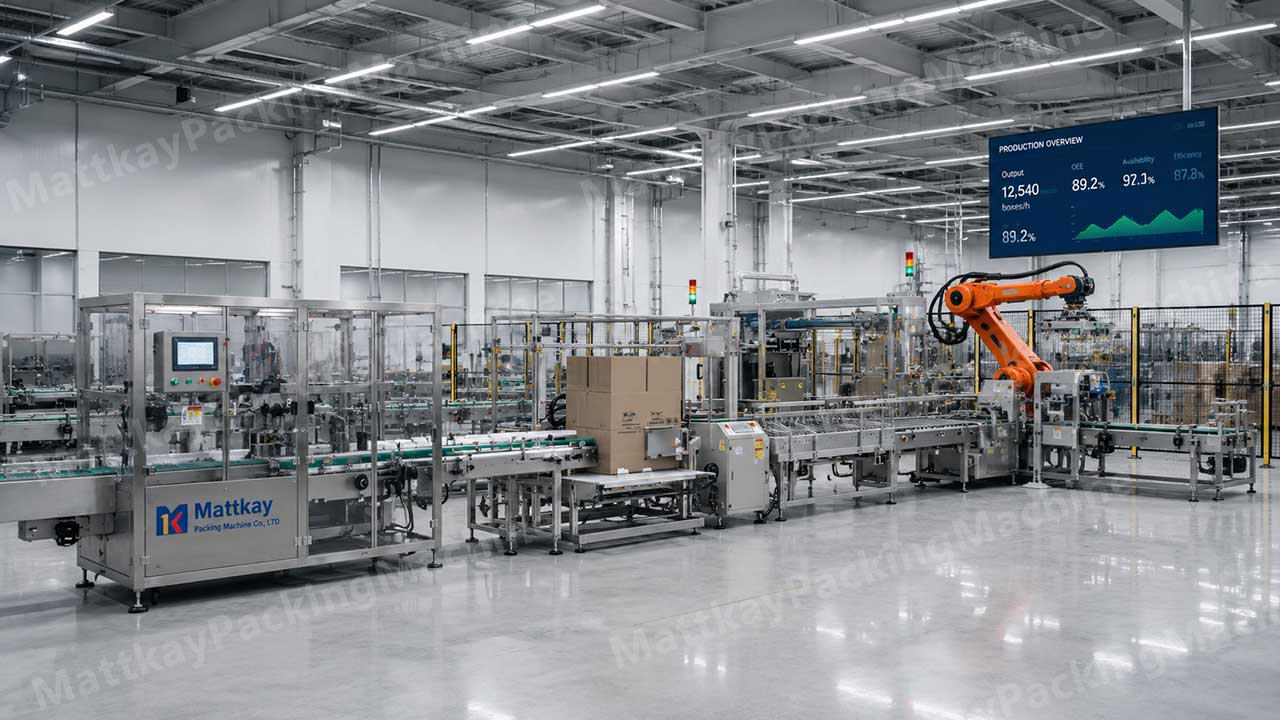
Integrating your cartoner with the overall packaging line can significantly enhance your production capabilities. When choosing machine types and configurations, consider how well they’ll work together.
Opt for a cartoner that easily connects with upstream and downstream equipment, like fillers and case packers. This synergy boosts efficiency, reduces downtime, and simplifies operation. You’ll want to assess the speed and output of each machine to ensure they align with your production goals.
Customizable configurations can also help adapt to different product sizes and designs, making transitions smoother.
Lastly, incorporating automation systems can streamline communication between machines, helping to maintain consistent quality and minimizing errors. This strategic integration leads to a more efficient and responsive packaging process.
When determining the right machine type and configuration for shipping and logistics, consider how each component impacts overall efficiency and cost. Your selection influences the speed of cartoning, the layout of your production line, and how easily the machine fits into your existing workflow.
For instance, opting for a compact model can save space and reduce shipping costs, while a high-capacity machine may streamline your operations.
Additionally, look at features like adjustable settings for various box sizes and materials. These can enhance flexibility, which is vital when adapting to fluctuating order demands.
Ultimately, aligning your machine choice with your shipping and logistical needs ensures smooth operations and helps optimize overall cost-effectiveness.
With shipping and logistics clearly defined, it's important to focus on the specifics of installation and commissioning for your automatic cartoner. The type of machine you choose will greatly influence both the installation process and the time required for commissioning.
For instance, a compact model may need less floor space and simpler setup compared to larger, more complex systems.
Make sure you've got all necessary tools and resources on hand, as this can expedite the installation.
Additionally, precise configuration according to your production requirements is essential for optimal performance. Some models may come with customizable options, so review these closely to ensure your cartoner operates efficiently right from the start.
To ensure your automatic cartoner operates smoothly, effective operator training tailored to the machine type and configuration is essential. Each machine varies in design, features, and complexities, so understanding its specific functionalities will empower your operators.
Start with an in-depth introduction to the machine's parts and its overall workflow. Provide hands-on training to familiarize them with the operation, settings, and troubleshooting processes. Encourage them to practice under supervision until they're comfortable managing the equipment independently.
Regular refreshers can help keep skills sharp and ensure your team stays updated on any new technology or procedures. Ultimately, well-trained operators improve efficiency and reduce downtime, impacting your production goals positively.
Invest in training to maximize your cartoner's potential.
Understanding labor costs is crucial for optimizing your automatic cartoner's efficiency. The machine type and configuration significantly influence these costs. For instance, high-speed models might require fewer operators, while more complex systems could necessitate specialized technicians for maintenance. Additionally, automated features reduce manual intervention, leading to lower labor expenses overall.
When selecting a machine, consider how its configuration impacts your workforce. A compact cartoner may fit easily into tight spaces but could require more frequent operator interactions, affecting those labor costs.
It’s also essential to factor in the training time needed for staff to effectively operate new machines, as this can further influence your labor budget. Careful planning ensures you maximize productivity while managing expenses effectively.
Selecting the right automatic cartoner also impacts energy consumption significantly. Different machine types and configurations affect how much energy your operation uses. For instance, high-speed cartoners often consume more energy, but they can boost output efficiency, offsetting costs over time.
You’ll want to consider the production volume and the energy requirements of each type. Additionally, look into machines that come with energy-saving features or options to run in eco-mode. These can help reduce your overall consumption without compromising performance.
Don’t forget to factor in the energy costs associated with related equipment, such as conveyors and printers, as they contribute to your total energy bill. Choosing wisely here can lead to significant savings and a smaller carbon footprint.
Routine maintenance plays a vital role in the longevity and efficiency of your automatic cartoner, especially when considering the machine type and configuration.
Depending on the specific model, routine checks can differ greatly. For some machines, daily inspections of belts and sensors might be essential, while others may require weekly lubrication of moving parts.
Understanding your cartoner's design helps you determine the right maintenance schedule to avoid unexpected downtimes and costly repairs. Keeping an eye on wear and tear can also prevent more significant issues down the line.
Make sure to consult the manufacturer’s manual for specific guidelines tailored to your machine type. Staying proactive with maintenance ensures your operations run smoothly and efficiently, aiding overall productivity.
When it comes to spare parts replacement for your automatic cartoner, the machine type and configuration play a crucial role. Different cartoners have varying components and specifications, which means that replacement parts won't be universally applicable.
You'll want to keep an inventory specific to your machine model, including vital parts such as belts, gears, and sensors. It’s essential to source these components from reliable suppliers to ensure compatibility and performance.
Regularly assessing wear and tear on parts specific to your machine can help you anticipate replacements before issues arise, minimizing downtime.
Don't overlook the importance of having the right spare parts on hand, as it can significantly affect your production efficiency and overall operational costs.
Understanding the technical support needed for your automatic cartoner hinges on its specific machine type and configuration. Different models come with varying complexities and features, affecting how you’ll access support.
If you’re using a high-speed machine, for instance, you’ll likely require in-depth assistance and quicker response times for any issues.
Additionally, specialized configurations may necessitate tailored support, ensuring you get advice from experts familiar with your specific setup.
It's crucial to assess whether your supplier offers comprehensive support, including remote troubleshooting, on-site service, or training.
Downtime can be a costly burden, especially when it comes to automatic carton machines. When your machine's type and configuration aren't optimized for your production needs, you might experience unnecessary delays.
For instance, a high-speed machine designed for large runs can falter when faced with frequent size changes or slower products. These interruptions not only waste labor hours but can also lead to lost sales and damaged reputation.
Configurations that aren't user-friendly can take longer to troubleshoot, increasing downtime further. Choosing the right machine tailored to your specific operational requirements helps minimize these costs significantly.
Prioritize compatibility and efficiency, and you’ll reduce downtime, keeping your production line running smoothly and profitably.
Even with a well-optimized machine, the learning curve associated with different types and configurations can impact your operational efficiency. Each cartoner design has unique features that require specific training and adaptation.
For instance, a high-speed cartoner might necessitate a steeper learning curve due to its complexity compared to a simpler model.
As your team acclimates to the new equipment, you may experience initial delays and mistakes, which can lead to increased production time and costs. Investing in proper training programs for your operators can help mitigate these learning curve costs.
Ultimately, understanding the intricacies of your chosen machine type and configuration is crucial for minimizing downtime and maximizing productivity in your facility.
When selecting an automatic cartoner, you need to ensure its compatibility with your existing production lines, as improper integration can lead to significant operational hiccups.
Pay close attention to the machine type and configuration. Verify that the cartoner fits seamlessly with your current equipment like fillers, conveyers, or labelers.
Also, consider the size and shape of the products and cartons you'll be using, as this will affect the cartoner's capability.
Don't overlook the software compatibility; your new machine should integrate smoothly with your existing systems for monitoring and controlling operations.
Addressing these compatibility issues upfront saves you time, money, and frustration down the line, ensuring an efficient production process.
Choose wisely to keep your operations running smoothly.
Choosing the right machine type and configuration for your automatic cartoner can lead to substantial cost savings. By selecting a model that aligns with your production needs, you minimize unnecessary expenses.
For instance, a high-speed machine designed for large volumes might reduce labor costs and improve efficiency, while a flexible model can adapt to various product sizes, saving you from needing multiple machines.
Additionally, consider configurations that enhance automation; integrating features like automatic feed systems and built-in quality checks can reduce waste and downtime.
Ultimately, investing in the right machine can lower overall operational costs, streamline processes, and boost your bottom line. By analyzing your specific requirements, you can achieve significant financial benefits in the long run.
The payback period for your automatic cartoner investment significantly depends on the machine type and configuration you choose. Different machines vary in speed, capability, and efficiency, all of which affect your overall costs and returns.
For instance, a high-speed cartoner might've a higher upfront price but can generate savings by reducing labor costs and increasing production volume. Conversely, a simpler, lower-cost machine may take longer to achieve its payback period due to lower output.
Additionally, configurations that allow for quick changeovers or flexible formats might enhance productivity and further shorten your payback timeline.
Evaluating your specific manufacturing needs will help you select the right machine that balances initial investment and operational efficiency for optimal returns.
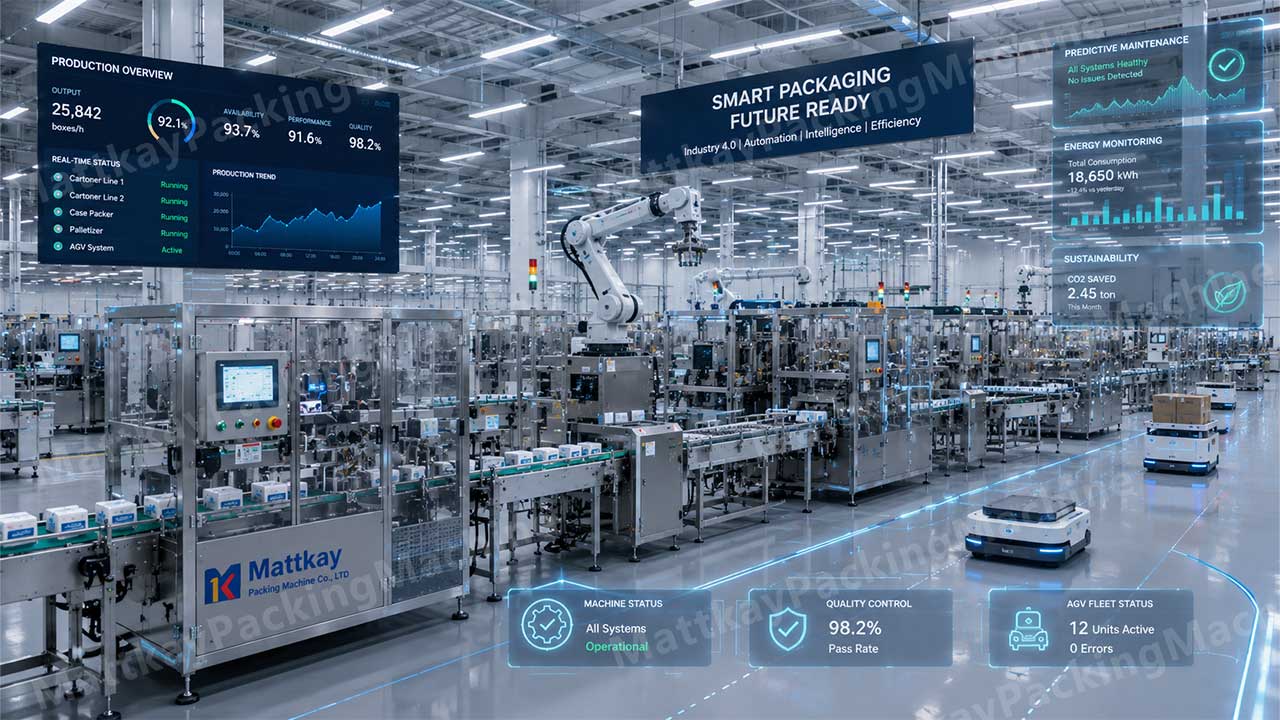
Investing in an automatic cartoner not only impacts your payback period but also offers long-term benefits that can enhance your production capabilities. With increased efficiency, you'll significantly reduce labor costs and minimize human errors, leading to higher accuracy in packaging.
Moreover, these machines often have lower maintenance requirements, so you’ll enjoy fewer downtime interruptions. As production volume grows, scaling up becomes easier with an automatic cartoner, allowing you to meet demand without extensive reconfiguration.
Enhanced speed and flexibility also enable you to explore diverse packaging options, adapting quickly to market changes. Ultimately, this investment can lead to better overall productivity, ensuring your operations remain competitive while maintaining a strong return on investment over time.
What configuration best suits your production needs? When considering automatic cartoners, focus on a few key factors.
First, evaluate your production volume and packaging design. Low-volume operations might opt for semi-automatic models, while high-volume lines benefit from fully automatic configurations.
Next, think about the carton size and structure. Machines vary in their adaptability to different carton shapes; choosing one that aligns with your products is crucial.
Additionally, consider the speed and efficiency of the machine to keep up with your production pace.
Finally, assess the ease of integration with your existing systems. Selecting the right configuration will enhance productivity and ensure smooth operation in your manufacturing process.
Choosing a reliable manufacturer is crucial for securing the right machine type and configuration for your automatic cartoner. When you work with a trustworthy supplier, you can expect high-quality machines tailored to your specific needs. They’ll help determine the best configuration based on your production line, product type, and packaging requirements.
A good manufacturer will also provide comprehensive support and guidance throughout the purchasing process, ensuring you make informed decisions. This reduces the risk of costly errors and ensures your investment pays off.
Their experience ensures that the machine you choose operates efficiently and meets industry standards. So, prioritize collaboration with manufacturers who've a proven track record in the industry to guarantee your success.
When selecting a machine type and configuration for your automatic cartoner, it's vital to consider future needs.
You want to ensure that the equipment can accommodate changes in production volume, product variety, and packaging styles. Look for machines that offer flexibility in settings to handle diverse products without requiring extensive modifications.
Opt for scalable solutions that allow easy upgrades or expansions as your business grows. Keep in mind your production area and whether you might need to rearrange or add equipment down the line.
Investing in a machine with adjustable features can save you time and money while supporting your long-term growth objectives.
Planning ahead now means smoother operations and better ROI in the future.
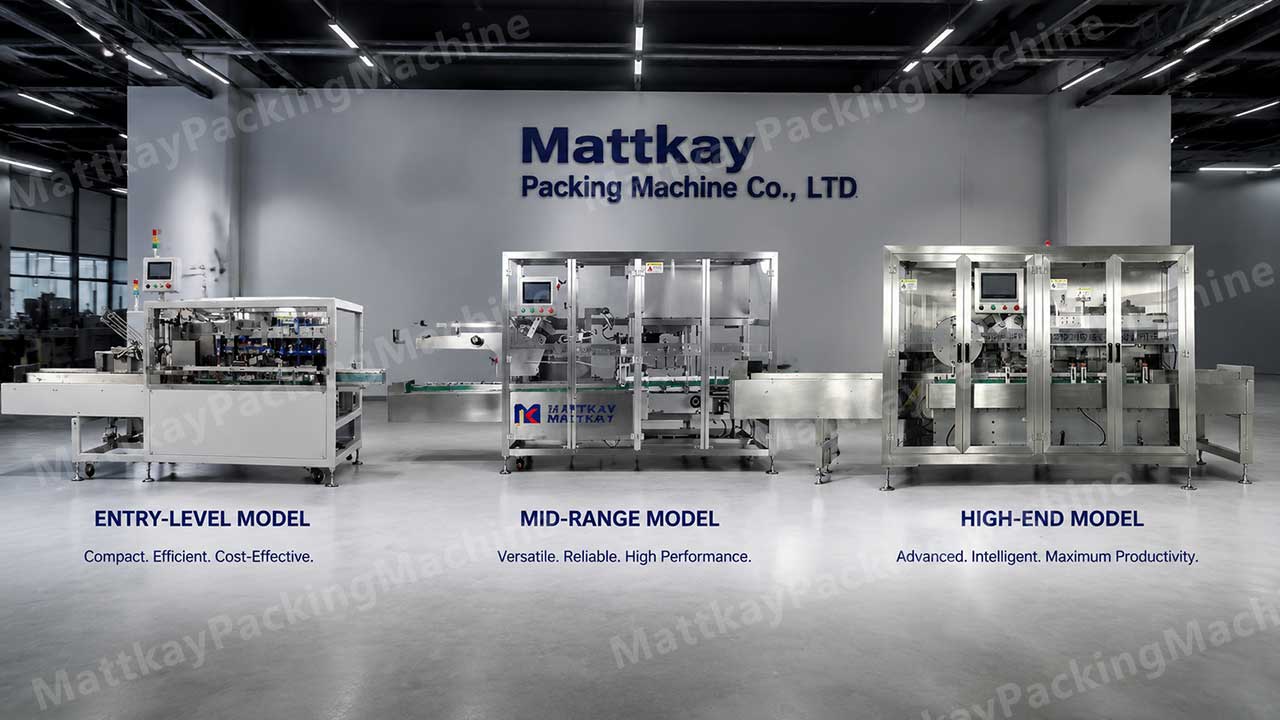
How much should you expect to invest in an automatic cartoner? The cost typically ranges from $30,000 to $150,000, depending on the machine type and configuration you choose.
For entry-level models, you might spend around $30,000 to $50,000, suitable for small to mid-sized operations. Mid-range options usually fall between $50,000 and $100,000, offering increased speed and versatility.
High-end systems can exceed $150,000 and are designed for large-scale production with advanced features. Additional expenses like installation, training, and ongoing maintenance can also impact your total investment.
To ensure you select the right cartoner for your needs, evaluate your production volume and specific requirements carefully before making a decision.
When considering automatic cartoners, the biggest cost factor often comes down to the machine's quality and capabilities.
You might wonder if investing in a high-end cartoner is truly worth it, especially when trying to reduce total costs.
Evaluating your specific needs can help you make a more informed decision.
Is a high-end cartoner truly worth the investment? The answer often depends on your specific production needs and goals. High-end cartoners generally offer better durability, speed, and precision, which can significantly boost your overall efficiency.
With advanced technology, these machines minimize downtime and reduce labor costs, potentially leading to a higher return on investment over time. Moreover, they can handle various packaging styles, adapting to market demands quickly.
While the upfront cost is higher, consider the long-term benefits, including fewer maintenance issues and improved product quality. These factors usually outweigh the initial expenditure.
If your production volume justifies the expense and you seek reliability and flexibility, investing in a high-end cartoner is likely a smart move.
While evaluating ways to reduce total costs in cartoning, focusing on the biggest cost factor—operational efficiency—can make a significant difference.
Streamlining your processes helps minimize waste and downtime, directly impacting your bottom line. Invest in training your staff to operate machinery optimally, so they can quickly identify and solve issues that arise.
Regular maintenance of your equipment also prevents unexpected breakdowns and costly repairs. Additionally, consider optimizing your supply chain by sourcing materials in bulk or negotiating better rates with suppliers.
In conclusion, understanding the costs associated with automatic cartoners can help you make smarter investment decisions. By considering factors like purchase price, installation, operating, and maintenance costs, you can identify where to save and boost your ROI. Don’t forget to evaluate both initial expenses and hidden costs like training and downtime. Doing so will ensure you choose the right cartoner for your needs, balancing efficiency and budget for optimal productivity.