REQUEST A QUOTE
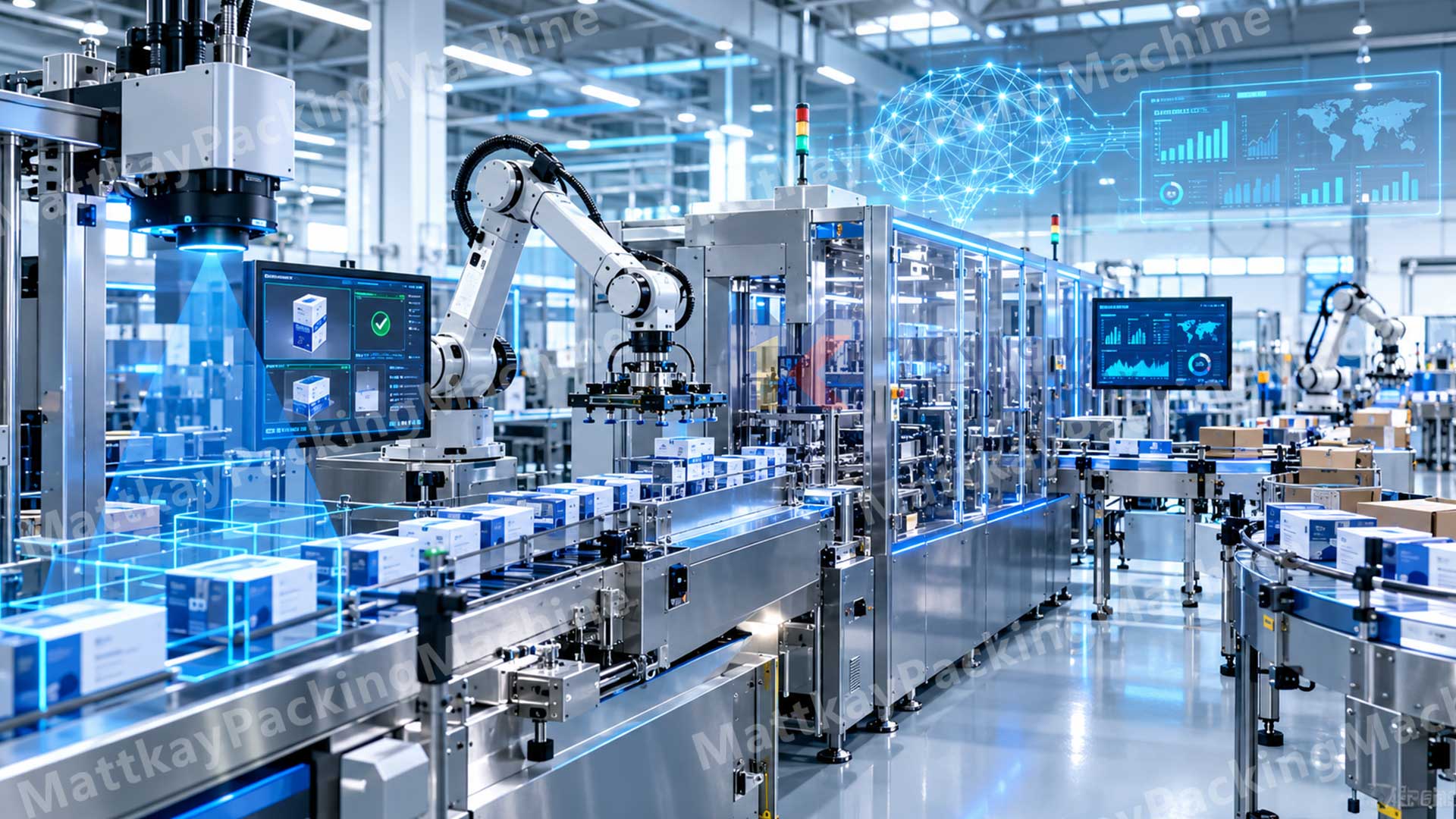
Artificial intelligence (AI) is becoming an important topic in industrial packaging. From machine vision to predictive maintenance, AI can help manufacturers identify quality issues, analyze machine data, and improve production decisions.
However, AI is not the same as conventional automation. For manufacturers investing in packaging equipment, understanding the difference is the first step toward choosing the right solution.
AI in packaging machinery refers to technologies that analyze data, recognize patterns, or support decisions during packaging operations. Depending on the application, these technologies may work alongside sensors, cameras, programmable logic controllers (PLCs), and manufacturing software.
Traditional automation follows predefined rules and programmed sequences. AI systems can analyze patterns in data and help identify conditions that may be difficult to detect through fixed rules alone.
For example, a sensor can detect whether a carton is present. An AI-enabled vision system may be trained to identify more complex visual defects. The appropriate solution depends on the inspection task, production environment, and required accuracy.
AI-enabled vision systems can help inspect product orientation, packaging appearance, label placement, and certain visible defects. In a cartoning line, vision inspection may also be used to verify product presence or packaging information when the appropriate camera and software are integrated.
Predictive maintenance uses equipment data to help identify signs of possible component deterioration before a failure occurs. Depending on the system, data such as temperature, vibration, or motor performance may support maintenance decisions.
AI does not eliminate breakdowns, and useful predictions require reliable data and appropriate validation.
AI-based analytics can help production teams identify recurring stoppages, compare operating patterns, and investigate potential bottlenecks across packaging operations.
The value depends on whether machine data is available, consistent, and connected to the relevant production process.
AI-supported systems may help operators find technical information, interpret alarm histories, or follow troubleshooting procedures. Clear documentation and verified machine instructions remain essential, especially when safety is involved.
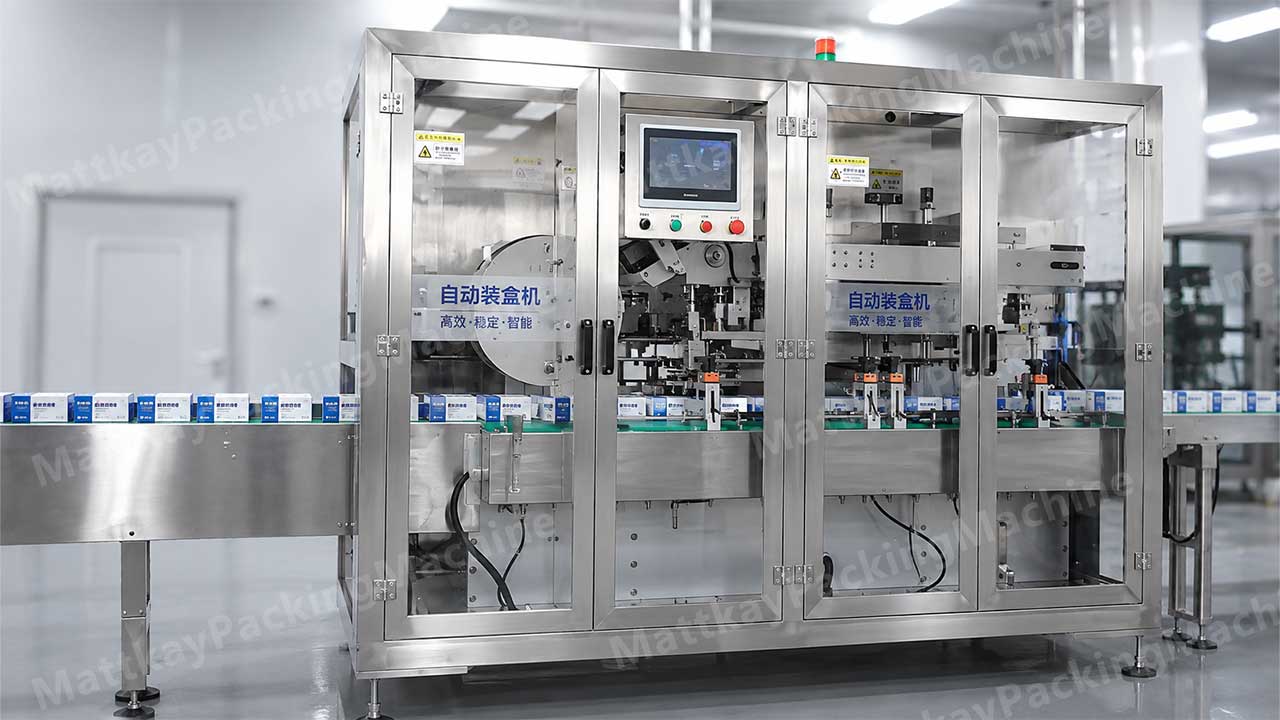
An automatic cartoning machine typically performs operations such as carton opening, product loading, and carton closing. These operations are generally controlled by mechanical systems, sensors, and programmed automation.
AI can complement this foundation where a specific application justifies it.
A suitable vision system may check selected product or carton conditions before the packaging process continues. Inspection requirements should be defined in advance, including which defects must be detected and how rejected products are handled.
Production counters, alarms, and operating records can help teams understand machine performance. With suitable data collection and analysis, advanced systems may provide additional insights into recurring stoppages or unusual operating patterns.
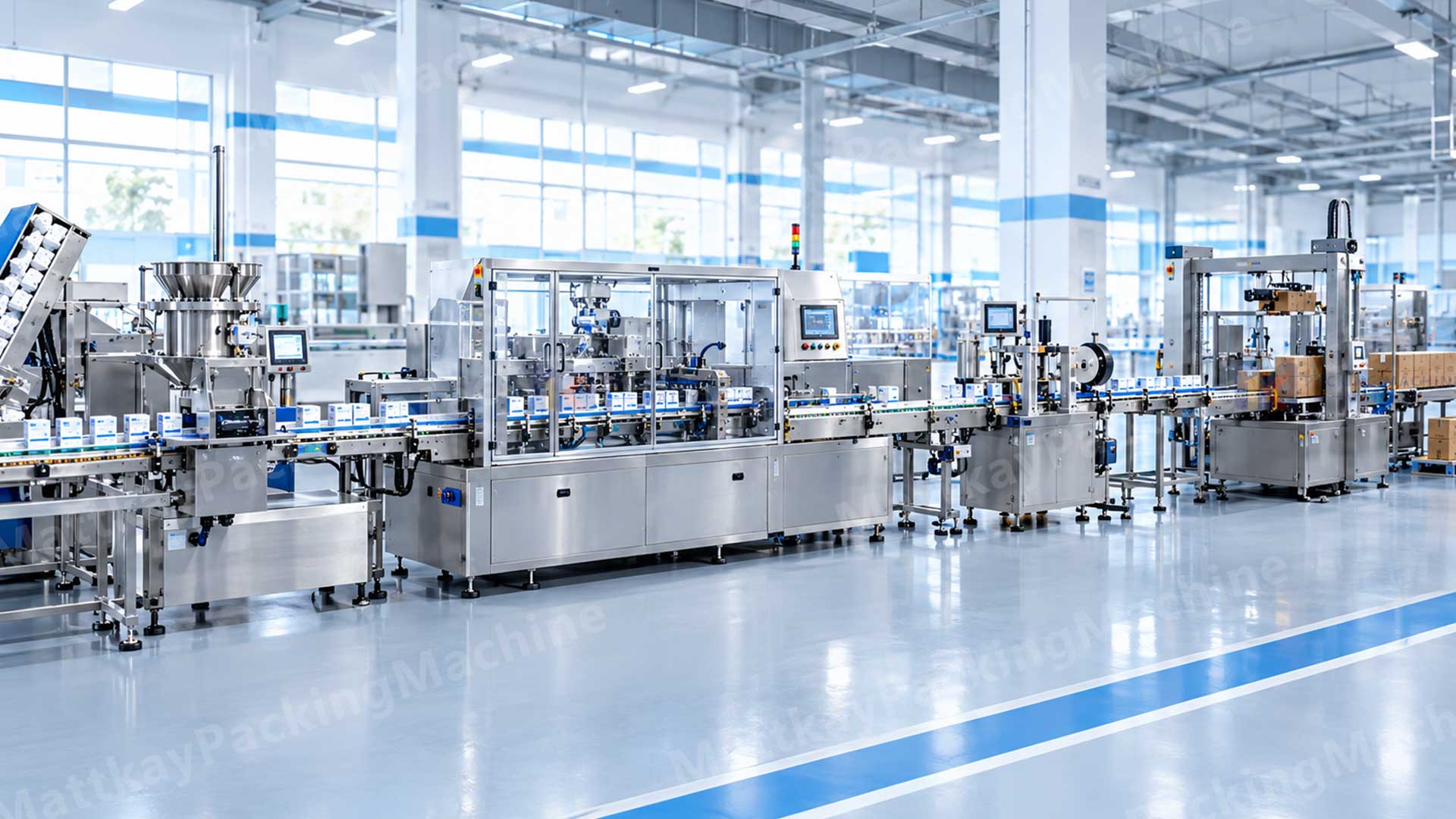
A cartoning machine may operate independently or connect with upstream feeding equipment and downstream labeling or case-packing equipment. The integration design should define communication signals, production speed, rejection handling, and fault responses.
Explore Mattkay's food cartoning machine range for packaging applications involving products such as snacks and other food items.
AI can support better inspection, maintenance planning, and production analysis, but the results depend on the application and implementation.
AI projects may require additional cameras, sensors, software, data preparation, and system integration. False alarms, inconsistent data, cybersecurity concerns, and operator training should also be considered.
For many factories, improving basic machine reliability, feeding stability, and process control should come before investing in advanced AI functions.
Before choosing an AI-enabled packaging solution, manufacturers should define the problem they want to solve.
Decide whether the priority is visual inspection, unplanned downtime, production analysis, or operator support.
Ask whether cameras, sensors, data collection software, or external systems are required. Confirm which functions are included in the machine and which require additional equipment.
Provide representative products, cartons, and defect samples where applicable. Test the proposed function under realistic operating conditions and agree on measurable acceptance criteria.
Confirm compatibility with existing equipment, data access, software updates, operator training, and after-sales support.
Learn more about Mattkay’s packaging automation capabilities, including automatic cartoning machines and customized packaging line solutions.
Industry research continues to identify machine vision, predictive maintenance, operator knowledge support, and data transparency as important areas of AI development in packaging equipment. Adoption is not uniform, and manufacturers should evaluate each technology against a specific operational need.
For most factories, the practical goal is not to add AI simply because it is available. It is to improve packaging quality, equipment reliability, and production visibility with a solution that can be tested and maintained.
AI may support visual inspection, predictive maintenance, production data analysis, and operator troubleshooting, depending on the equipment and software.
No. Many cartoning applications can be handled effectively with conventional mechanical automation, sensors, and PLC controls. AI is an optional addition when it solves a defined problem.
In some cases, yes. The feasibility depends on available machine data, control-system compatibility, installation space, and the required inspection or analysis function.
Start with one clearly defined problem, establish measurable success criteria, review data and hardware requirements, and test the solution before expanding it across the production line.
Choosing packaging equipment starts with understanding the product, carton specifications, required output, and production-line conditions. Mattkay provides automatic cartoning machines and customized packaging solutions for manufacturers across multiple industries.
Visit the Mattkay official websiteto explore available equipment or discuss your packaging requirements with the team.