
REQUEST A QUOTE
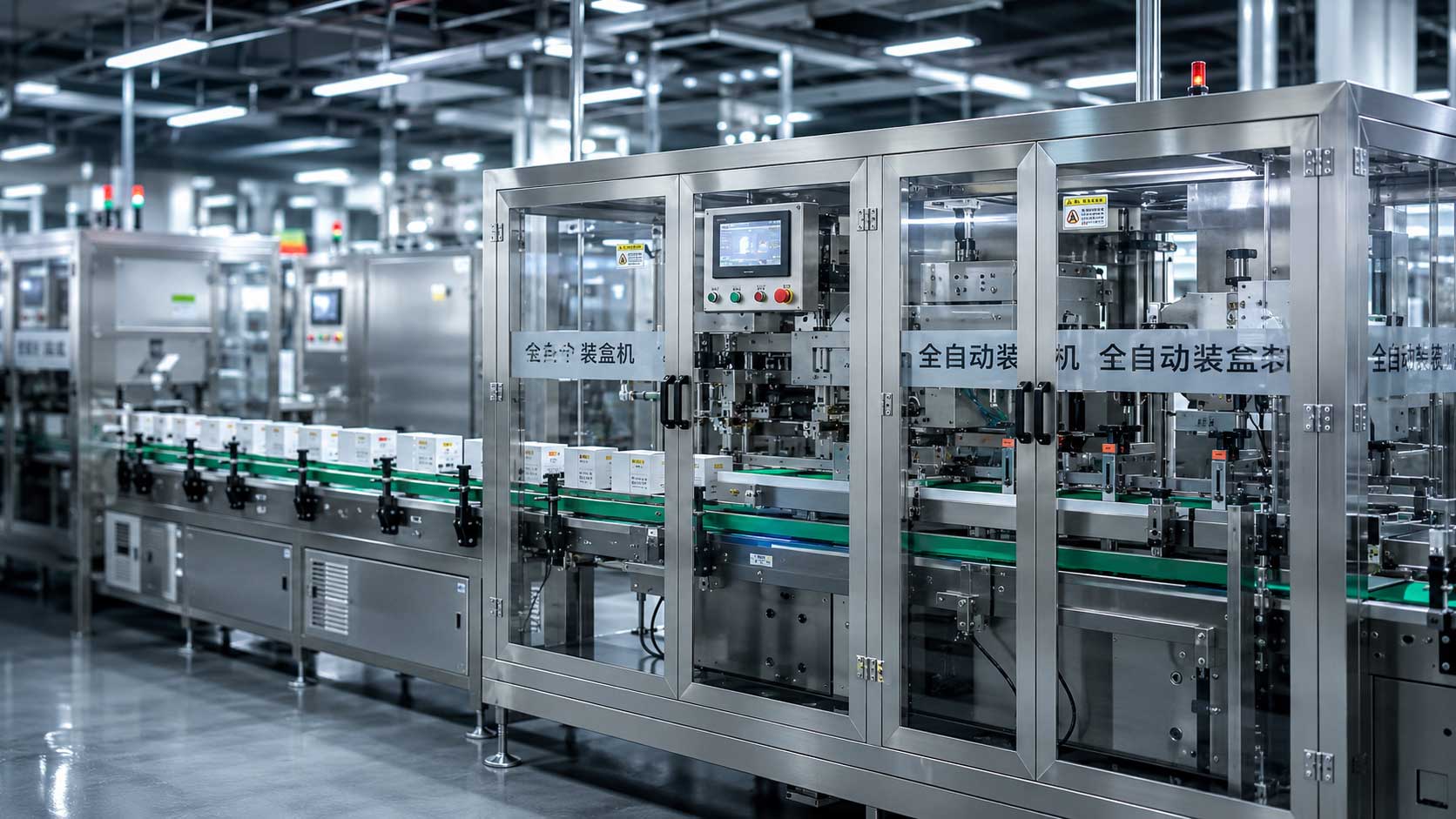
When you’re ready to invest in a cartoning machine, it’s essential to understand a few key components to make an informed decision.
First, consider the machine's speed and capacity. You’ll want a model that aligns with your production requirements.
Next, think about the types of cartons you'll be using—different machines handle various styles.
Also, evaluate the machine's ease of operation and maintenance; a user-friendly design can increase efficiency.
Don’t overlook the machine's compatibility with your existing production line; it should integrate smoothly.
Lastly, factor in the cost of the machine and potential additional expenses, like installation and training.
Additionally, exploring options like affordable horizontal solutions can help ensure you find a cartoning machine that fits within your budget and meets your production needs effectively.
Doing thorough research now will help you choose a cartoning machine that meets your needs effectively.
A cartoning machine is essential for efficiently packing products into cartons, making your packaging process smoother and faster. Understanding the various types of cartoning machines and their specifications is crucial for making an informed purchase. You'll also want to consider key factors like cost and selecting the right supplier to meet your specific needs. Additionally, selecting a supplier with a focus on services that enhance the purchasing experience can significantly impact the efficiency and reliability of your operations.
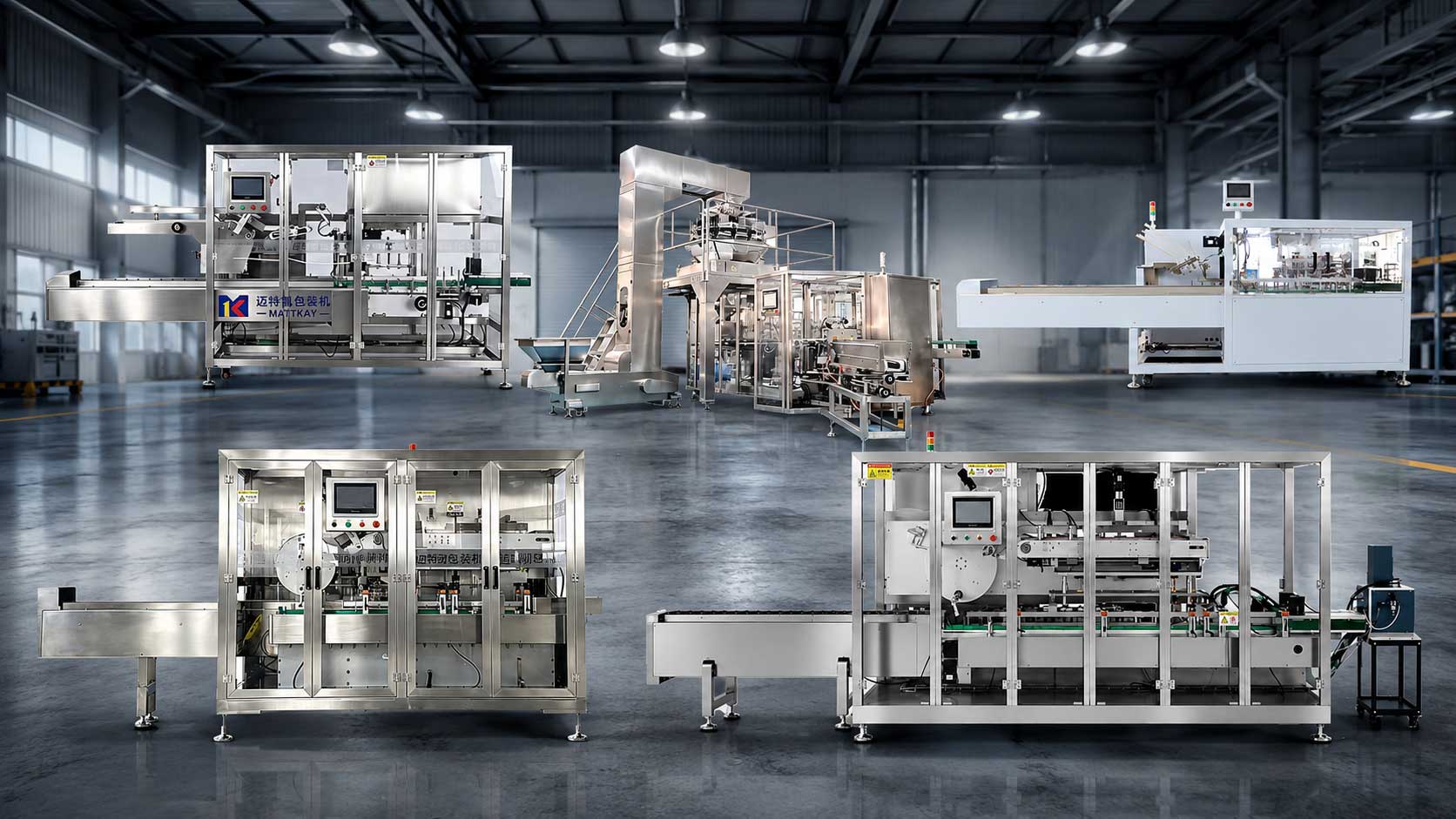
Understanding the different types of cartoning machines is crucial for optimizing your packaging process, especially if you're looking to enhance efficiency and reliability.
There are several main types to consider. For instance, vertical cartoning machines are great for smaller products and typically require less floor space. Horizontal machines, on the other hand, handle larger items and can accommodate various shapes.
You might also encounter intermittent or continuous motion machines—intermittent ones pause to load cartons, while continuous machines keep moving, increasing speed.
Additionally, some machines are designed for specific industries, such as food or pharmaceuticals, ensuring compliance with regulations. Identifying which type suits your needs can streamline your operations and improve your overall productivity.
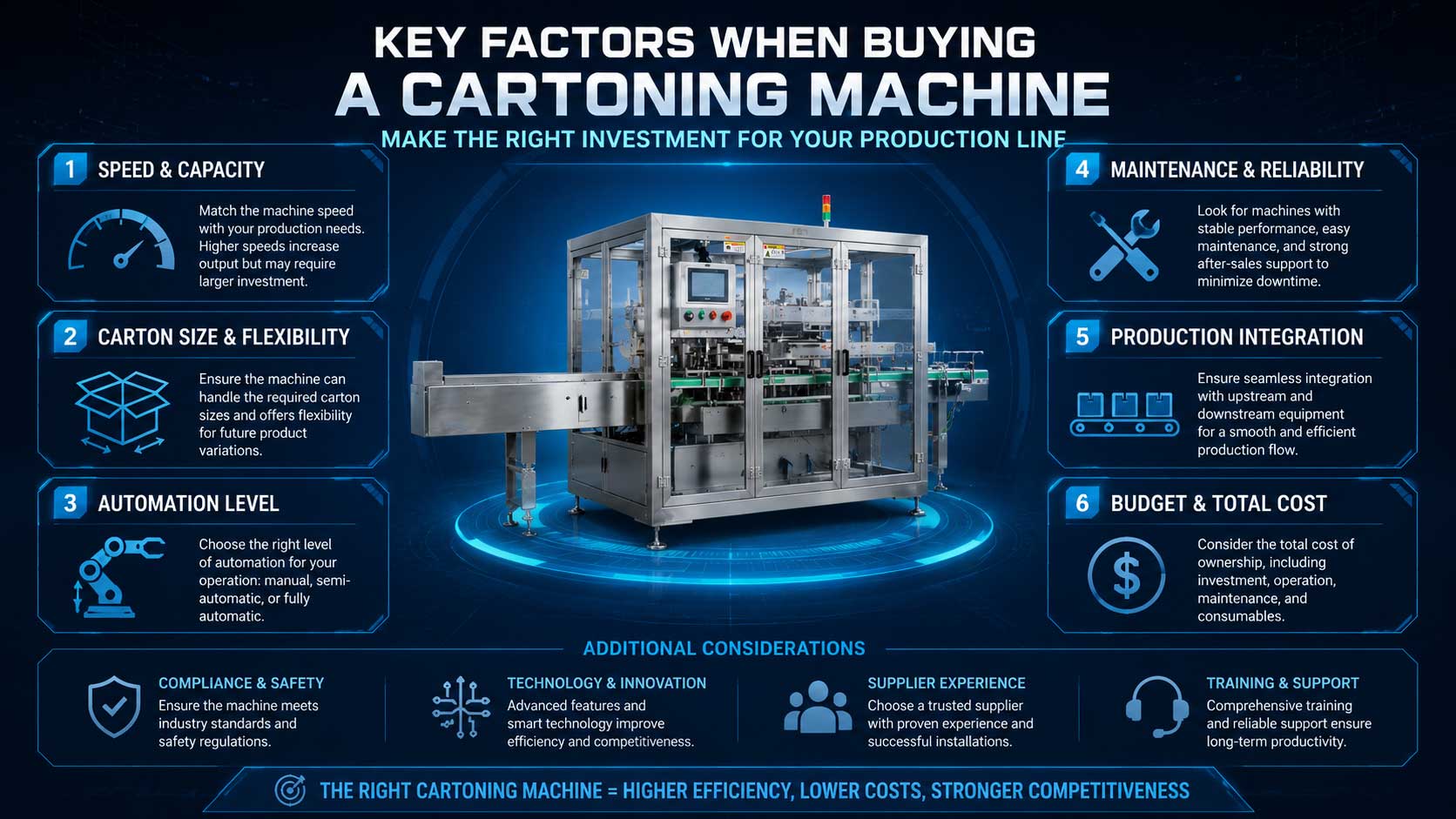
Purchasing your first cartoning machine can feel overwhelming, but focusing on key factors can simplify the decision-making process. First, consider your production volume. Knowing how many boxes you need to produce per hour will help you choose the right model.
Next, think about the types of products you’ll be packaging. Different machines cater to different shapes and sizes. Don’t forget to evaluate the machine's ease of use and maintenance. A user-friendly interface saves time and reduces training needs.
Additionally, check for production flexibility; a machine that can adapt to varying sizes and formats is invaluable. Finally, compare warranties and after-sales support to ensure you're making a wise investment for the long term.
When diving into the world of packaging, grasping what a cartoning machine is and its significance is crucial for any business. Essentially, a cartoning machine automates the process of forming, filling, and closing cartons, enhancing efficiency.
You'll find that these machines save time and labor costs, making your operations smoother.
Understanding specifications like speed, size, and automation level helps you choose the right machine for your needs. For instance, some models handle various carton styles, ensuring versatility for different products.
Additionally, consider features like ease of maintenance and compatibility with existing equipment. Overall, knowing these aspects ensures you invest wisely in a cartoning machine that supports your production goals and enhances your packaging process.
How much should you expect to pay for a cartoning machine? The cost can vary widely depending on factors like capacity, automation level, and brand. Generally, you might see prices ranging from $10,000 for entry-level models to $100,000 or more for high-end machines designed for larger operations.
Keep in mind that a higher price often means more advanced features and better efficiency, which can save you money in the long run. Additionally, don’t forget to factor in maintenance costs and potential upgrades.
It’s crucial to balance your budget with your production needs to ensure you invest wisely. Researching different options can help you find a machine that fits both your budget and your requirements.
Why is choosing the right supplier so crucial for your cartoning machine needs? The supplier you select can significantly impact your productivity and efficiency.
An experienced supplier offers reliable machines that meet your specific requirements, ensuring smooth operations. They also provide essential support, including installation, training, and ongoing maintenance, which can prevent costly downtime.
Additionally, a reputable supplier often offers warranty options and access to replacement parts, safeguarding your investment. They should be knowledgeable about the latest technology trends, helping you make informed decisions that enhance your production line.
Understanding what a cartoning machine is and its significance in your production process is essential, especially for beginners.
One common mistake is neglecting to assess your production needs before buying. You might get a machine too large or small for your operation.
Another pitfall is overlooking the importance of automation features; manual processes can lead to inefficiencies.
Don’t forget to research the machine’s compatibility with your packaging materials, either. You could waste a lot of time and money on a machine that doesn't meet your specific requirements.
Lastly, ignoring customer support options can be detrimental. Solid support is vital for addressing issues quickly, so make sure your chosen supplier offers reliable assistance when you need it.
When you're ready to integrate a cartoning machine into your production line, consider the critical aspects of installation, training, and maintenance. Proper installation ensures the machine operates efficiently and safely, so enlist a professional for setup if needed.
Once it’s up and running, training your staff is vital. Make sure everyone understands the machine's functions, safety protocols, and troubleshooting techniques. Investing in comprehensive training can significantly reduce operational hiccups and downtime.
Lastly, don’t overlook maintenance. Regular checks and timely servicing extend the lifespan of your machine and keep it running smoothly. Establish a maintenance schedule to prevent issues and ensure consistent performance.
As the packaging industry evolves, cartoning machines are increasingly essential for meeting modern production demands. You can expect to see innovative technologies that enhance efficiency, like smart automation and AI integration, allowing for real-time adjustments based on production needs.
Moreover, sustainability is becoming a significant focus, with machines designed for eco-friendly materials and reduced waste generation. Flexibility in handling diverse packaging types will also be a key trend, enabling you to cater to various market niches without extensive reconfiguration.
Additionally, advancements in user interfaces will simplify operation and monitoring, making training quicker and easier. By staying informed about these trends, you’ll be better prepared to invest in a cartoning machine that aligns with your business goals.
Have you considered what a cartoning machine really is and why it’s crucial for your production line? At its core, a cartoning machine automates the packing of products into cartons, streamlining your packaging process. This efficiency saves you time and labor costs, allowing you to focus on production.
It's important to ensure that the machine aligns with your product specifications, including size and material compatibility. Additionally, think about the machine’s speed and output capacity to keep up with your demands.
Don't forget maintenance—choosing a model with easy servicing will save headaches down the line. Lastly, consider the manufacturer’s support and warranty options.
All these factors play a significant role in making an informed purchase.
Understanding what a cartoning machine is and its significance in your production line can greatly influence your operations. Essentially, a cartoning machine automates the process of packaging products, helping you streamline efficiency and reduce labor costs.
This machinery forms, fills, and seals cartons, ensuring your products are securely packaged for transport and sale.
Investing in a quality cartoning machine can improve consistency in your packaging, maintain product integrity, and enhance your production speed. It minimizes manual labor errors and allows for quicker adjustments to different carton sizes and designs.
Overall, incorporating a cartoning machine into your operations not only boosts productivity but also positions your business to meet customer demands effectively.
Make an informed decision, and you’ll reap the benefits.
Why is a cartoning machine crucial for your production line? Simply put, it streamlines the packing process, saving you time and labor costs.
A cartoning machine efficiently forms, fills, and seals cartons, ensuring your products are securely packaged for shipment or sale. By automating this process, you can reduce human error, increase consistency, and improve overall productivity.
Investing in a quality cartoning machine means faster turnaround times and the ability to scale up production as demand grows.
Plus, it enhances the presentation of your products, making them more appealing to customers. Ultimately, this machine is key for optimizing your operations and achieving a competitive edge in the market.
You’ll find that it pays off in the long run.
Cartoning machines play a crucial role in streamlining your production process.
Whether you're considering vertical or horizontal options, each design offers unique benefits to enhance efficiency.
Understanding the automation levels available will help you choose the right machine to meet your specific packaging needs.
A cartoning machine can significantly enhance your production efficiency by automating the packaging process. You'll save valuable time as these machines can complete tasks much faster than manual methods, reducing labor costs and speeding up workflow.
By eliminating human error, you’ll ensure consistent quality in every carton produced, reducing waste and increasing customer satisfaction. You'll also find that with faster setup times and easier operation, these machines can adapt to different production runs, making your operation more flexible.
Additionally, using a cartoning machine means you can focus on other critical aspects of your business, like improving product quality and expanding your market reach. Overall, investing in a cartoning machine can lead to substantial long-term gains for your production line.
When selecting a cartoning machine, understanding the role of its structure in production helps you make informed choices. The machine's design directly influences its efficiency and ability to handle various product sizes and shapes.
You'll want to consider whether a machine is more compact or larger in size—this affects throughput and the space it requires on your production floor. Additionally, evaluate the materials used in construction, as higher-quality components can enhance durability and reduce maintenance costs.
Check if the machine is adaptable for future needs; modular designs offer flexibility as your production demands change.
Ultimately, choosing the right structure paves the way for smoother operations and better overall productivity.
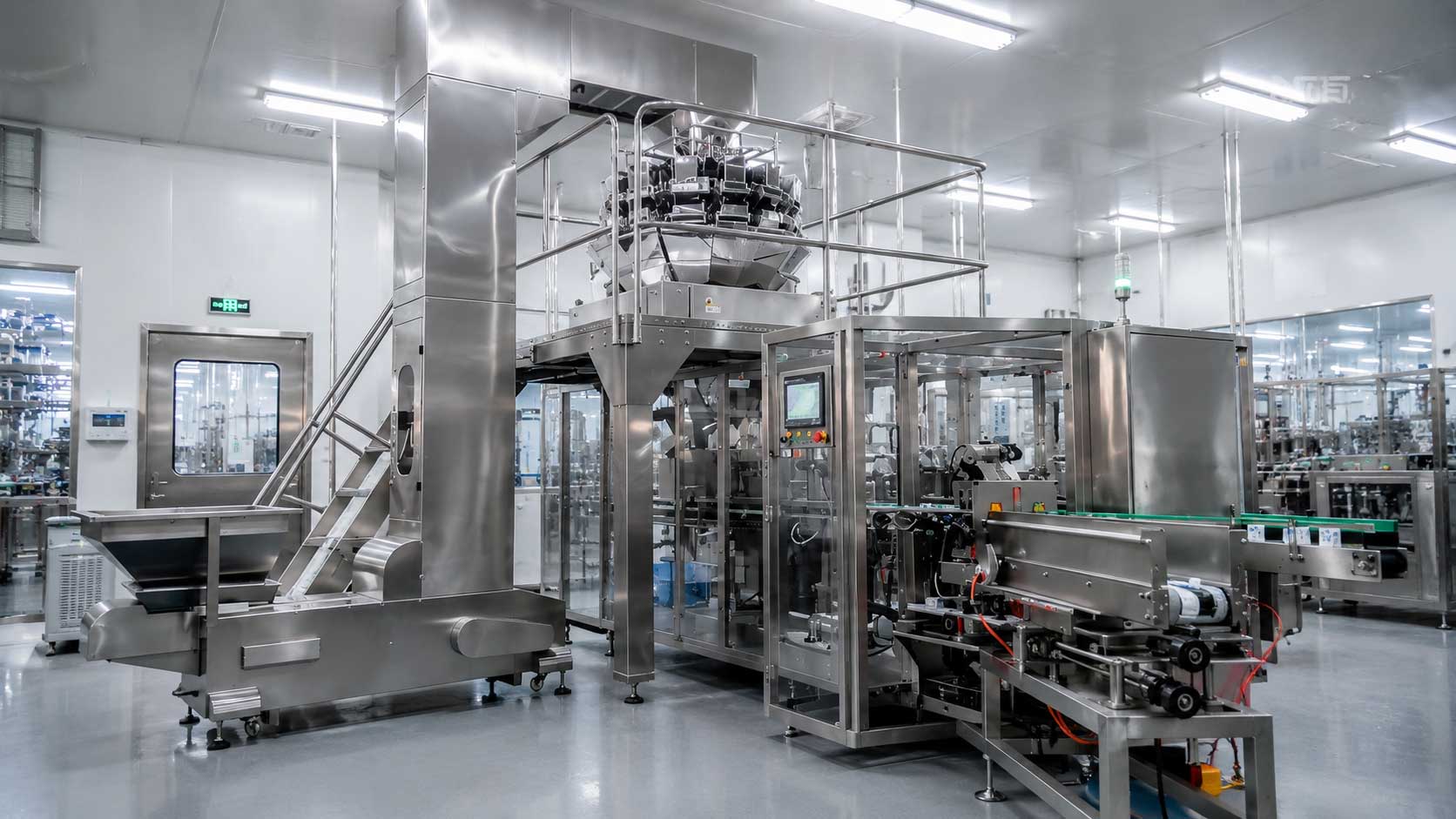
While choosing the right machinery can seem daunting, vertical cartoning machines play a crucial role in enhancing production efficiency. These machines streamline the packing process by automatically erecting, filling, and sealing cartons in an upright position, which reduces handling time and labor costs.
You’ll find they’re particularly advantageous for industries dealing with smaller, lightweight products, as they can handle high-speed operations without compromising quality.
Vertical cartoning machines can also fit into smaller production spaces, maximizing your facility’s layout. By integrating advanced technology, they ensure precise carton placement and reliable sealing, minimizing product wastage.
Investing in a quality vertical cartoning machine can significantly impact your production flow, enabling you to meet growing demands with less effort.
You’ll appreciate their ability to quickly and accurately form, fill, and seal cartons, minimizing packaging time and labor costs. They handle a variety of packaging materials and sizes, allowing you to adapt to different products easily.
By automating the cartoning process, you reduce human error and ensure consistent quality. Investing in a horizontal cartoning machine means boosting your production efficiency and maintaining a competitive edge in the market.
With the right equipment, you’ll streamline your operations and enhance overall productivity.
Cartoning machines come in various automation levels, each tailored to meet specific production needs.
At the fully automated level, these machines handle every step, from product feeding to carton sealing, significantly boosting efficiency and reducing labor costs. You won’t need much supervision, making it ideal if you’re looking to scale up your operations.
On the other hand, semi-automatic machines require some manual input, giving you more control over the process without the full automation price tag.
Keep in mind that your choice should depend on your production volume, budget, and labor availability. Understanding these levels helps you invest wisely and optimize your production line effectively, ensuring you meet your output goals efficiently.
Many manufacturers find that semi-automatic cartoning machines strike a perfect balance between efficiency and control. With these machines, you can manually load products while enjoying automated carton forming, sealing, and ejecting. This setup offers flexibility, making it ideal for businesses with varying production volumes or different product sizes.
You’ll appreciate how easy it's to operate a semi-automatic machine, allowing your team to maintain quality control without sacrificing speed.
Plus, the initial investment is often lower compared to fully automatic models. In addition, they typically require less floor space, making them a great choice for smaller operations.
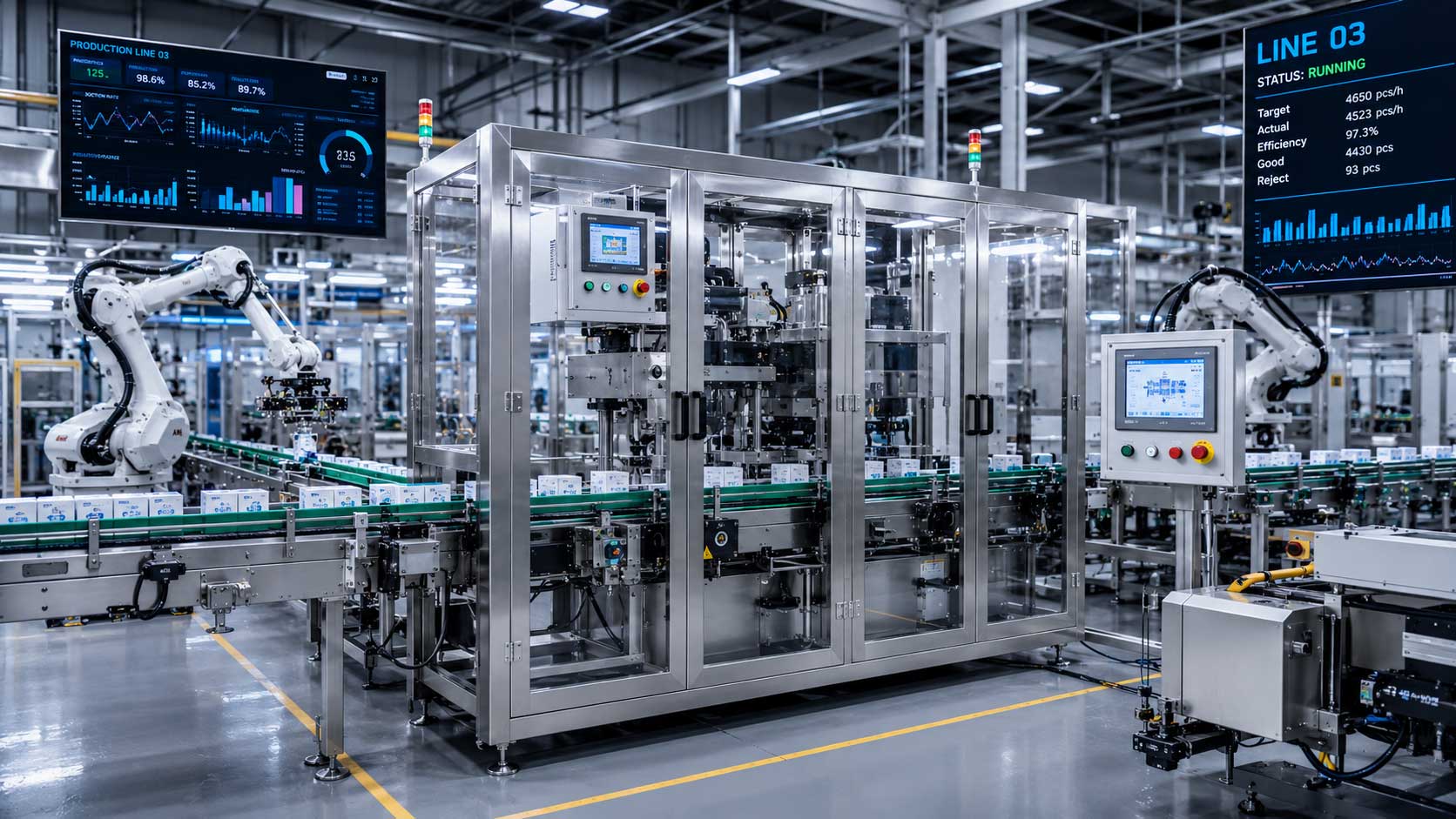
If you’re looking to maximize productivity, fully automatic cartoning machines can take your operations to the next level. These machines streamline the packaging process by automatically forming, filling, and sealing cartons without manual intervention. This efficiency not only speeds up production but also reduces labor costs and minimizes errors.
With a fully automatic system, you can process a higher volume of products in less time, meeting consumer demand swiftly. They’re equipped with advanced technology that ensures consistent quality and precise cartoning.
You’ll also find them adaptable to various product sizes and shapes, making them versatile for different industries. Investing in a fully automatic cartoning machine will enhance your operations, boost overall output, and ultimately contribute to your bottom line.
The motion type of a cartoning machine significantly influences its performance and efficiency in production.
When you choose a machine, you'll encounter two primary types: continuous and intermittent. Continuous motion machines maintain a steady workflow, moving products through the cartoning process without pausing. This leads to increased speed, making them ideal for high-volume environments.
On the other hand, if your production requires flexibility, consider a semi-automatic machine, which allows for manual intervention.
Selecting the right motion type based on your production needs will enhance overall efficiency. Remember, the motion type not only affects speed but also impacts the quality of your cartoning, so weigh your options carefully before making a decision.
Intermittent motion cartoning machines play a crucial role in production settings where flexibility and precision are key. These machines operate by stopping briefly at designated points, allowing for precise placement of products into cartons.
This capability is especially useful for handling various product sizes and shapes without sacrificing quality. You’ll find that intermittent motion machines enable easy adjustment between different packaging formats, making them ideal for businesses with diverse product lines.
The ability to run smaller batches efficiently means you can respond swiftly to market demands. Moreover, their reliability and accuracy reduce the potential for errors, ensuring that each carton is securely sealed.
Investing in intermittent motion cartoning machines can significantly enhance your production process and overall efficiency.
As production demands increase, continuous motion cartoning machines become indispensable in maintaining efficiency and speed on the packaging line.
These machines streamline the packaging process by allowing the cartons to move smoothly through various stages without interruptions. With their capability to handle high-speed operations, you’ll find they significantly reduce cycle times and improve overall productivity.
Utilizing advanced technology, continuous motion machines ensure that products are consistently and accurately placed into cartons, minimizing waste and optimizing resource use. They’re perfect for high-volume applications, enabling your production line to keep up with growing demand.
When considering production efficiency, product characteristics of cartoning machines play a crucial role. You'll want to evaluate attributes like size, speed, and versatility; these factors determine how well the machine meets your production needs.
Look for machines that can adjust to different product sizes, as flexibility can save time and costs. Speed is another key element; faster machines can increase output but ensure quality isn’t compromised.
The ability to handle multiple product types, from food to pharmaceuticals, adds significant value. Additionally, consider ease of operation and maintenance—user-friendly controls save time and reduce downtime.
Choosing the right carton type is essential because it directly impacts your production efficiency and product presentation. You’ve got various options, including slotted cartons, setup boxes, and foldable cartons, each serving different purposes.
Consider the dimensions, weight, and fragility of your products; these factors influence the carton’s material and structure. A sturdy, well-designed carton can provide maximum protection and appeal, enhancing customer satisfaction.
Additionally, think about branding; printed graphics on the carton type can communicate your brand’s identity effectively. It's crucial to coordinate your carton choice with your cartoning machine, ensuring compatibility for a seamless production process.
Evaluate your needs carefully, and you'll make a wise investment that's beneficial for your production line.
Analyze your current production rates and future growth plans to determine the necessary speed. If you anticipate higher demand, investing in a faster machine could save you money in the long run.
Additionally, take into account the types of products you'll be packaging and their individual handling needs. Striking the right balance between speed and quality is essential; you want to maintain your product’s integrity while maximizing output.
Always choose a machine that aligns with both your current and anticipated production speed requirements.
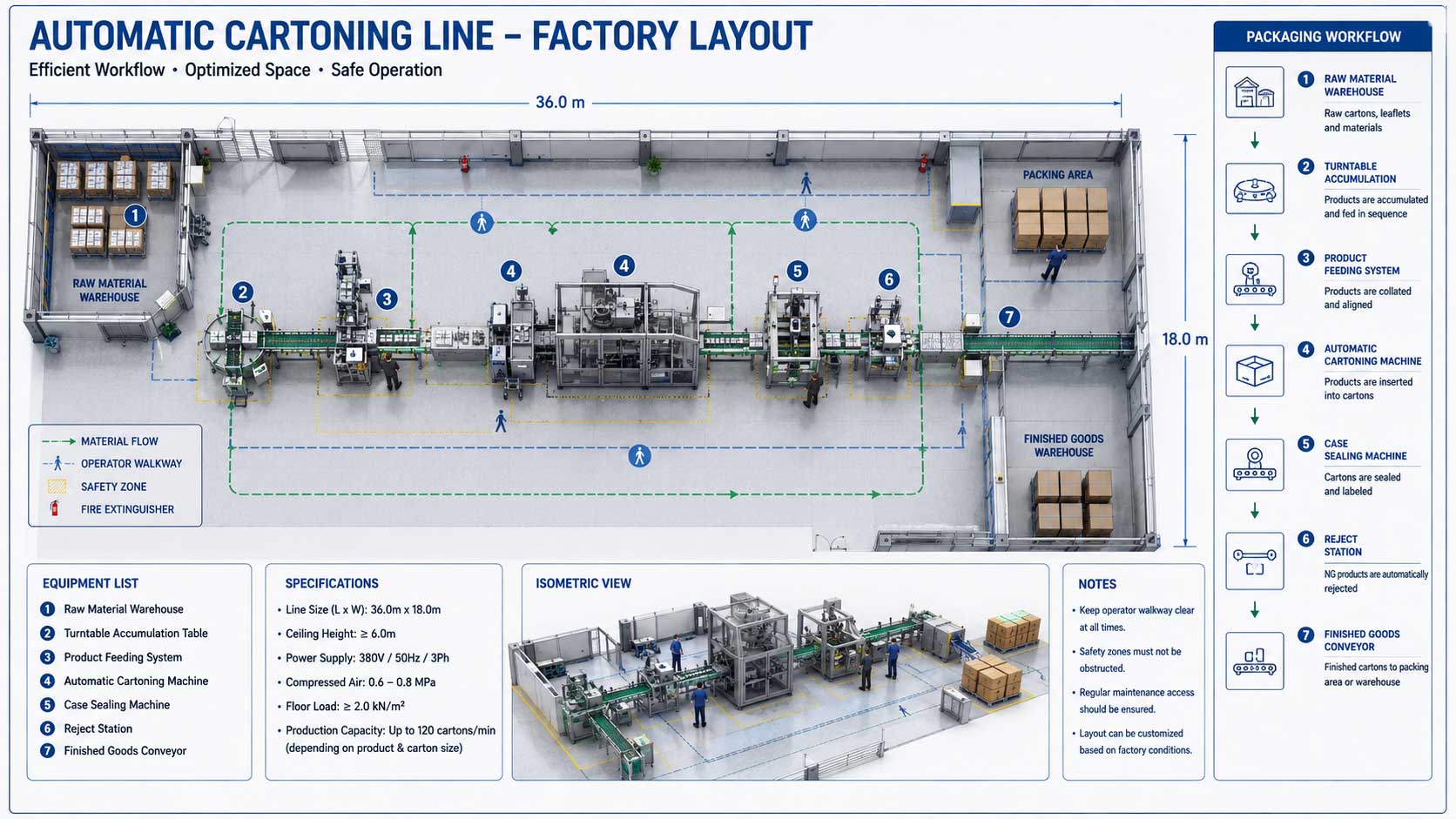
Understanding the machine footprint and factory layout is crucial for integrating cartoning machines into your production line effectively.
You'll want to assess the available space in your facility, as cartoning machines can vary significantly in size and design. Consider how your production line flows and ensure there's enough room for material handling, operator access, and maintenance activities.
Ideally, arrange the cartoning machine to minimize movement between processes while maximizing efficiency. Think about placement near related equipment, such as conveyors or print finishers.
Don't forget to account for safety regulations and maintenance ease in your layout. A well-planned factory layout can enhance productivity and minimize downtime, making the investment in your cartoning machine even more worthwhile.
When you prioritize ease of operation, cartoning machines play a pivotal role in streamlining your packaging process. These machines are designed with user-friendly interfaces, reducing the learning curve for your team. You’ll find features like quick-change setups and intuitive controls that simplify adjustments and maintenance, allowing your operators to focus more on production than troubleshooting.
Moreover, many cartoning machines incorporate safety mechanisms that enhance operator confidence, minimizing the risk of accidents. By choosing a machine that emphasizes ease of operation, you can improve efficiency and reduce downtime.
Ultimately, a well-designed cartoning machine not only simplifies your workflow but also enables your staff to work more effectively, leading to better overall productivity in your packaging operations.
Speed is a crucial factor in the efficiency of your packaging line, with many cartoning machines capable of handling anywhere from 30 to 150 cartons per minute.
When choosing a machine, consider your production volume and how quickly you need to package your products. A higher speed can significantly boost your output, but it’s essential to balance speed with reliability to maintain quality.
If you pack products in large quantities, investing in a faster machine might pay off in the long run. However, if your production needs fluctuate, a machine with adjustable speed settings may be more appropriate.
Always assess your specific needs, and don’t overlook the importance of maintenance to keep your machine running smoothly at optimal speeds.
Selecting the right cartoning machine involves considering the carton size range your production line needs. You’ll want to ensure the machine can handle the dimensions of the cartons you plan to use, from small to large. Assess your product’s requirements, as this will help you determine the necessary adjustments or capabilities your machine should have.
Look for flexibility; a machine that can accommodate various sizes can save you time and money in the long run. Make sure to check if it allows for easy changeovers, so switching carton sizes isn’t a hassle.
Ultimately, investing in a versatile machine will increase your efficiency and help you adapt to changing production demands smoothly. Choose wisely to avoid bottlenecks in your workflow.
In the world of production, understanding power consumption is crucial for optimizing efficiency and reducing costs. When you're evaluating cartoning machines, pay close attention to their energy usage.
Machines that use less power can significantly lower your utility bills over time, helping you get a better return on investment. Look for models with energy-efficient features, as these can help minimize consumption without sacrificing performance.
It's also beneficial to consider the machine's operational speed; faster machines may consume more energy, so balance this with your production needs.
Ultimately, choosing a cartoning machine with lower power consumption will contribute to a more sustainable operation, making it easier for you to meet both your financial and environmental goals.
When you're choosing a cartoning machine, it's essential to consider material compatibility since not all machines can handle every type of packaging material.
Different materials—such as paperboard, plastic, or corrugated cardboard—may require specific types of machines for optimal performance. You'll want to ensure that the machine you select can efficiently process the materials your products are packaged in.
Additionally, consider the thickness and flexibility of the materials, as these factors can affect the machine’s ability to form and seal cartons properly.
Research your options, and check manufacturer specifications to ensure that the machine is designed for the materials you intend to use.
Making the right choice here will enhance production efficiency and reduce unexpected downtime.
As production lines grow, entry-level cartoning machines play a crucial role by providing affordable and efficient solutions for smaller businesses. These machines simplify the packing process, allowing you to quickly and accurately package your products without breaking the bank.
Ideal for startups or those scaling up, entry-level machines offer essential features like adjustable speed and size compatibility, making them versatile for various product types. They help reduce labor costs and minimize packaging waste, ultimately boosting your overall productivity.
Since they’re user-friendly, your team can operate them with minimal training, ensuring a smooth transition into automated cartoning. Investing in an entry-level cartoning machine can significantly enhance your production efficiency while keeping your budget intact.
Moving from entry-level machines, mid-range cartoning machines offer enhanced capabilities that cater to growing production demands. These machines strike a balance between efficiency and affordability.
You’ll find they can handle various packaging styles and materials, allowing you to adapt to different product lines. With increased automation features, mid-range models reduce labor costs and minimize error rates, leading to a more streamlined process.
They typically support higher throughput, making them ideal for companies experiencing growth or looking to scale operations. Their user-friendly interfaces also simplify training for your staff, ensuring smoother transitions.
Investing in a mid-range cartoning machine could improve reliability and consistency in your packaging, ultimately boosting your overall productivity and meeting market demands more effectively.
High-end cartoning machines play a crucial role in optimizing production lines, offering advanced features that significantly enhance efficiency and output. These systems are designed to handle a wide variety of product sizes and shapes, allowing you to streamline your operations.
They often include automation capabilities, which reduce labor costs and minimize human errors.
With high-speed performance and precision engineering, these machines ensure that your products are packaged quickly and accurately.
You’ll also benefit from features like real-time monitoring and reporting, which provide valuable insights into your production processes.
Investing in a high-end cartoning machine not only increases your production capacity but also boosts overall product quality, helping you meet customer demands and stay competitive in the market.
While high-end cartoning machines can greatly enhance your production line, they come with hidden costs that can impact your overall budget. You’ll need to factor in ongoing maintenance, which can add up over time.
Don’t forget about the cost of additional training for your staff; getting your team up to speed on new machinery isn’t free. Energy consumption is another point to consider; powerful machines may lead to higher utility bills.
Spare parts can be costly too, particularly if your machine requires specialized components. Lastly, potential downtime during training or maintenance can affect productivity, leading to lost revenue.
When choosing between a manufacturer and a trading company for your cartoning machine, it's essential to understand how each option can affect your production line.
A manufacturer typically offers direct access to the machine, allowing you to customize features based on your specific needs. You'll likely benefit from better pricing and quality control since they produce the equipment themselves.
On the other hand, a trading company can provide a wider variety of machines from different manufacturers, helping you compare options easily. However, this might lead to higher costs and fewer customization opportunities.
Ultimately, your choice hinges on how you value direct relationships, customization, and variety in your production needs. Make sure to evaluate what's best for your operation.
When you're considering a cartoning machine, it’s tempting to focus solely on the price.
However, overlooking factors like future expansion, installation, and operator training can lead to bigger headaches down the line.
Let’s explore how these criteria impact your production efficiency and long-term success.
How important is price when you're considering a cartoning machine for your production line?
While it’s tempting to focus solely on cost, a low price might mean sacrificing quality and efficiency.
Instead, evaluate the machine’s features, reliability, and overall performance. Investing a bit more upfront can lead to savings in maintenance and increased productivity down the line, making price just one of several crucial factors.
You need to anticipate your production needs as your business grows. A machine that fits your current volume mightn't handle increased demand later.
Consider options that offer scalability, flexibility, and adaptability. They’ll save you money and time in the long run, ensuring your investment keeps pace with your growth.
Although the installation process of a cartoning machine may seem straightforward, it plays a crucial role in the overall efficiency of your production line.
Proper setup ensures smooth operation, minimizes downtime, and maximizes productivity. You'll want to follow manufacturer guidelines closely, check alignment, and secure necessary connections.
Taking these steps seriously can ultimately lead to a successful integration into your existing workflow.
When it comes to operating a cartoning machine, effective training is essential for optimizing performance on the production line.
You’ll want to ensure your operators understand the machine's functions, safety procedures, and troubleshooting techniques.
Comprehensive training not only boosts efficiency but also reduces errors and minimizes downtime.
Investing in quality training sets your team up for success, leading to smoother operations overall.
Keeping your cartoning machines in top shape is crucial for maintaining production efficiency.
Regularly inspect and clean components to prevent buildup and wear. Lubricate moving parts as recommended in the manual, and replace any worn-out parts promptly.
Train your operators to identify potential issues early on. A proactive maintenance routine minimizes downtime and extends the lifespan of your equipment, ensuring consistent performance.
Proper maintenance sets the foundation for the smart automation features found in modern cartoning machines.
These machines enhance efficiency by reducing manual input, streamlining processes, and improving accuracy.
When evaluating a machine, consider its automation capabilities such as user-friendly interfaces, real-time monitoring, and integration with existing systems.
Investing in a well-automated cartoning machine can significantly boost your production line's effectiveness and productivity.
As you explore flexible manufacturing in your production line, the role of cartoning machines becomes crucial in meeting diverse packaging demands.
These machines boost efficiency by easily adapting to various product types and sizes. When evaluating options, focus on speed, size adaptability, and ease of adjustment.
A well-suited cartoning machine can enhance your production's flexibility, ensuring you're always ready for different packaging requirements.
When considering sustainable packaging, it's essential to recognize how cartoning machines can significantly influence your production's environmental footprint.
Look for machines that minimize waste by using recyclable materials and efficient designs. Additionally, evaluate energy consumption and the carbon footprint of the equipment.
How do you choose the best cartoning machine for beginners? Start by assessing your production needs, including speed and volume.
Look for user-friendly features that simplify operation and maintenance. Consider machines with adjustable settings for different box sizes to ensure versatility.
Finally, check for reliable customer support and warranty options, making it easier to resolve any issues that may arise.
Wondering how long it takes to install a cartoning machine? Typically, it takes between one to three days, depending on the machine's complexity and your team's expertise.
Make sure you have all necessary utilities and space prepared in advance to streamline the process. Proper training on the machine’s operation can also expedite setup, ensuring you’re ready for production sooner.
Installing a cartoning machine is just the first step in optimizing your production line.
You'll want to ensure that the machine can handle multiple products, making it more versatile and cost-effective. Many modern cartoning machines offer adjustable settings, so you can easily switch between various product sizes and configurations.
This flexibility enables you to adapt to changing demands without investing in additional equipment.
When considering a cartoning machine, you might ask yourself whether the investment will pay off in the long run.
Evaluate your production needs, the machine's efficiency, and its potential to lower labor costs. Additionally, consider the durability and maintenance requirements.
If a cartoning machine can streamline your process and improve output, it’s likely worth every penny spent.
Investing in a cartoning machine is a significant decision that can greatly impact your production efficiency. By understanding the types, specifications, and key factors to consider, you’ll be better equipped to make an informed choice. Don’t overlook the hidden costs and the importance of selecting a reliable supplier for support. With the right preparation, you’ll find a machine that meets your needs today while setting you up for future success in your packaging operations.
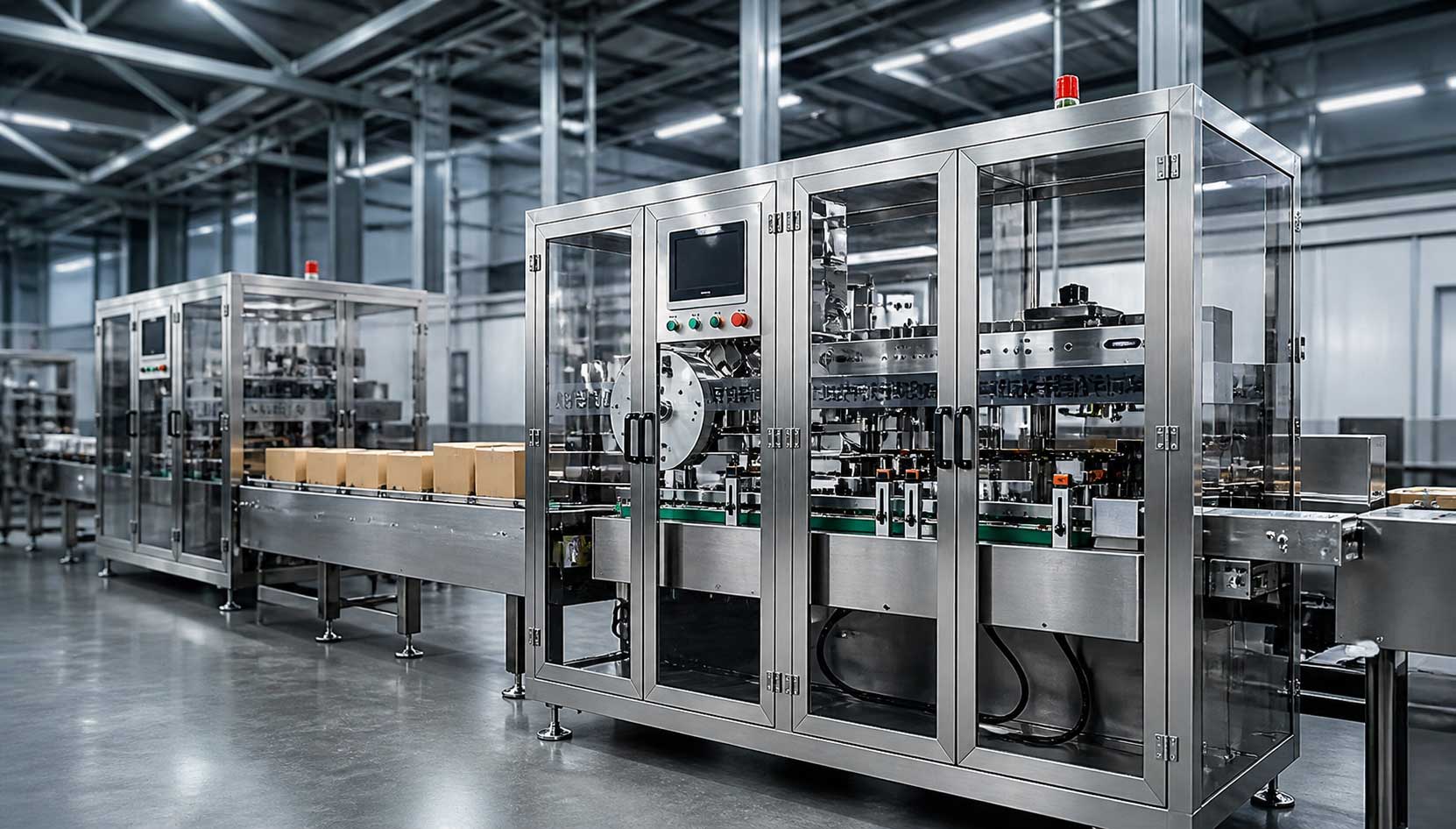
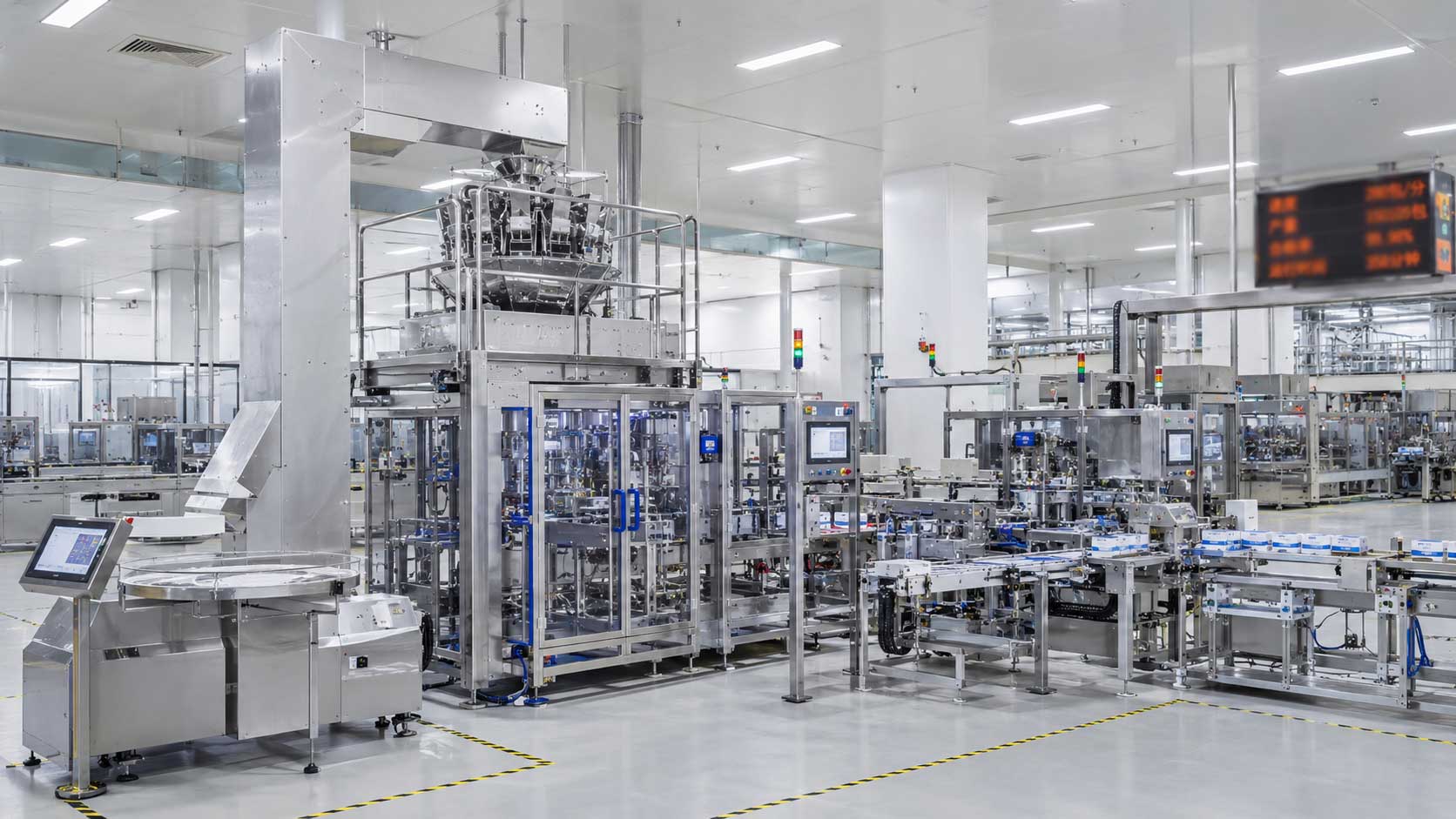
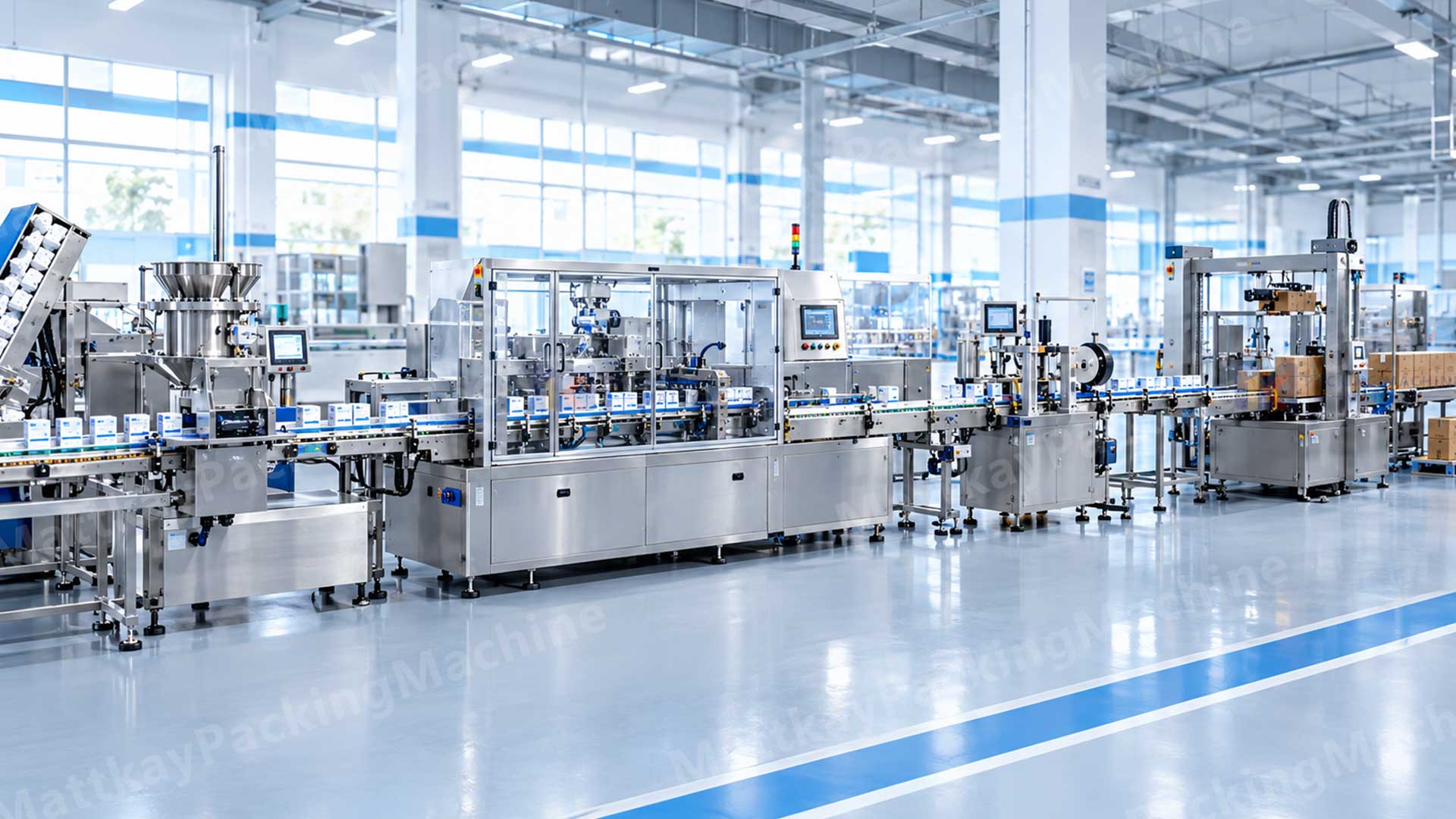
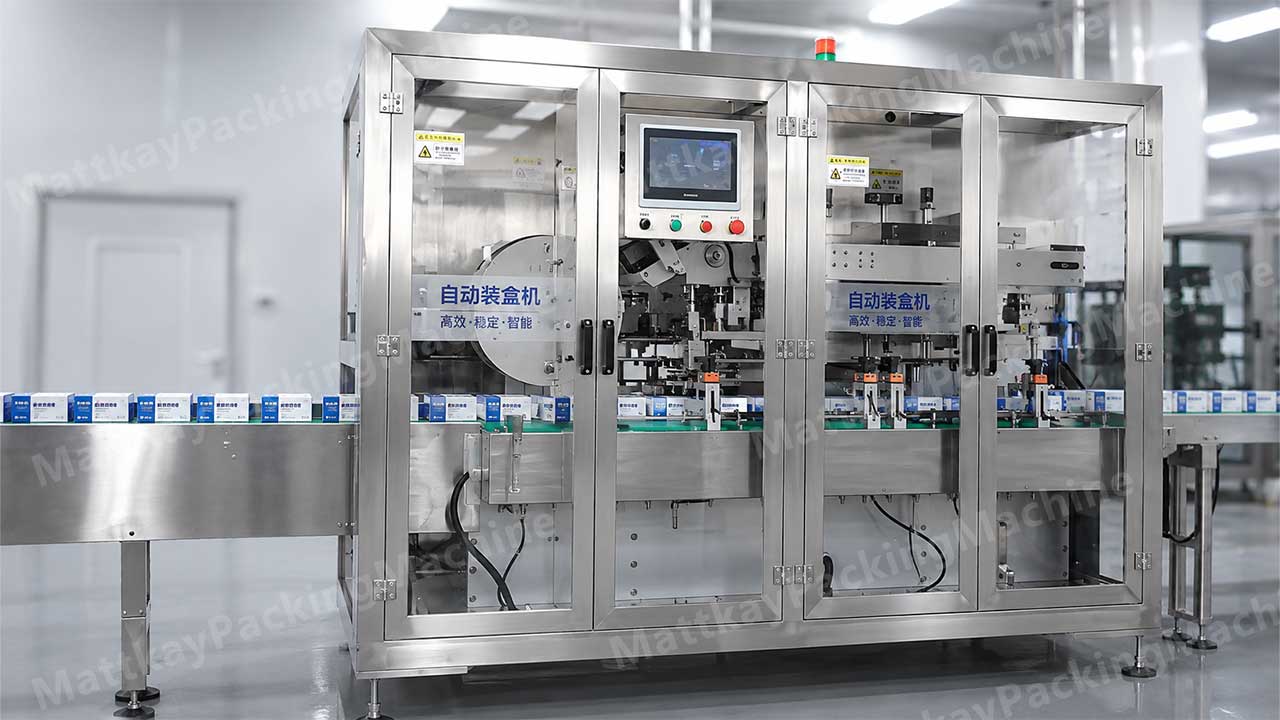
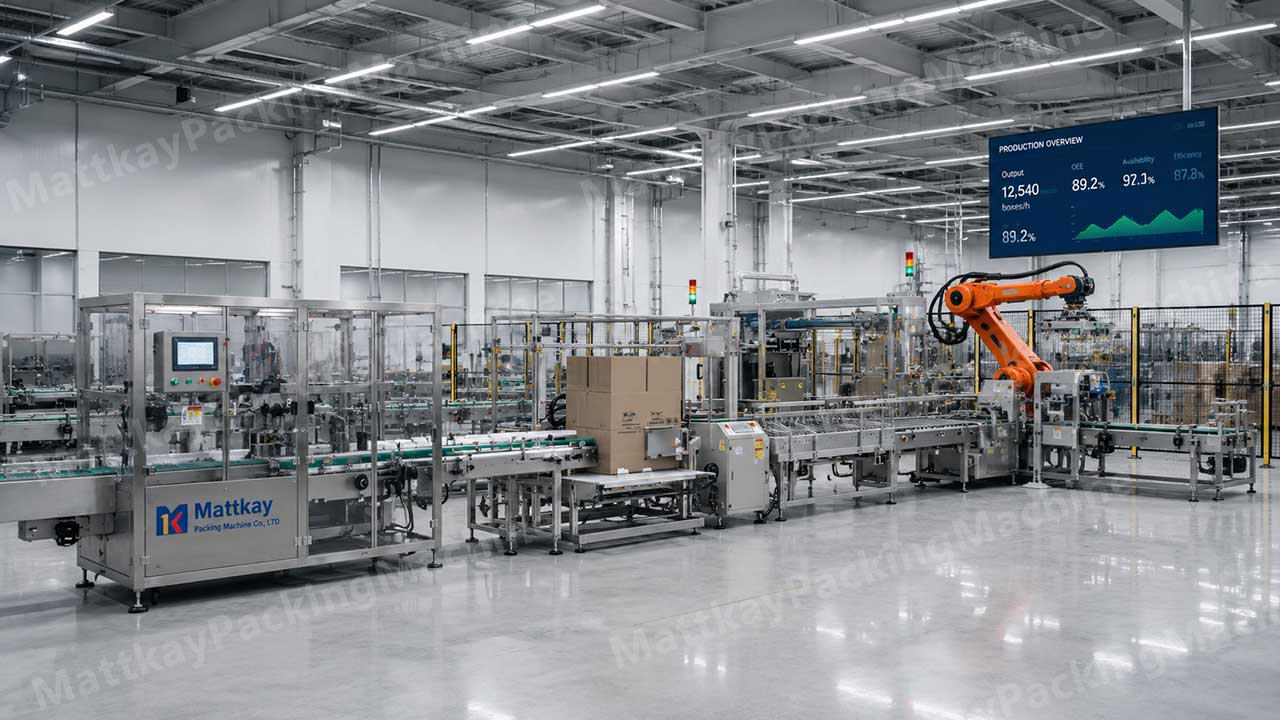

[…] manufacturers considering an automatic cartoning machine, early engineering review can help identify feeding challenges, reduce installation changes, and […]