REQUEST A QUOTE
Walk into any packaging hall and you will see dozens of box shapes stacked on pallets — yet in the world of automatic cartoning, most products end up in one of just three structures: the straight tuck end, the reverse tuck end, and the lid-and-base (two-piece) carton. The style you choose decides how fast your line runs, how much board you consume, how long format changes take, and how your product feels in the customer's hands.
This guide breaks down the three dominant carton styles, compares them side by side, and shows how each one interacts with a cartoning machine — so you can lock in the right structure before you commit to equipment.
Carton style is not a cosmetic choice. It is a mechanical specification. The flaps, slots and closure geometry of a tuck-end carton determine exactly which folding plows, tuck arms and pressure rollers your machine needs. A lid-and-base carton, by contrast, skips flap tucking entirely and asks the machine to nest two separate pieces together — a completely different mechanical motion.
Choose the wrong style and you pay for it twice: once in board waste every single day, and again in changeover time every time you switch SKUs. Choose the right one early, and the same machine can run your full product portfolio for years.
In a straight tuck end carton, both the front and rear closure panels tuck in the same direction. When one end is open, you can see both tuck flaps on the same side of the box. This gives the front face a clean, unbroken panel — popular for retail shelf impact — and leaves one end free for a window, a hang tab or a thumb notch.
On the machine side, STE requires an extra tuck-arm station because both flaps fold the same way. That makes the blank slightly longer and consumes a little more board than a reverse tuck, but it runs at high speeds once set up.
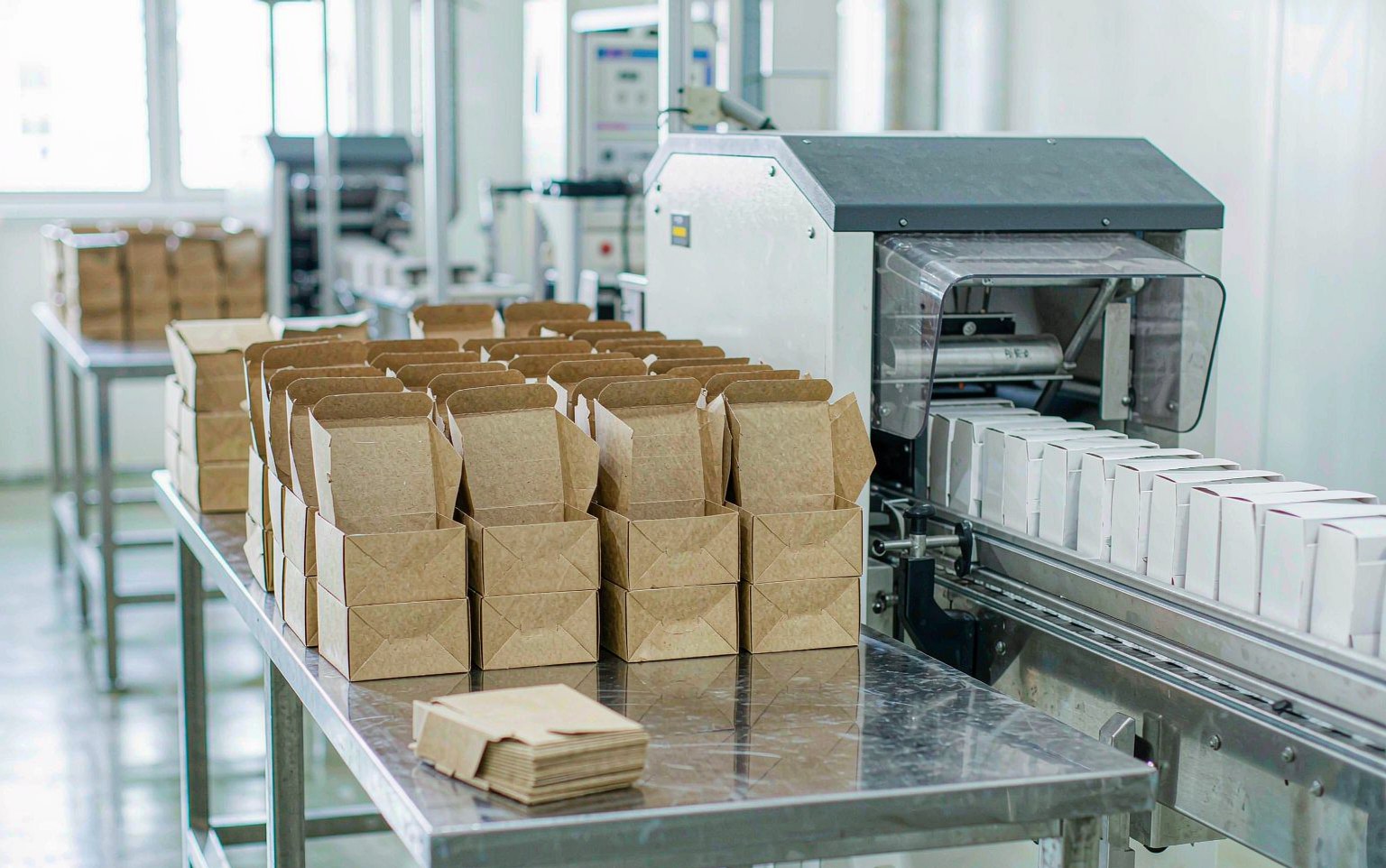
The reverse tuck end is the workhorse of folding cartons. Here the tuck flaps hinge from opposite panels, which shortens the blank and reduces board usage by roughly 3–5% compared to an STE of the same size. Because both tuck panels share the same score line on each side, the machine needs fewer stations, tooling is simpler, and changeovers are faster.
The trade-off is aesthetics: one end of an RTE shows a seam where the two flaps meet, which is why premium brands often upgrade to STE for the display face. For everyday products — toothpaste, pharmaceuticals, hardware — the RTE is usually the most economical choice bar none.
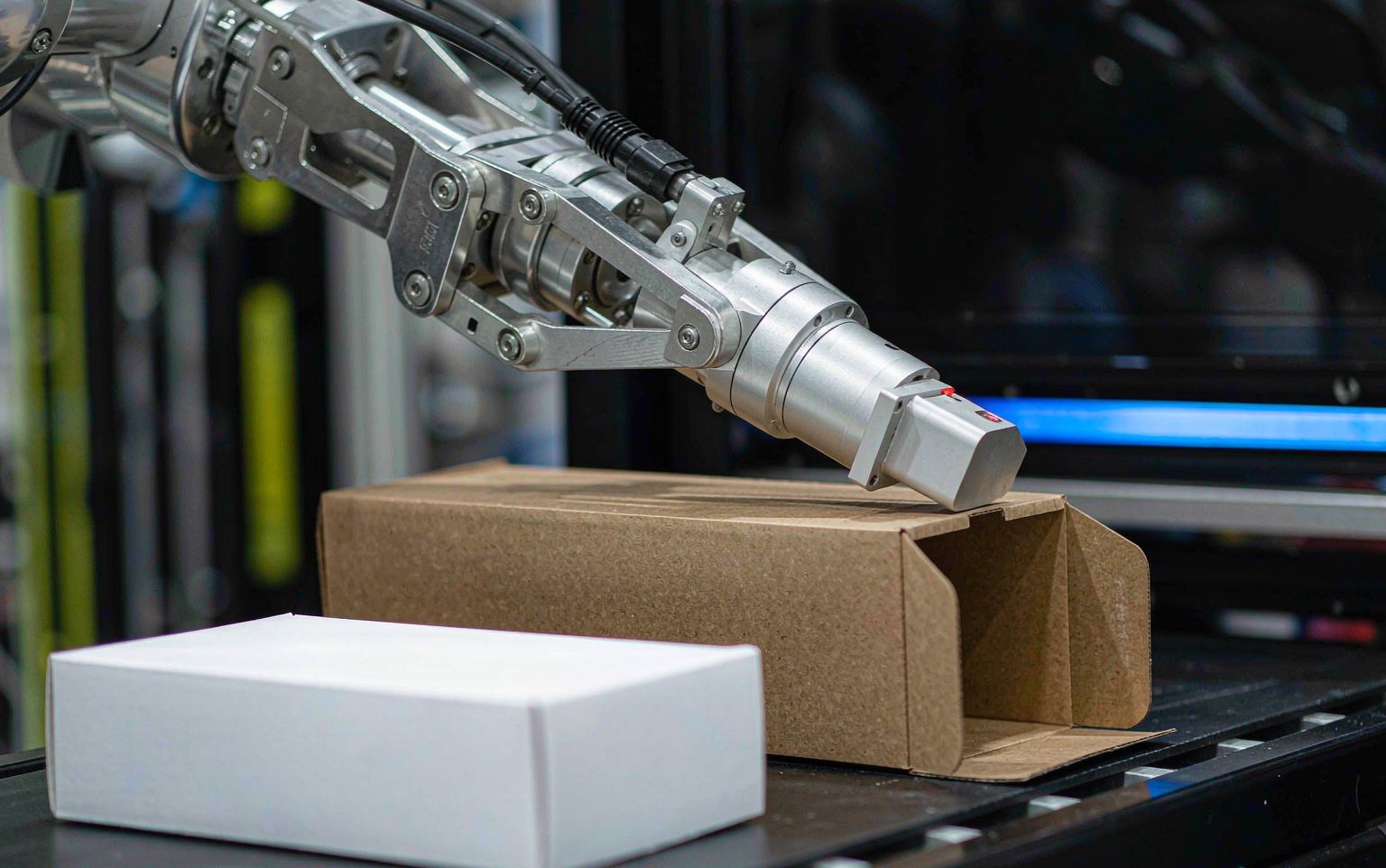
A lid-and-base carton — also called a top-and-bottom or telescope box — is a completely different animal. It consists of two separate trays: a deeper base and a shallower lid that slides or snaps over it. There are no tuck flaps to fold; instead, the machine or operator picks the lid, opens it, loads the product into the base, and closes the lid over the tray.
This structure delivers the premium "gift-box" feel that luxury cosmetics, tea tins, and high-end electronics demand. Mechanically it needs a top-opening lid-box packing machine rather than a conventional end-load cartoner — a point worth understanding before you buy equipment for a premium line.
Two further styles appear frequently in production planning. A crash-lock bottom (auto-bottom) carton ships flattened but snaps into a glued square base in one motion — slower blanks to feed, but fast to erect. A seal-end carton closes with hot-melt glue instead of tucks, offering tamper evidence for pharmaceutical and food applications. Both are within reach of most modern cartoners, but they change the tooling and consumables you need.
| Criteria | Straight Tuck End (STE) | Reverse Tuck End (RTE) | Lid-and-Base (Two-Piece) |
|---|---|---|---|
| Board usage | Medium (blank is longer) | Lowest (3–5% less than STE) | Highest (two separate pieces) |
| Machine type | End-load cartoner, extra tuck station | End-load cartoner, standard tooling | Lid-box packer with tray handling |
| Typical speed | High (120–250 pcs/min) | Highest (150–300 pcs/min) | Moderate (40–100 pcs/min) |
| Changeover effort | Medium | Lowest | Higher (two-piece handling) |
| Shelf appearance | Clean front panel, premium | Practical, visible seam on one end | Premium "gift box" unboxing |
| Best suited for | Retail cosmetics, electronics, gift sets | Pharma, toothpaste, FMCG volume lines | Luxury skincare, tea, confectionery |
Every style interacts differently with the same three machine parameters:
If your product mix already spans multiple styles, prioritize a machine with quick-change tooling. Our guide on cutting changeover from 45 minutes to 10 with SMED shows what that looks like in practice.
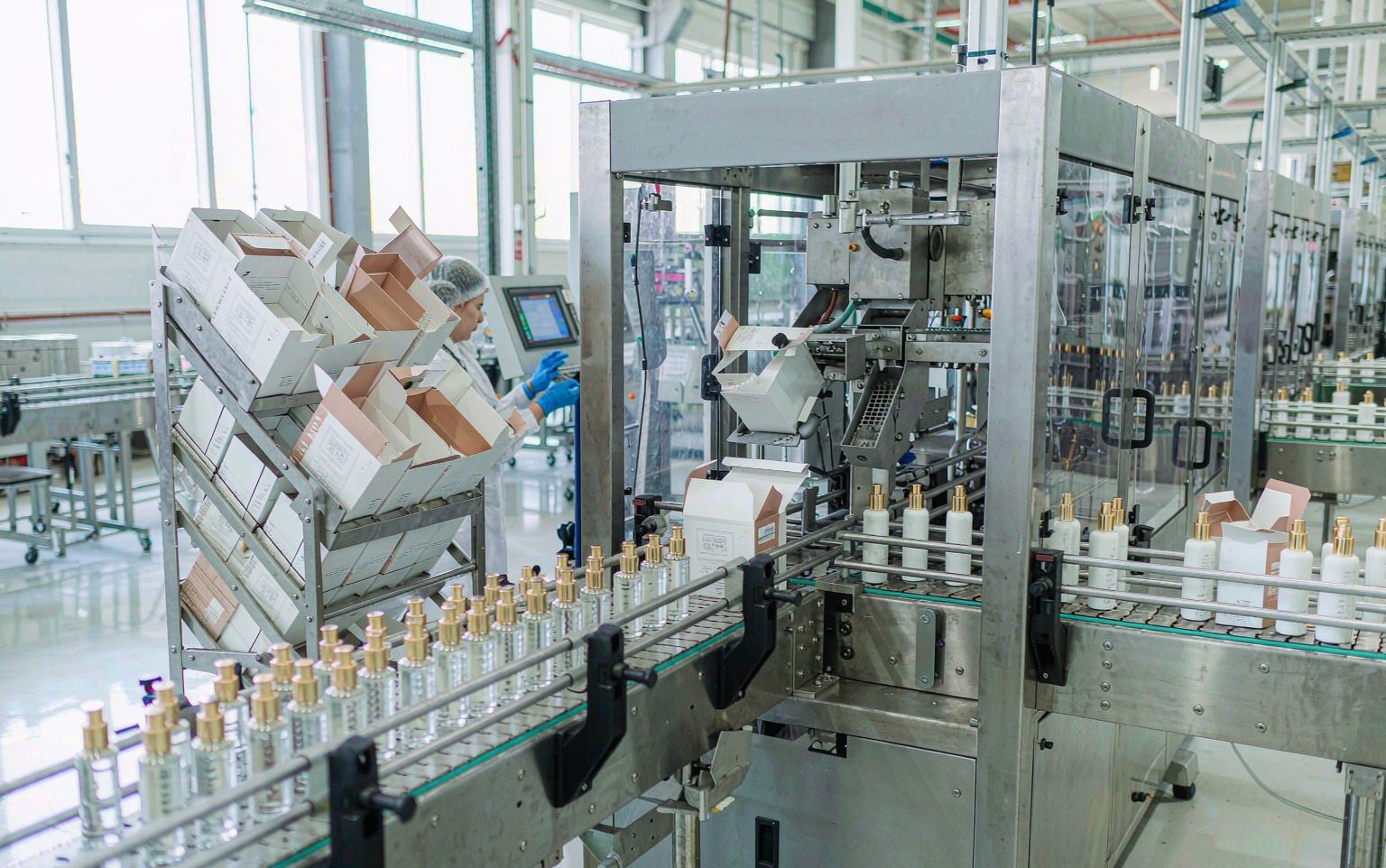
Serums, creams and makeup sets live or die on shelf presence. An STE carton keeps the front panel unbroken for foil stamping and embossing; a lid-and-base carton adds weight and ceremony for gift sets. We compare machine configurations for both routes in our cosmetic cartoning machine buyer's guide.
Blister-loaded cartons run in enormous volumes where every fraction of a cent of board matters — which is why RTE dominates pharma. The full workflow is covered in our guide to blister pack cartoning, including tamper-evident seal-end variants for regulated markets.
Tea bags, spice sachets, frozen food sleeves and snack bars typically standardize on RTE for cost, reserving lid-and-base for seasonal gift editions. High-speed end-loaders such as the MTK-150H automatic cartoning machine are engineered precisely for this style of continuous volume work.
Style and board grade decisions compound. An RTE blank in 300 gsm folding boxboard costs measurably less per thousand than an STE in 350 gsm — multiply that across a year of production and the difference funds a machine option. Points to weigh:
For a full cost model — blank price, labor, energy and spares — see our cartoning machine cost breakdown, and for payback math our ROI and payback guide.
Reverse tuck end. It uses the least board, runs on the simplest tooling, achieves the highest machine speeds and changes over fastest. For volume products it is almost always the lowest total-cost structure.
Generally no. Tuck-end closing and two-piece tray nesting are different mechanical motions with different tooling. If your portfolio needs both, either run two machines or plan a dedicated lid-box packer such as a top-opening model for the two-piece SKUs.
Typically 3–5% more, because the STE blank is longer to accommodate both tuck flaps on the same side. On a 500,000-carton annual volume that alone can be thousands of dollars.
Yes, significantly. Reverse tuck lines commonly run 150–300 pieces per minute, straight tuck slightly lower due to the extra tuck station, and lid-and-base lines operate far below that because picking and nesting two pieces takes longer than folding one blank.
The carton style conversation belongs at the very front of your packaging project — before machine selection, before budget sign-off, before die-cut tooling is ordered. Reverse tuck end wins on cost and speed, straight tuck end wins on shelf presentation, and lid-and-base wins on unboxing ceremony. Match the structure to the product's price point and volume, then buy a cartoner engineered for it.
Not sure which style fits your product line? Request a quote and the Mattkay engineering team will review your product dimensions, target output and carton drawings, then recommend the machine configuration that matches.