REQUEST A QUOTE
Blister packs are one of the most demanding products a cartoning machine can handle. A single carton may need to hold a fragile aluminum-PVC blister, an instruction leaflet, and pass strict pharmaceutical or supplement regulations — at speeds of 100+ cartons per minute. This guide explains how a blister pack cartoning machine works, which features matter for pharma-grade packaging, what the line looks like end to end, and how to choose the right configuration for your factory.
If you are new to cartoning equipment altogether, start with our complete introduction: what is a cartoning machine.
A blister pack looks simple, but it creates four challenges for any cartoner:
Generic cartoners can pack blisters, but a well-specified blister cartoner handles these variables with dedicated tooling and fewer rejects.
The process follows the standard cartoning flow, with blister-specific refinements at each step:
Blister packs arrive from the thermoformer or bagging station via conveyor. A stacking and counting unit groups the correct number of blisters (e.g., 1×30-count or 2×10-count) into a collated stack, checking count and orientation with sensors before transfer. Some lines add a blister inspection camera here — rejecting damaged or empty pockets before they reach the carton.
A leaflet feeder picks one folded leaflet from a magazine and, on many machines, inserts it between or on top of the blister stack. Leaflet presence is verified optically — a missing leaflet is one of the most common reasons for pharmaceutical batch rejection, so this sensor is not optional in regulated markets.
Meanwhile, the cartoner pulls a carton blank from the magazine, opens it, and locks it onto the chain carriers. For blister cartons, the tuck-flap style is standard; glue sealing is used when tamper evidence is required.
A servo-driven pusher transfers the blister stack (with leaflet) into the open carton in one motion. The pusher force and stroke must be adjusted per blister format — too aggressive and aluminum foil deforms; too soft and the stack misaligns inside the box.
Flaps are tucked (or glued), batch and expiry codes are printed via inkjet or thermal transfer, and a final vision check confirms closure, print quality, and carton integrity before discharge.
Servo axes synchronize blister feeding, leaflet insertion, and carton carrying — essential for delicate products and fast changeovers. A cam-driven machine can work for one dedicated format, but multi-SKU supplement or pharma lines benefit from servo flexibility. If you are weighing automation levels, read our comparison of fully automatic vs. semi-automatic cartoning machines.
For GMP areas, product-contact zones and machine covers in stainless steel (304/316) with smooth surfaces simplify cleaning and audit compliance. Dust extraction points around the blister stacker prevent foil and powder debris from accumulating.
Look for a leaflet feeder with double-pick detection (two leaflets picked at once) and missing-leaflet rejection. These two fault modes cause most regulated-market complaints.
A final vision station verifies blister presence inside the closed carton (using sensor or X-ray in demanding applications), print quality, and correct carton variant. Modern systems can also log rejection statistics for batch records — see our guide to AI and vision systems in packaging machinery for what is realistic versus marketing.
Supplement manufacturers often run many blister formats per week. Tool-free size parts, recipe storage in the HMI, and clear changeover documentation cut format changes from hours to under 30 minutes.
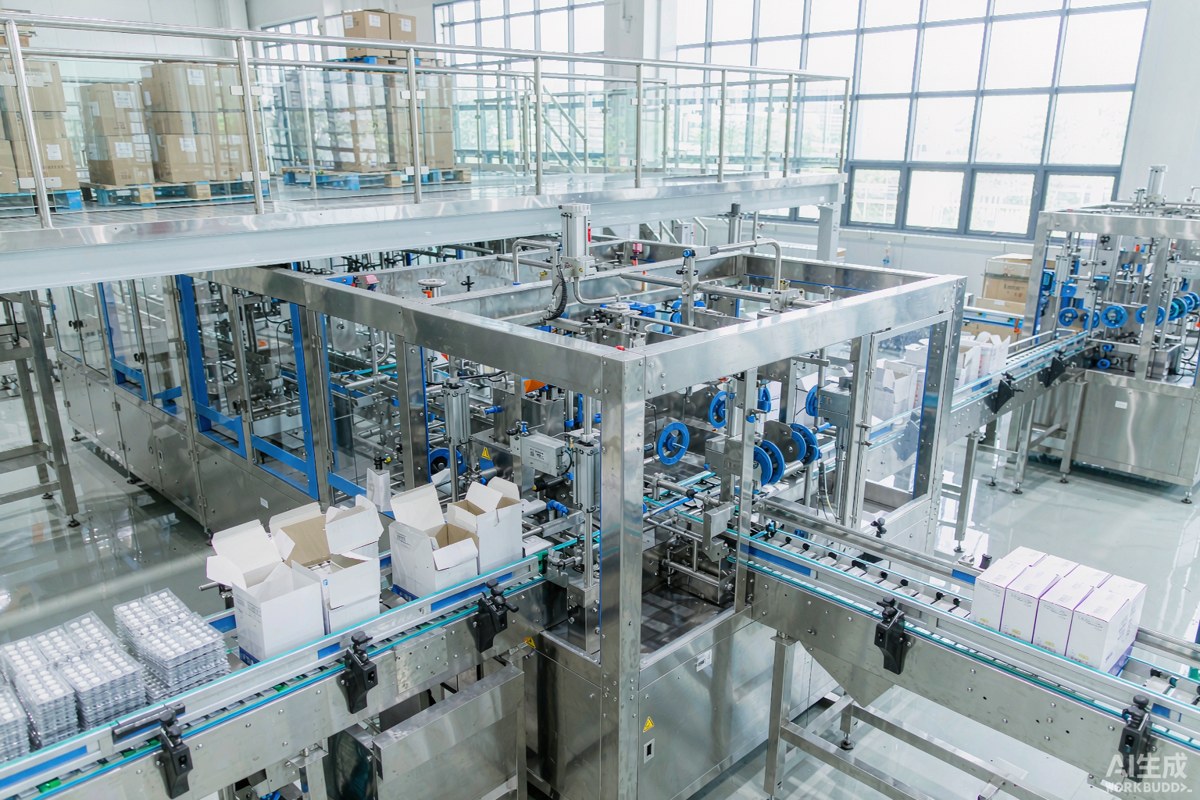
A cartoner is one station in a chain. A typical pharma or supplement line runs:
Thermoformer (blister forming and sealing) → blister inspection → cartoning machine (with leaflet feeder) → coding → case packer → palletizing
The cartoner must match the thermoformer's output: if your blister line produces 150 blisters/min and each carton holds 2 blisters, the cartoner needs ~75 cartons/min of sustainable output — not its brochure maximum. Our guide to rated speed vs. real output walks through this calculation. Understanding where a cartoner sits relative to a case packer matters too — see cartoning vs. case packing.
For other pharmaceutical formats — swabs, tubes, syringes — cartoning configurations differ; these are covered on our pharmaceutical cartoning machine product page.
Blister cartoners cost more than general-purpose cartoners of the same speed class because of the leaflet feeder, counting/stacking unit, and (optionally) vision inspection. As a planning range, semi-automatic configurations start lower, while fully automatic pharma-grade lines with leaflet and vision systems represent the upper tier. Line-level cost logic, including hidden items like size parts and validation, is detailed in our cartoner cost breakdown. Before signing anything, work through our buying guide and the factory-level selection framework.
Yes, if the blister is rigid enough and no leaflet is required. For regulated pharma/supplement products, a dedicated blister configuration with counting, stacking, and leaflet verification is strongly recommended.
Continuous-motion blister cartoners typically run 60–200 cartons/min depending on blister count per carton. Realistic output is lower after changeovers and rejects — plan with the speed calculation method, not the brochure figure.
In most regulated markets, yes — the patient information leaflet must accompany each pack, and its presence must be verifiable. Some markets accept printed-on-carton information for OTC products; check your target market's regulation.
Yes, with changeover size parts and stored recipes. Servo-driven machines adjust pusher stroke, stacking guides, and counting settings from the HMI, keeping format changes under 30 minutes.
Blister dimensions and count per carton, carton blank drawings, leaflet folded size, required speed, and whether GMP/vision options are needed. Photos or samples of the blister accelerate the review considerably.
Send us your blister dimensions, carton drawing, and target output — request a quotation and our engineers will configure the cartoning line, provide a cycle-time calculation, and share a trial-run video with your actual product.