REQUEST A QUOTE
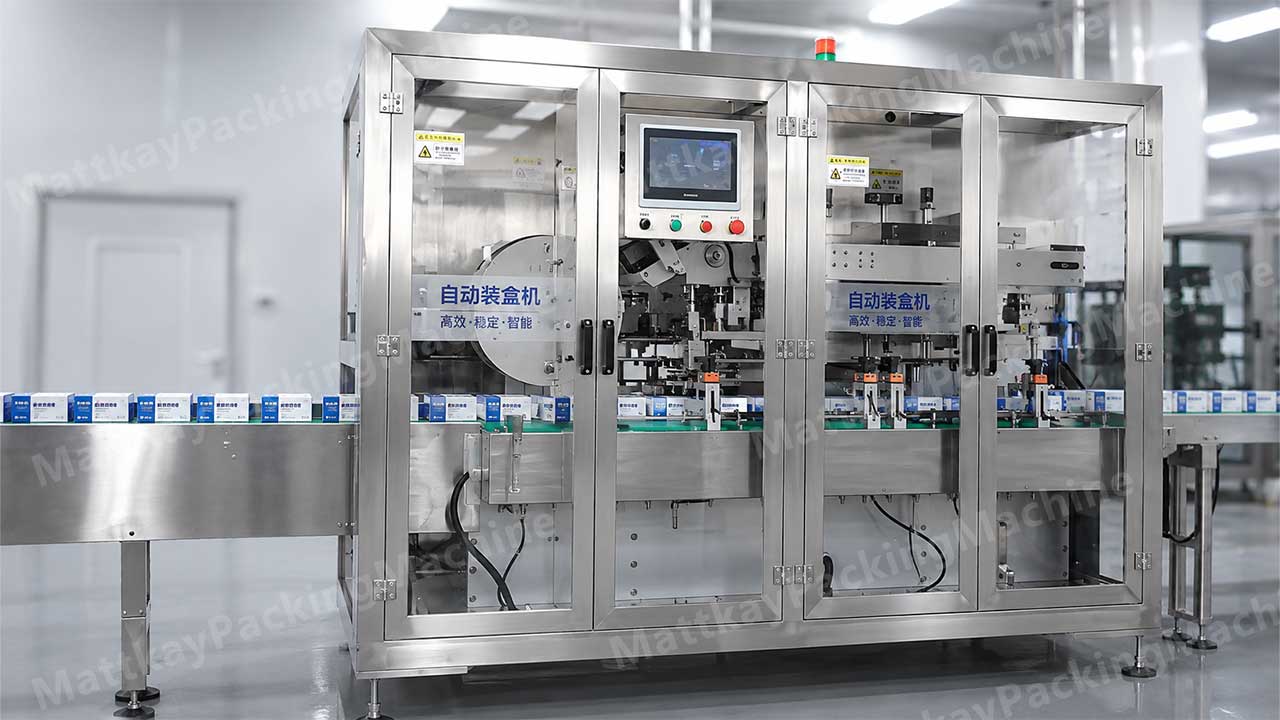
When you think about efficient packaging in manufacturing, cartoning machines often come to mind. These automated systems are designed to enhance your production line by filling and sealing products in cardboard cartons. You might be surprised to learn just how versatile and essential these machines are for various industries. Understanding their components and benefits can significantly impact your operations. So, what makes cartoning machines a pivotal part of modern packaging solutions?
A cartoning machine is an essential tool for packaging products quickly and efficiently.
You’ll learn how these machines operate, their key components, and the different types available. Whether you need automatic or semi-automatic solutions, understanding cartoning machines can help streamline your packing process.
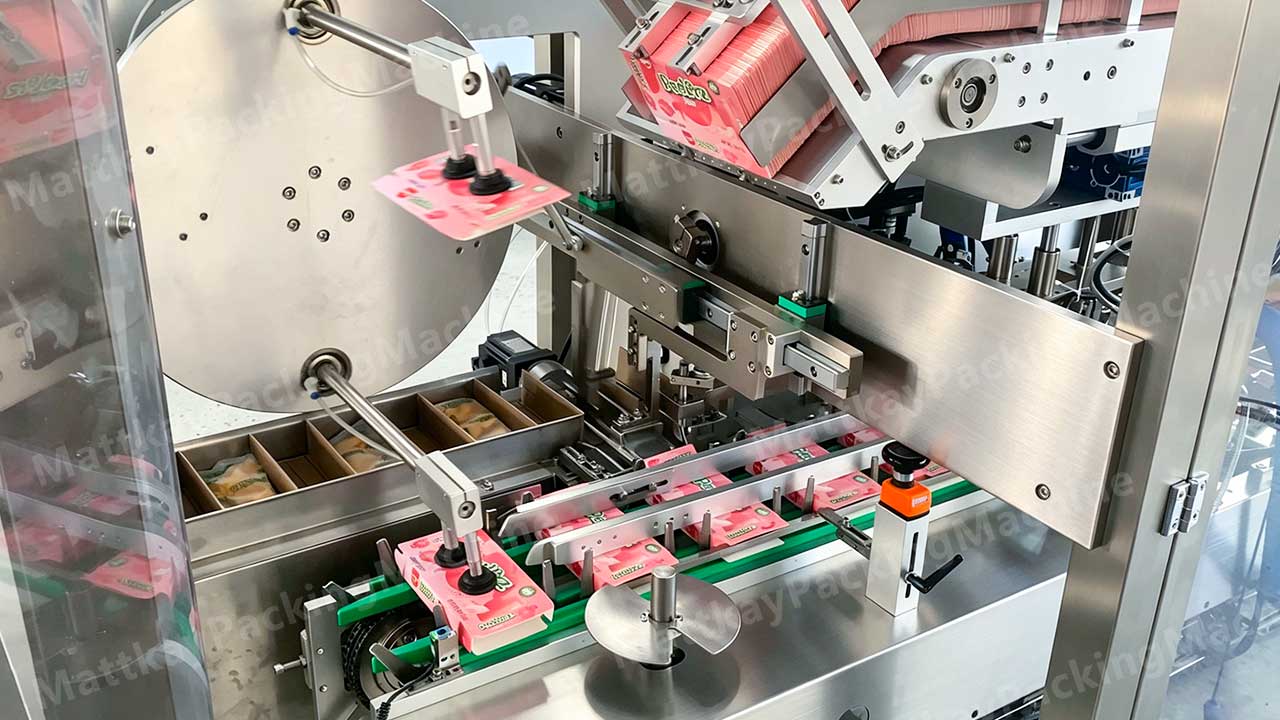
Cartoning machines play a crucial role in the packaging industry, automating the process of filling and sealing products in cardboard cartons. These machines are designed to handle a variety of products, from food items to pharmaceuticals, ensuring that your goods are safely and efficiently prepared for shipment.
By utilizing these systems, you can streamline production lines, reduce labor costs, and improve consistency in packaging.
Typically, a cartoning machine folds flat cartons into specific shapes, fills them with products, and then seals them securely. This automation not only enhances speed but also minimizes human error, leading to a higher-quality output.
Understanding what a cartoning machine is helps you appreciate its value in creating effective packaging solutions for your business.
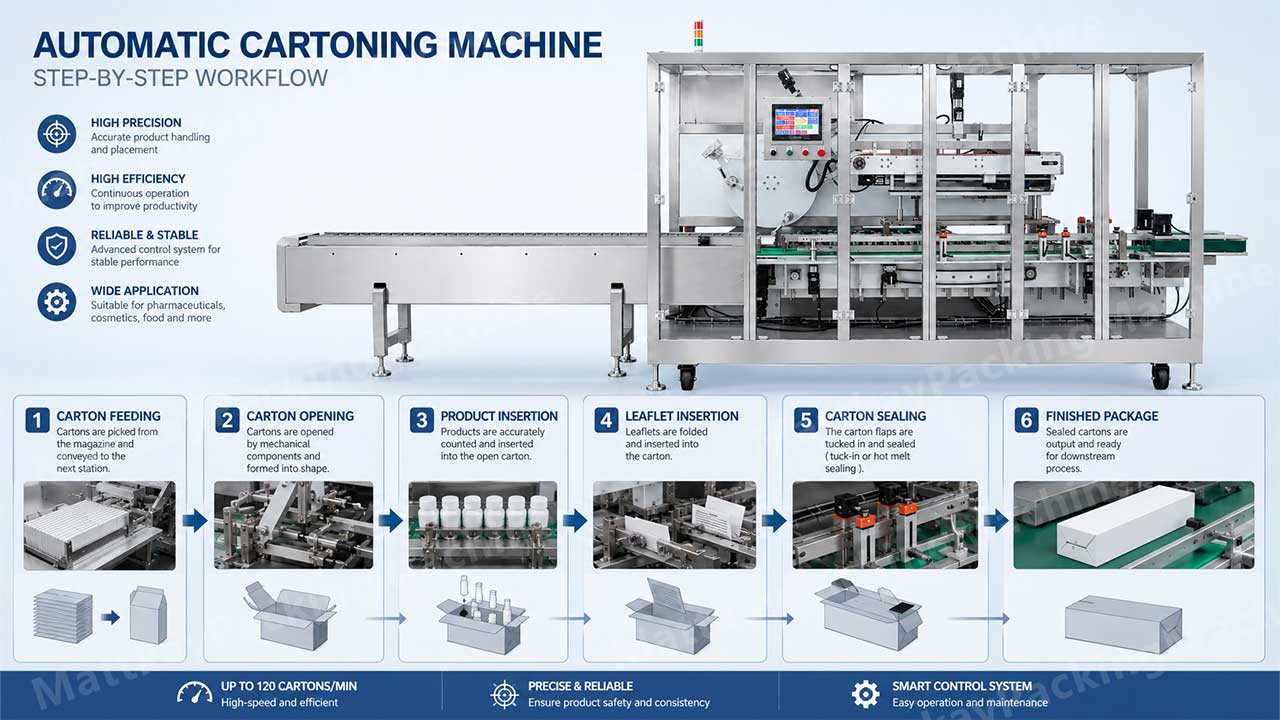
Understanding how a cartoning machine functions brings to light the intricate processes behind efficient packaging.
First, the machine retrieves flat cartons from a magazine, then swiftly erects and shapes them into a ready-to-fill container.
As you observe the flow, you’ll notice product feed mechanisms pushing your items into the cartons seamlessly.
Once filled, the machine securely seals the cartons, often using adhesive or tape, ensuring your products stay protected during transport.
The entire operation occurs at high speeds, minimizing labor and maximizing output.
By automating these steps, you'll enhance productivity while reducing manual errors.
This precision ensures that your packaging process is both timely and efficient, fulfilling the needs of various industries seamlessly.
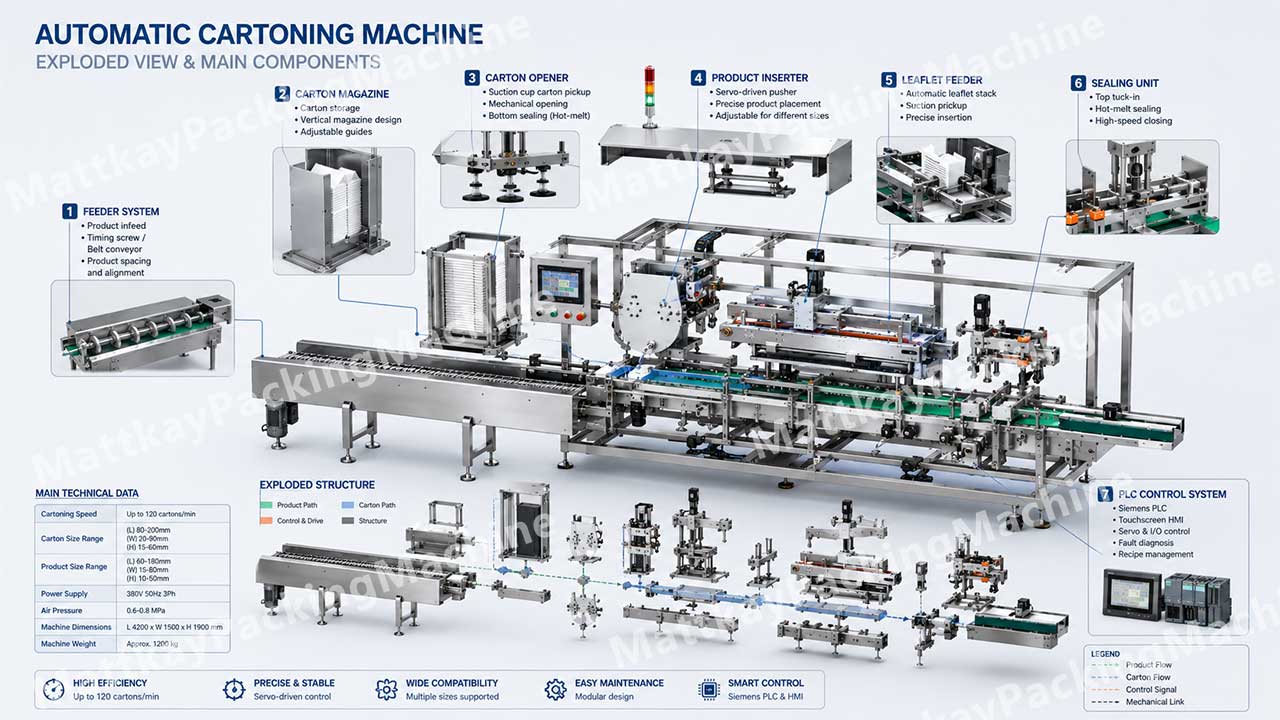
Efficient packaging relies on the key components of a cartoning machine, each playing a vital role in the overall process.
First, you’ve got the feeder, which takes products and pushes them into the machine. Next is the carton erector, forming flat cartons into their necessary shape before filling. This is followed by a filling system that places your products inside the cartons precisely.
The closing mechanism then seals the cartons securely, ensuring they’re ready for shipment. Finally, the control system manages the machine’s operations, allowing you to adjust settings for optimal performance.
Understanding these components helps you appreciate how seamlessly a cartoning machine works for your packaging needs.
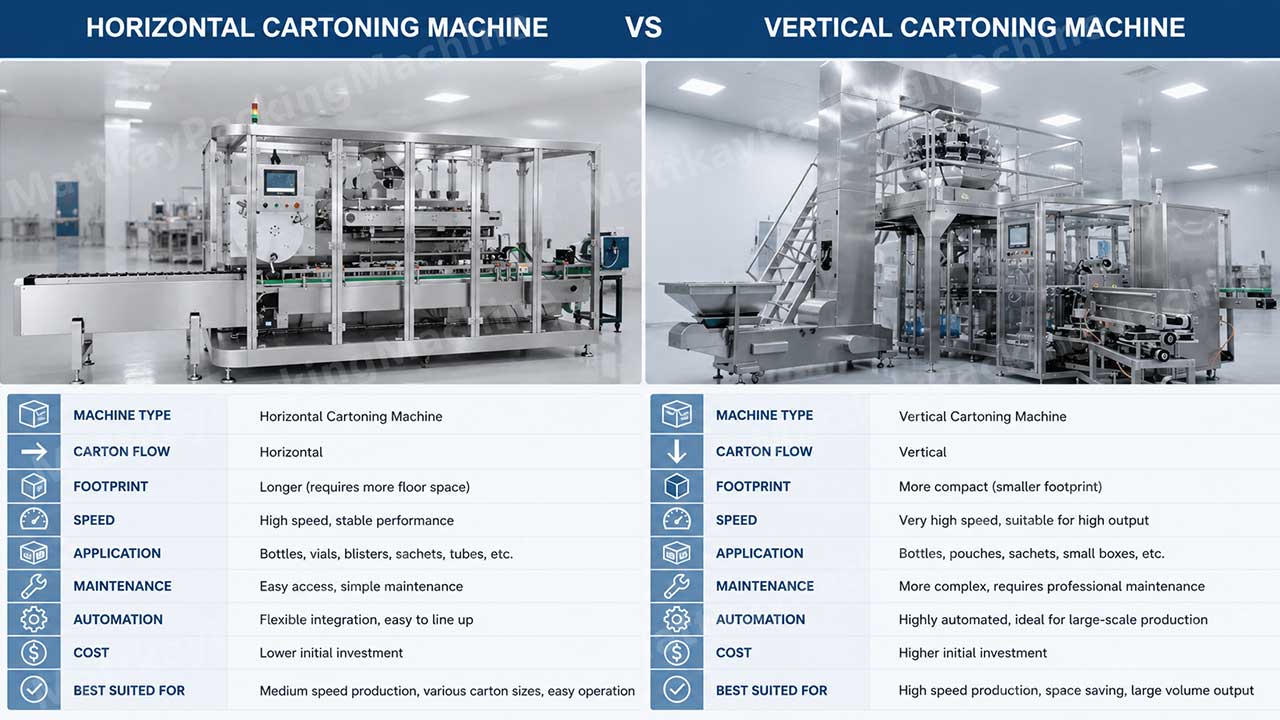
When it comes to packaging solutions, choosing the right type of cartoning machine can make all the difference in maintaining efficiency and product integrity. You’ll find several types available, each designed to meet specific needs.
Horizontal cartoning machines work well for products with a flat shape, while vertical models are ideal for taller items. If you need flexibility, consider a customizable unit that can handle various box sizes and formats. These machines can be equipped with additional features, such as automatic infeed and sealing capabilities.
Depending on your production needs, you might also explore different speeds and output capacities to ensure seamless integration into your workflow. Understanding these types helps you make an informed decision tailored to your packaging requirements.
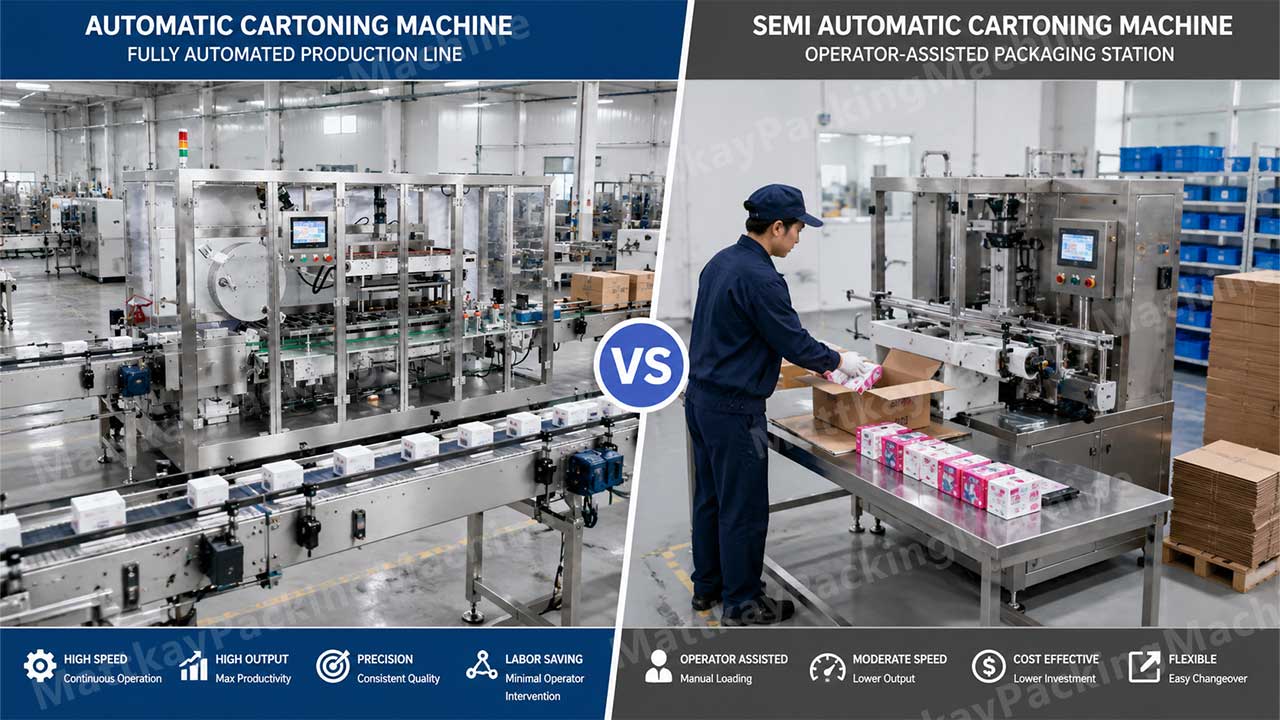
Have you ever wondered how much automation could boost your packaging operation? When it comes to cartoning machines, you have two primary options: automatic and semi-automatic.
Automatic cartoning machines fully handle the packaging process, increasing speed and minimizing human error. You can significantly enhance efficiency, particularly for high-volume production runs.
On the other hand, semi-automatic machines require some manual intervention. They’re ideal for lower production volumes or varied product sizes, offering flexibility without the higher cost of full automation.
While many products benefit from the efficiency of cartoning machines, the versatility of these machines makes them suitable for a wide range of items.
You’ll find that cartoning machines pack everything from food products like snacks, cereals, and frozen meals to non-food items such as pharmaceuticals, cosmetics, and household goods. They handle various packaging formats, including flat boxes, telescope cartons, and display boxes.
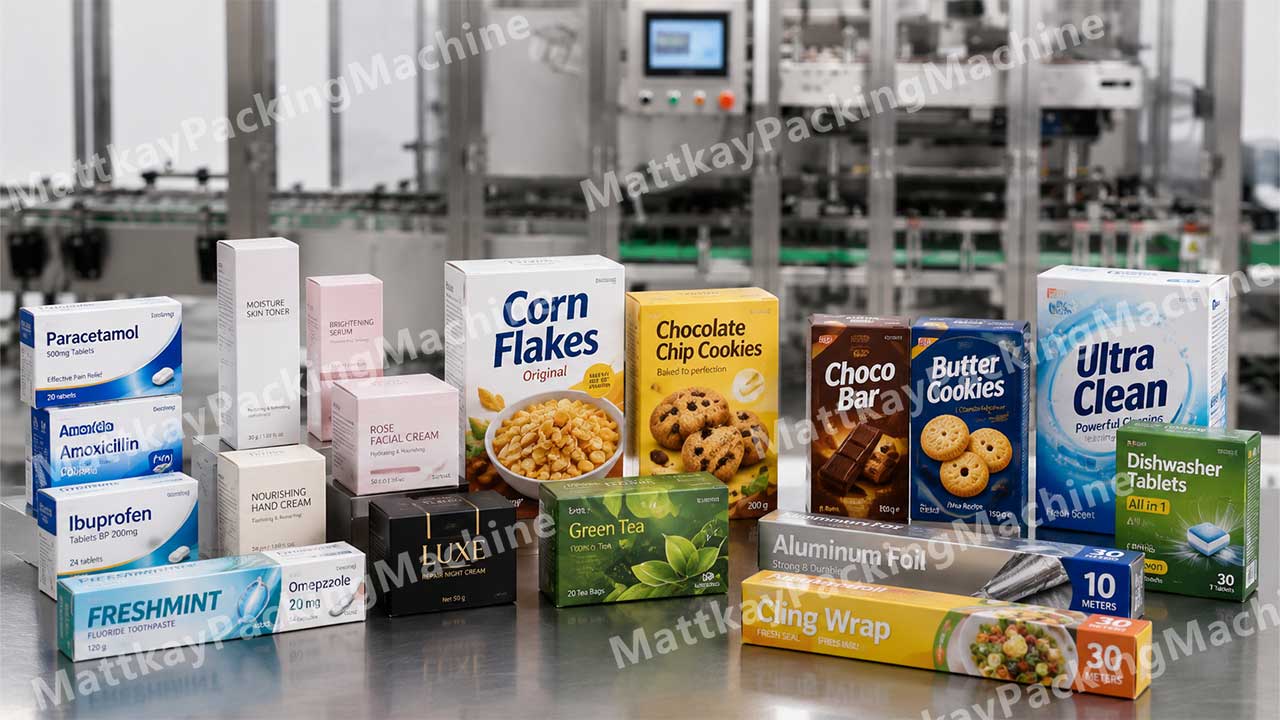
Whether it’s for consumer goods or industrial products, cartoning machines streamline the packing process, ensuring consistent quality and speed.
As you explore options, consider how these machines can adapt to suit different product shapes and sizes, helping you meet demand efficiently. Their flexibility truly enhances your production line capabilities.
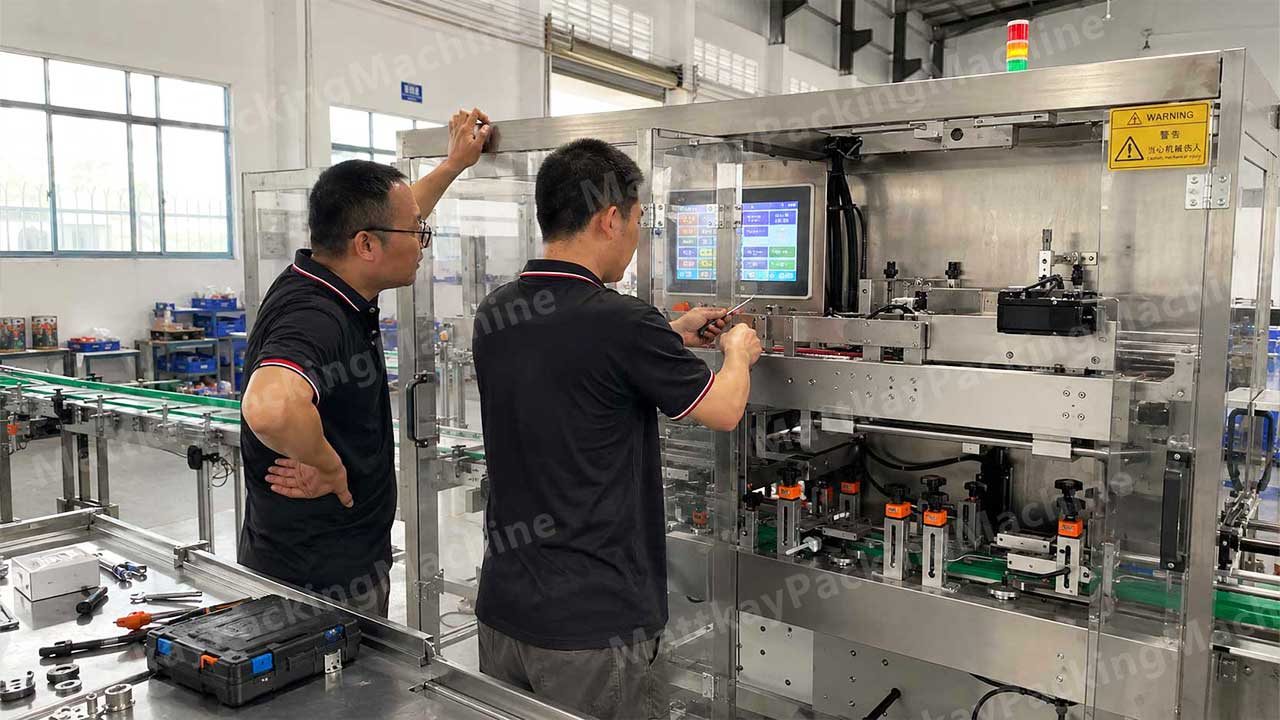
Investing in a cartoning machine can significantly enhance your packaging efficiency. By automating the cartoning process, you’ll reduce labor costs and minimize human error, which can lead to improved product consistency.
These machines speed up packing times, allowing you to meet high demand without sacrificing quality. With the ability to handle various box sizes and shapes, your flexibility increases, enabling you to adapt to changing market needs.
Additionally, cartoning machines often integrate with existing production lines, streamlining operations and saving valuable time. They also improve safety by reducing the need for manual handling of heavy boxes.
Ultimately, you'll enjoy increased productivity, reduced operational costs, and a more organized packaging process that supports your business growth effectively.
When considering the design and engineering of cartoning machines, you'll find that several key factors play a crucial role in their effectiveness and efficiency.
First, the machine’s size and dimensions must fit your production line and accommodate various product shapes.
Next, think about the speed and output capacity needed to meet your demands.
The materials used for construction affect durability and maintenance requirements.
You’ll also want to consider the automation level, as it impacts labor costs and operational complexity.
Moreover, the ease of changing formats for different products should be a priority, ensuring flexibility in production.
Lastly, safety features are essential to protect your operators and ensure compliance with industry standards.
How can you ensure you choose the right cartoning machine for your production needs? Start by evaluating your product type and dimensions.
Consider the speed and volume you require—this will guide you toward machines that can meet your output demands.
Think about the level of automation you need; fully automatic options offer efficiency, while semi-automatic machines might suit smaller operations.
Check compatibility with existing packaging materials and ensure the machine can handle various carton sizes if needed.
It's crucial to assess available features, such as integration with other systems.
Finally, don’t forget to factor in service and support, as a dependable machine warranty and maintenance options are vital for minimizing downtime in your production line.
Cartoning machines are essential for efficient packaging, but they can encounter various issues that disrupt production. Common problems include carton jams, misalignment, and failure to seal properly.
If you notice jams, check for improper carton placement or debris obstructing the path. For misalignment, ensure the machine is calibrated and that cartons are the correct size.
If sealing issues arise, verify that adhesive systems are functioning correctly and that you're using the right materials.
Regular maintenance is crucial; inspecting components, cleaning, and replacing worn parts can prevent many issues. Being proactive about troubleshooting will keep your cartoning machine running smoothly and minimize downtime, leading to more efficient operations.
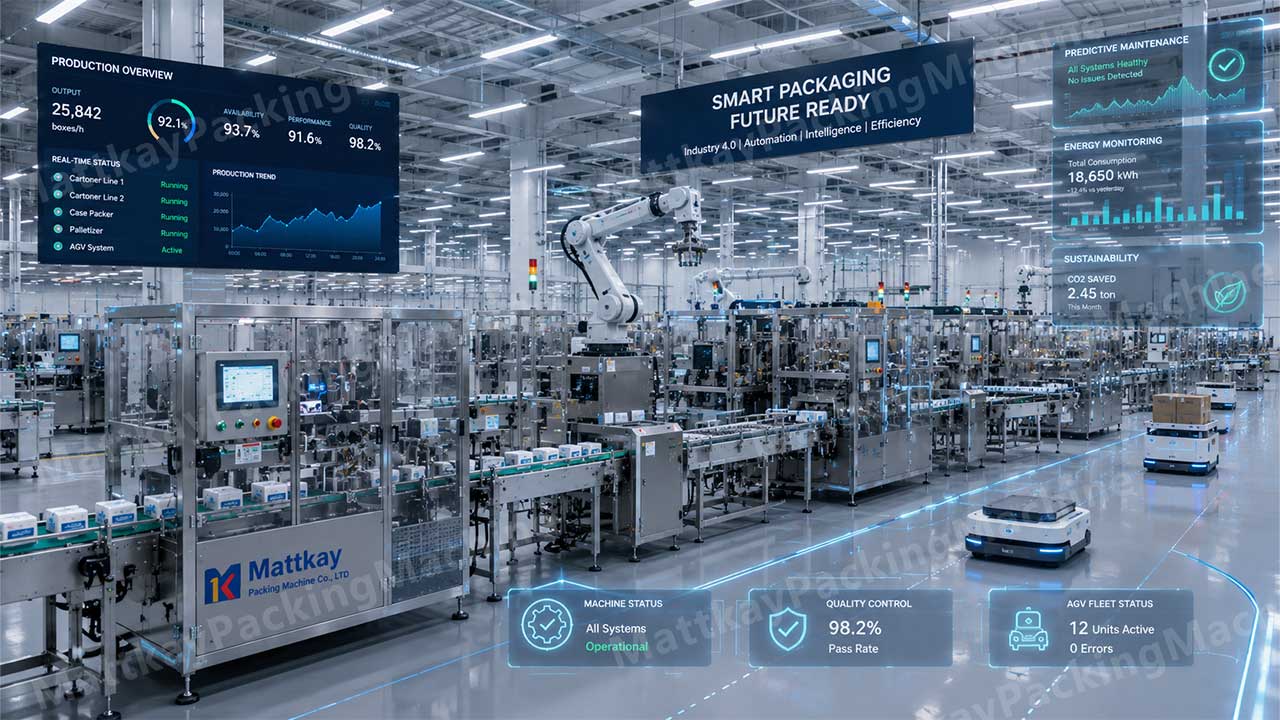
After addressing common issues with cartoning machines, it’s time to look ahead.
The future of cartoning machine technology is exciting, with innovations aimed at enhancing efficiency and sustainability. You'll likely see an increased focus on automation, allowing for faster operation and reduced labor costs.
Integration of artificial intelligence will enable smarter predictive maintenance, minimizing downtime and ensuring peak performance.
Additionally, eco-friendly materials will trend, as manufacturers prioritize reducing waste and environmental impact.
You'll also witness more adaptable systems that can handle a wider variety of packaging designs.
As consumer demands shift, expect cartoning machines to evolve, providing you with greater flexibility and responsiveness in your packaging operations.
Stay tuned for these advancements transforming the industry.
Investing in automatic cartoning machines has become a strategic move for many manufacturers looking to streamline their packaging processes.
These machines enhance efficiency by automating the packaging workflow, reducing labor costs, and minimizing human error. You’ll find that with increased speed and precision, your production rates can significantly rise.
Furthermore, automatic cartoning machines offer versatility, accommodating various package sizes and types, which means you can meet diverse customer demands more effectively.
They also improve product protection and presentation, leading to better shelf appeal.
While you might be familiar with various packaging methods, understanding the role of cartoning machines can transform your operations. These machines streamline the packaging process, ensuring efficiency and consistency. By automating the cartoning procedure, you can significantly reduce labor costs and minimize errors, allowing your team to focus on more critical tasks.
Investing in a cartoning machine offers you the flexibility to handle different product sizes and shapes, ultimately leading to better customer satisfaction.
As you enhance your packaging capabilities, you’ll also strengthen your brand’s presence in the market. Embracing this technology not only modernizes your operations but also positions you for future growth as consumer demands evolve.
It’s time to consider how a cartoning machine can elevate your business.
Understanding the benefits of cartoning machines opens the door to many questions about their operation and features. You might wonder how quickly a cartoning machine can pack products or what types of products it handles best.
Additionally, you could be curious about the maintenance requirements and the initial investment cost. Will it fit into your current production line? Many users ask how automated systems integrate with existing equipment, as well.
Others might seek clarification on the types of cartons it can form and close. It's also common to inquire about the machine’s footprint and energy consumption.
If you have these questions or more, you’re not alone—many businesses seek detailed information to make informed decisions on cartoning solutions.
In today's fast-paced manufacturing world, cartoning machines play a key role in meeting the rising demand for packaging automation.
By enhancing production efficiency, these machines help you streamline your operations and cut costs.
Understanding their fundamental functions and how they integrate into the packaging process is crucial for staying competitive.
Efficiency reigns supreme in today’s manufacturing landscape, driving the need for automation in packaging processes. As you look to streamline operations and meet customer demands, implementing cartoning machines becomes essential. These machines help you save time and reduce labor costs while maintaining consistent packaging quality.
With increased globalization, businesses like yours face mounting pressure to keep up with rapid changes in market trends and consumer preferences. Automation offers flexibility and scalability, allowing you to adapt to varying production volumes effortlessly.
Moreover, as sustainability takes center stage, automated systems can optimize material usage and minimize waste. Embracing packaging automation not only enhances your competitive edge but also positions your brand for long-term growth and success in a fast-paced environment.
Streamlining your packaging process with cartoning machines can significantly boost production efficiency. These machines automate the packing process, reducing manual labor and minimizing errors. By quickly forming cartons and loading products, you’ll see faster turnaround times, which keeps your production line moving smoothly.
Cartoning machines also enhance consistent quality, minimizing product damage and ensuring that each package is securely sealed. This reliability means fewer returns and wasted resources, ultimately saving you money.
Additionally, with real-time monitoring features, you can quickly identify bottlenecks and adjust production to maintain optimal output. Embracing cartoning machines in your operation not only improves speed but also elevates overall productivity, making them essential for modern manufacturing.
A cartoning machine is a vital piece of equipment in the packaging industry, designed to automate the process of forming cartons, loading products, and sealing packages. These machines significantly enhance production efficiency and ensure consistency in packaging.
By streamlining the cartoning process, they reduce the need for manual labor, which minimizes human error and lowers operational costs. Furthermore, cartoning machines can handle various product sizes and carton types, making them adaptable for different industries.
They’re crucial for maintaining high product quality and accelerating the packaging timeline. As consumer demands increase, having a reliable cartoning machine becomes essential for manufacturers aiming to stay competitive in today’s fast-paced market.
Embracing this technology can transform your production line.
Because they automate key processes, cartoning machines play an essential role in modern manufacturing.
These machines streamline the packaging process by efficiently forming, filling, and sealing cartons. This means you can package products faster while reducing labor costs and minimizing human error.
Cartoning machines also enhance consistency and product integrity, ensuring each package meets quality standards. Moreover, they adapt to various product sizes and shapes, making them versatile for different manufacturing needs.
With features like automatic loading and integration with other packaging machinery, they further improve operational efficiency.
Ultimately, using a cartoning machine allows you to keep up with consumer demand while maintaining high productivity and efficiency in your manufacturing line.
Understanding the role of cartoning machines is vital for optimizing your entire packaging process. These machines bridge the gap between product filling and final packaging, ensuring efficiency and consistency.
When you integrate cartoning machines into your manufacturing line, you streamline operations, reduce labor costs, and enhance throughput. They automatically create, fill, and seal cartons, allowing you to maintain a rapid pace while minimizing errors.
By automating this crucial step, you free up your team to focus on other areas of production. Additionally, cartoning machines can efficiently handle various product types and sizes, adding versatility to your packaging capabilities.
In today’s competitive market, their significance in delivering quality packaging can’t be overlooked. Investing in these machines is a smart move for any manufacturer.
While many packaging methods exist, cartoning stands out for its efficiency and versatility in modern manufacturing. Unlike methods like shrink wrapping or blister packaging, cartoning machines provide a structured enclosure that protects your products while presenting them attractively.
Cartoning is ideal for various items, from food to pharmaceuticals, ensuring they’re securely packaged for distribution.
Additionally, cartoning allows for easy branding and information display right on the box, something less feasible with traditional packaging methods. When you utilize a cartoning machine, you streamline your workflow and reduce handling errors, increasing productivity.
In comparison, other methods may require more labor and time, making cartoning a smart choice for manufacturers aiming to meet today’s fast-paced demands.
As you streamline your production line, the product feeding process becomes a crucial aspect of ensuring efficiency in cartoning operations. This process involves the systematic introduction of products to the cartoning machine, significantly improving the speed and accuracy of packaging.
By utilizing automation, you reduce the risk of human error and enhance consistency in product handling. A well-implemented feeding system accommodates various product shapes and sizes, ensuring smooth integration into the cartoning cycle. Additionally, it minimizes downtime by maintaining a constant flow of products, allowing continuous operation.
Ultimately, investing in an effective product feeding process not only boosts productivity but also helps maintain quality control, making it an essential element in modern manufacturing.
Carton feeding and magazine systems are critical components of carton packaging operations, ensuring that your production line runs smoothly and efficiently.
These systems automatically supply cartons to the cartoning machine, minimizing downtime and optimizing workflow. You’ll benefit from a well-designed magazine system, which holds multiple cartons and feeds them in a controlled manner. This not only enhances speed but also reduces manual handling and potential errors.
Moreover, integrating an efficient carton feeding system can help you maintain consistent output, ultimately improving product quality. Overall, investing in these systems means enhanced productivity, reduced labor costs, and a more reliable production process.
It’s an essential aspect of modern manufacturing that you shouldn't overlook.
Unlocking the potential of your packaging line starts with an efficient carton opening mechanism. This crucial feature ensures that your cartons are opened quickly and reliably, streamlining the entire packaging process.
An effective mechanism minimizes downtime and reduces manual handling, allowing your operators to focus on other vital tasks. With various designs available, you'll find options tailored to your specific product types and carton styles.
In today’s fast-paced manufacturing environment, an efficient product insertion process is crucial to maintaining high productivity levels. Cartoning machines excel in automating this step, ensuring that products are quickly and accurately inserted into cartons.
This automation minimizes human error and reduces labor costs, allowing your team to focus on more critical tasks. With precise timing and synchronization, these machines can handle various products, accommodating different sizes and shapes seamlessly.
The result? Faster production rates and more consistent packaging quality. Using a cartoning machine not only streamlines your workflow but also enhances overall operational efficiency, helping you meet customer demands and stay competitive in the marketplace.
Investing in this technology is vital for any modern manufacturing setup.
An efficient product insertion process is just one aspect of how cartoning machines enhance modern manufacturing.
The leaflet insertion system is vital, allowing you to include essential product information quickly and accurately. This feature ensures that every carton contains the necessary instructions, promotions, or safety information, meeting regulatory requirements and enhancing customer satisfaction.
By integrating this system, you save time and reduce manual labor, which can lead to costly errors. Your production line runs smoother, and you can scale operations without sacrificing quality.
With a leaflets' precise placement, you maintain consistent branding and communication with your customers. Investing in cartoning machines with advanced leaflet insertion systems helps you stay competitive in today’s fast-paced market.
Effective carton closing and sealing are crucial components of modern manufacturing, ensuring that products remain secure during transit and storage.
You’ll find that automated cartoning machines streamline this process, providing consistent and reliable sealing with minimal human intervention. By utilizing techniques like hot melt adhesive, tape, or ultrasonic sealing, these machines help maintain product integrity and reduce the risk of damage.
Investing in a quality cartoning machine means you can boost efficiency while also improving safety for your products.
Plus, with customizable features, you can easily adapt your sealing processes for various carton sizes and materials. This adaptability not only speeds up production but also enhances overall supply chain management, making your operations smoother and more reliable.
Optimizing finished product discharge is vital for any production line, and cartoning machines play a key role in this process. They streamline the transition from packaging to distribution, ensuring efficiency and reliability.
When you implement a cartoning machine, you reduce manual handling and minimize errors, which can delay shipping and impact your bottom line. These machines are designed for seamless integration, allowing products to flow smoothly from the packaging station to the final destination.
With precise automation, you can maintain consistent output rates while improving overall workflow. As products are discharged directly into storage or transport containers, you save time and labor costs, ultimately enhancing your operational efficiency.
Investing in cartoning solutions keeps your production line competitive and responsive to demand.
A strong machine frame structure significantly impacts the performance and durability of cartoning machines in modern manufacturing. It ensures stability during high-speed operations, minimizing vibrations that could lead to wear and tear. When you invest in a robust frame, you enhance the overall reliability of your production line.
A well-designed structure also allows for easier maintenance and part replacement, helping you save time and reduce downtime. Additionally, a rigid frame can support greater weight loads, accommodating advanced technology and components.
In today's fast-paced manufacturing landscape, an efficient product feeding system is vital for the seamless operation of cartoning machines. It ensures that products are supplied continuously and accurately into the cartoning process, significantly reducing downtime.
This system can handle various product types and sizes, making it adaptable to different manufacturing needs. By automating the feeding process, you minimize human error and improve overall efficiency.
Plus, an optimized feeding system can enhance product alignment, ensuring that every item is correctly positioned for packaging. When you invest in a quality feeding system, you're not just streamlining operations; you're also enhancing productivity and maintaining high standards in quality control, crucial for staying competitive in today’s market.
The efficiency of a product feeding system lays the groundwork for why cartoning machines play a pivotal role in modern manufacturing. At the heart of this process is the carton magazine, an essential component that stores and supplies cartons to the cartoning machine.
By holding multiple cartons, it ensures a continuous flow, minimizing downtime and maximizing productivity. You’ll appreciate how this system allows for quick changes between carton sizes and styles, tailoring to various products effortlessly.
Additionally, an organized carton magazine reduces handling errors, leading to fewer product reworks. Overall, this vital element streamlines operations, supports high-speed packaging, and contributes to the overall efficiency of your manufacturing process, making it indispensable in today’s fast-paced market.
How crucial is the carton erecting unit in enhancing the efficiency of your packaging operation? This essential component automates the process of forming flat cartons into their desired shape, saving you time and labor.
With its precise folding and forming mechanisms, it ensures consistent carton quality, reducing the risk of product damage during packaging.
You’ll find that an efficient erecting unit minimizes downtime, allowing your production line to operate smoothly and quickly.
By integrating this unit into your system, you reduce manual handling and increase throughput.
Plus, its adaptability means it can handle various carton sizes, catering to your diverse packaging needs.
Streamlining your packaging process hinges on an effective product loading mechanism. This crucial component ensures that your products are accurately and efficiently loaded into cartons, minimizing human error and reducing labor costs.
With an automated loading system, you can boost your production speed and maintain consistent quality. Advanced sensors and feeders seamlessly align products, optimizing spacing and orientation for ideal packing. This means you can handle varying product sizes and shapes without sacrificing performance.
Plus, by investing in modern cartoning machines, you’ll significantly reduce downtime and improve overall workflow. Ultimately, an efficient product loading mechanism not only enhances your packaging operations but also supports your commitment to quality and customer satisfaction in today’s competitive market.
A reliable carton closing device is vital to the efficiency of modern manufacturing. It ensures that your packaged products remain secure during transport and storage, reducing the risk of damage.
By automating the sealing process, you can significantly increase production speed and maintain consistent quality, which saves you time and labor costs. These devices typically use adhesive, tape, or locking mechanisms, allowing you to choose the best option for your specific products.
Investing in a high-quality carton closing device also helps minimize waste by ensuring a tight seal, thus preventing the ingress of dust or moisture. With increasing consumer demands for reliability, having an efficient carton closing device is essential for staying competitive in today’s market.
The backbone of modern cartoning machines lies in the PLC (Programmable Logic Controller) control system, which plays a crucial role in enhancing operational efficiency.
By automating various tasks, the PLC allows you to streamline processes, reducing manual labor and minimizing errors. You'll find that these systems enable quick adjustments to production lines, making it easy to accommodate different carton sizes or configurations.
Moreover, PLC systems provide real-time monitoring and data collection, helping you maintain optimal performance and troubleshoot any issues promptly. This level of control not only improves productivity but also ensures consistency in your packaging operations.
With a reliable PLC in place, your cartoning machine can adapt seamlessly to your manufacturing needs, keeping you competitive in the market.
Many manufacturers rely on servo motor systems in their cartoning machines to boost precision and efficiency. These advanced motors provide quick and accurate movements, ensuring that every carton is correctly formed and sealed.
With adjustable speeds and torque, servo motors allow you to tailor operations for various products, increasing versatility in your production line. You can reduce waste by minimizing errors and improving overall quality.
Additionally, servo systems enhance automation, enabling your cartoning machines to operate seamlessly with minimal human intervention. This leads to faster production rates and can significantly reduce labor costs.
Regular maintenance of these components is essential for keeping your cartoning systems safe and effective. Plus, many manufacturers are required to comply with safety standards, and having robust safety measures not only protects your employees but also your company from legal issues.
In today's fast-paced manufacturing landscape, vertical cartoning machines play a pivotal role in streamlining packaging processes. These machines efficiently assemble cartons, load products, and seal everything up in a compact, vertical format.
You’ll find that their space-saving design allows for easy integration into production lines without compromising workflow. With a focus on speed and accuracy, vertical cartoning machines minimize human error and enhance productivity. They’re perfect for a wide range of products, from pharmaceuticals to food items, ensuring each carton is securely filled and sealed.
By integrating horizontal cartoning systems into your production line, you can enhance productivity, reduce labor costs, and improve overall efficiency.
These machines are known for their quick changeovers and flexibility, allowing you to adapt to different products or packaging requirements easily.
Investing in a horizontal cartoning machine not only streamlines your operations but also ensures your products are packaged securely and attractively, making a significant impact on your bottom line.
While many factors contribute to the efficiency of modern manufacturing processes, top-load cartoners stand out as a vital component for businesses aiming to streamline packaging operations.
These machines excel in loading products into cartons from the top, allowing for greater versatility and accommodating various shapes and sizes. You’ll find that top-load cartoners can significantly increase speed and accuracy in packaging, minimizing handling time and reducing errors.
They also provide an efficient solution for packing multiple products simultaneously, which improves overall productivity.
Moreover, their durable construction and easy integration into existing production lines make them a smart investment.
You might be curious about the differences between semi-automatic and fully automatic systems, as each offers unique advantages.
Understanding these options will help you find the right fit for your production line.
These machines operate by stopping at specific intervals, allowing products to be precisely inserted into upright cartons. You’ll find that this method provides excellent control over the packaging sequence, minimizing the risk of jams or misaligned cartons.
With adjustable speeds, you can easily optimize output for varying production needs. Additionally, the design ensures that the cartons remain stable during operation, enhancing the reliability of the packaging process.
Ideal for products requiring careful handling, intermittent motion cartoners maintain quality while offering flexibility. They’re particularly advantageous for smaller batches or frequent product changes, making them highly versatile in diverse manufacturing settings.
For high-speed production lines, continuous motion cartoners offer an efficient solution.
These end-load cartoners keep pace with fast production rates, filling and sealing cartons without interruption. You’ll find they maintain a smooth flow, ensuring minimal downtime. They’re particularly useful for various products, from food items to pharmaceuticals.
As cartons are continuously fed into the system, you’ll appreciate how quickly they get packed, leading to increased productivity. Their design allows for precise alignment, reducing the risk of misalignment and ensuring a reliable sealing process.
Additionally, with high adaptability, you can easily switch between different carton sizes, enhancing flexibility on your production line.
Investing in continuous motion cartoners could streamline your operations and boost overall efficiency.
You’ll appreciate its ability to handle various carton sizes and types, allowing flexibility in your operations.
With easy setup and adjustable settings, you can quickly adapt to different production requirements.
Ideal for mid-to-low production volumes, a semi-automatic cartoner helps optimize your output while ensuring quality.
It’s a smart choice if you’re looking for a balance between hands-on work and automation in your cartoning process.
Fully automatic cartoners, specifically end-load cartoners, streamline the packaging process by fully integrating carton loading and sealing into one efficient system.
These machines handle cartons from formation to sealing without requiring manual intervention. You’ll find that end-load cartoners pick up flat cartons, automatically erect them, and fill them with products at high speeds.
This setup is perfect for industries that demand swift and precise packaging, such as food, pharmaceuticals, and personal care products. With sensors and advanced technology, these cartoners ensure each carton is filled accurately and sealed securely.
They reduce labor costs, improve efficiency, and maintain consistent quality, allowing you to focus more on your core business and less on manual packaging tasks.
While fully automatic cartoners excel in efficiency and speed, semi-automatic systems offer a different approach to packaging that can still meet various business needs.
One key difference is the level of operator involvement; semi-automatic systems require more hands-on management. You’ll need to load, adjust, and monitor the cartoning process, which can make them more adaptable to changes in product size or type.
Automatic systems, on the other hand, streamline these tasks, allowing for continuous operation with minimal human intervention. Additionally, semi-automatic systems often come at a lower initial investment, making them an attractive option for smaller businesses or those just starting with cartoning.
Ultimately, the right choice hinges on your specific production requirements and operational goals.
When considering the best cartoning solution for your factory, how do end-load cartoners fit into the equation? If you’re prioritizing efficiency and flexibility, end-load cartoners can be an excellent choice. They handle a range of product shapes and sizes, making them adaptable for various industries.
Their design allows products to be loaded from the end, which can streamline your packaging process and reduce downtime.
Moreover, if your production requires quick changeovers, end-load cartoners excel in this area as well. They’re often user-friendly and easier to maintain, helping you keep your factory running smoothly.
Ultimately, whether you choose end-load cartoners depends on your specific needs, but they’re worth considering for their versatility and efficiency.
End-load cartoners are particularly valuable in the food packaging industry, where speed and efficiency are critical.
These machines enable you to pack a variety of food products quickly while ensuring they maintain freshness and avoid contamination.
With their ability to handle different sizes and shapes, end-load cartoners can accommodate a wide range of items—from frozen meals to snack foods.
In the pharmaceutical industry, end-load cartoners play a crucial role in ensuring that medicines and health products are packaged quickly and securely. These machines efficiently load cartons from the end, accommodating various sizes and shapes of products.
You’ll appreciate their ability to enhance production speed while maintaining strict quality control. End-load cartoners can easily integrate with other systems, like filling and labeling, streamlining your entire packaging line.
They minimize human error and reduce the risk of contamination, which is vital for pharmaceutical products. Moreover, these machines comply with stringent regulations, assuring consumers of safety.
Investing in an end-load cartoner can elevate your packaging efficiency, protect your products, and ultimately support your brand's reputation in the marketplace.
As the demand for cosmetic and personal care products continues to soar, packaging efficiency becomes increasingly important. End-load cartoners are ideal for this industry, allowing you to streamline your packaging process without sacrificing quality or speed.
These machines can handle a variety of product shapes and sizes, ensuring that your items fit perfectly into cartons. With their ability to quickly and accurately load products, end-load cartoners help you meet consumer expectations while optimizing your production line.
They also offer customization options, letting you adapt based on your branding and product requirements. By investing in an end-load cartoner, you’ll enhance your packaging efficiency and keep up with the fast-paced demands of the cosmetic and personal care markets.
When it comes to packaging medical devices, efficient and reliable solutions are crucial for ensuring product integrity and compliance.
End-load cartoners are ideal for this purpose, offering a streamlined process that keeps your products safe and secure. These machines load devices from the end of a carton, minimizing handling and reducing the risk of damage. You'll appreciate how quickly they adapt to various product sizes and shapes, making them versatile for different medical items.
Moreover, automated features enhance speed and accuracy, helping you meet regulatory standards.
End-load cartoners aren't just limited to medical device packaging; they also excel in the consumer goods sector. These machines streamline your packaging process, making it efficient and cost-effective.
Whether you're dealing with food items, household products, or personal care goods, end-load cartoners adapt to various shapes and sizes, ensuring your items are securely packaged. They minimize manual labor and reduce the potential for errors, which can be crucial in high-demand environments.
Plus, with features like adjustable speeds and integration with other systems, you can maintain a smooth workflow. Investing in an end-load cartoner means you’re prioritizing not only quality and efficiency but also enhancing your product’s market appeal, making it a smart choice for your business.
The packaging of electronics and hardware demands precision and care, and that's where end-load cartoners shine. These machines efficiently load products, like batteries, cables, or small devices, into cartons, ensuring they fit snugly and securely.
Using an end-load approach, you can easily integrate various sizes and shapes, maintaining the integrity of your items during packaging.
With fast cycle times, end-load cartoners enhance productivity, allowing you to meet demanding production schedules. They also offer features like adjustable speeds and easy changeovers for different products.
Furthermore, you can customize the packaging for branding or safety needs. By investing in an end-load cartoner, you can protect your electronics while increasing your operational efficiency—making it a smart choice for any hardware packaging line.
For the toy and stationery industry, end-load cartoners provide a perfect solution to ensure products are packaged with care and efficiency.
These machines are designed to handle various sizes and shapes, accommodating everything from action figures to art supplies. By using end-load cartoners, you can simplify your packaging process, reducing labor costs while improving throughput.
The adaptability of these machines allows for quick changeovers, so you can seamlessly switch between different product types without significant downtime.
This versatility means you can meet varying demands in the fast-paced toy and stationery market.
Plus, the precision of end-load cartoners helps maintain product integrity, ensuring your items arrive at retail shelves in pristine condition.
Using these systems can significantly reduce labor costs while boosting productivity.
Plus, they help create a visually appealing package that enhances your brand’s image.
Streamlining your packaging process with end-load cartoners can make a significant impact on efficiency when dealing with bottles and jars.
These machines enable quick and effective carton formation, allowing you to pack products swiftly without sacrificing quality. With their ability to handle various sizes, you can easily adjust the settings for different bottle shapes and jar heights, accommodating all your packaging needs.
The design of end-load cartoners ensures that bottles and jars are loaded securely, reducing the risk of damage during transport. Plus, their automated nature minimizes labor costs and boosts production speeds.
When you're packaging blister packs, end-load cartoners can greatly enhance efficiency and reliability in your operations.
These machines are designed to handle the unique shape and structure of blister packs seamlessly. With their intuitive design, you can load the packs from the end, ensuring a smooth and fast packaging process. This method minimizes product handling and reduces the risk of damage, which is crucial for delicate items.
Moreover, end-load cartoners can adapt to various sizes, making them versatile for your packaging needs. By investing in an end-load cartoner, you not only streamline operations but also boost productivity, allowing you to meet customer demands swiftly while maintaining a high standard of quality in your packaging.
End-load cartoners are perfect for packaging tubes and cosmetic products, offering efficiency and reliability throughout the process.
These machines work by forming cartons, which are then loaded with products from the back. You can easily set them up to accommodate different tube sizes and shapes, ensuring seamless transitions between products.
With their high-speed operation, end-load cartoners help you keep pace with production demands while maintaining quality control. They minimize product handling, reducing the risk of damage and contamination.
Plus, the compact design allows you to optimize your factory layout without sacrificing performance.
Implementing an end-load cartoner into your packaging line means you're investing in streamlined processes that enhance productivity and meet consumer expectations in the cosmetic industry.
For any food packaging operation focusing on frozen products, an end-load cartoner is an invaluable asset.
These machines streamline the packaging process, ensuring your products maintain freshness and quality while providing efficient handling.
With an end-load cartoner, you can easily load boxes from the end, accommodating various sizes and shapes of frozen items, such as pizzas, veggies, or ready-meals.
You benefit from enhanced speed and accuracy, reducing labor costs and minimizing the risk of product damage.
Plus, these machines often feature adjustable settings, allowing you to switch between different product lines seamlessly.
Investing in an end-load cartoner means your frozen food products are packaged efficiently, ensuring they reach consumers in peak condition.
In the realm of household product packaging, end-load cartoners play a crucial role in efficiency and versatility. These machines are specifically designed to handle a variety of items, from cleaning supplies to personal care products. With their ability to accommodate different shapes and sizes, you can adapt your packaging process to meet the demands of your product line.
End-load cartoners load products through the end of the carton, ensuring a smooth and streamlined operation. You'll appreciate their quick changeover features, which minimize downtime and keep your production line running seamlessly.
When it comes to packaging electronic accessories, end-load cartoners offer outstanding adaptability to meet the unique demands of this fast-paced market.
These machines efficiently manage various product sizes and styles, ensuring that your gadgets, cables, and components are securely packaged.
With quick changeovers, they allow you to switch between packaging different items without lengthy downtime, which is vital in an ever-evolving tech industry.
The automation simplifies the process, reducing labor costs and minimizing human error.
Plus, end-load cartoners can easily integrate with existing production lines.
This makes them an ideal choice for manufacturers looking to streamline operations and enhance productivity.
When you invest in cartoning machines, you'll see a significant boost in production speed that directly impacts your bottom line.
Faster processing helps reduce labor costs, improve packaging consistency, and lower waste.
Plus, with better product protection, managing production becomes much easier for you.
Investing in cartoning machines can significantly cut labor costs while boosting production speed. When you automate your packaging process, you reduce the need for manual labor, which can be both time-consuming and costly.
Fewer employees are needed to handle packaging tasks, allowing you to redirect your resources toward more strategic areas of your business. This not only helps your bottom line but also increases overall efficiency.
Plus, with machines working at a consistent pace, you can meet production demands without overworking your staff. By streamlining operations, you create a smoother workflow that enhances productivity.
As a result, you’re not just saving money; you’re optimizing your entire production process for better performance and profitability.
As you embrace cartoning machines, you'll notice a significant uptick in packaging consistency alongside increased production speed. These machines efficiently handle cartons, ensuring each package is sealed tightly and looks uniform.
This consistency reduces the likelihood of errors that can arise with manual packing, where human variability often impacts the quality of packaging. With precise automation, you'll find that your products are consistently presented to customers, enhancing your brand's reputation.
Moreover, the speed at which these machines operate allows you to meet rising demand without compromising quality. You'll see less downtime due to packing issues, ultimately streamlining your entire production process.
Emphasizing efficiency and uniformity, cartoning machines truly transform your packaging operations for the better.
While you'll benefit from increased production speed with cartoning machines, you'll also notice a significant reduction in packaging waste.
These machines efficiently utilize materials, ensuring that every inch of packaging is maximized. You won’t have to worry about excess material that often ends up in landfills, as cartoning systems are designed to optimize your resources.
With precise alignment and reliable seals, you’ll minimize overuse of cardboard, plastic, and adhesives. This not only cuts costs but also helps your business meet sustainability goals.
By adopting automation in your packaging process, you’ll create an eco-friendlier operation that appeals to environmentally conscious consumers.
It’s a win-win for your productivity and the planet!
In today’s fast-paced market, efficient cartoning machines not only boost production speed but also enhance product protection. When you implement an automatic cartoning system, you’re ensuring that your products are securely packaged with minimal risk of damage during transit.
These machines are designed to fit products snugly, reducing movement and preventing product breakage. Additionally, with faster packaging speeds, you can maintain the integrity of your products, minimizing exposure to environmental factors.
This reliability means fewer returns and higher customer satisfaction. You can confidently focus on scaling your production without worrying about damaged goods. Investing in modern cartoning technology means you'll achieve both speed and safety, ensuring that your products reach consumers in peak condition, ready for the marketplace.
With automated cartoning machines, you’ll find managing production becomes significantly easier due to increased speed and efficiency. These machines work tirelessly, allowing you to pack products at a remarkable pace, reducing cycle time and boosting overall output.
You'll notice fewer bottlenecks in your workflow, making it simpler to meet tight deadlines and changing demands. The streamlined processes mean you can allocate resources more effectively, ensuring your workforce focuses on higher-value tasks.
Additionally, real-time performance monitoring allows you to quickly identify and address issues, further enhancing productivity. By minimizing manual labor and reducing the potential for human error, automated cartoning machines enable you to achieve consistent results, helping your operations run smoothly and efficiently.
As production speeds increase, what you present to your customers becomes even more important. You need to ensure your brand stands out in a crowded marketplace.
With an automatic cartoning machine, you can achieve eye-catching packaging that highlights your product's unique features. The ability to customize designs, colors, and graphics allows you to convey your brand message effectively.
Fast and efficient packaging processes mean you can focus on enhancing other aspects of your marketing strategy while maintaining product quality and consistency. Additionally, improved packaging can drive consumer interest and boost sales.
Investing in a cartoning machine not only streamlines production but also elevates your brand’s presentation, helping you connect with your audience and leave a lasting impression.
A robust machine structure and frame design play a crucial role in maximizing production speed in cartoning operations. When you're considering a cartoning machine, think about how stability and durability contribute to seamless performance. A well-engineered frame minimizes vibrations and ensures that all components work effectively together, preventing delays due to mechanical issues.
Using high-quality materials enhances the overall longevity and reduces maintenance needs, which means less downtime for you. Additionally, a compact and efficient design allows for easier integration into existing production lines, facilitating a quick setup.
When your machine operates at peak efficiency, you can significantly boost your output, meeting increasing demands without sacrificing quality. Prioritizing solid machine structure pays off in faster, more reliable cartoning solutions.
To keep production speeds high, the feeding system design in your cartoning machine must be efficient and reliable. A well-structured feeding system minimizes downtime by ensuring that materials are consistently fed into the machine without interruptions.
Opt for automatic loading mechanisms that can quickly adapt to varying product sizes and shapes, allowing you to maintain a swift workflow.
Consider incorporating a vibration or conveyance system that evenly distributes items, reducing the likelihood of jams. A precise and adjustable alignment feature will also help in maintaining speed, ensuring products are correctly positioned as they enter the cartoning process.
Ensuring carton compatibility is crucial for maintaining high production speeds in your cartoning line. When your cartons are perfectly matched to the machine's specifications, you'll minimize downtime and reduce errors during operation.
It’s essential to evaluate factors like size, material, and design to ensure a seamless fit. This compatibility allows for faster feeding, folding, and sealing processes, boosting your overall efficiency.
If you constantly face jams or misalignments, it can slow down production and lead to costly delays. By selecting cartons that align with your equipment's requirements, you'll not only achieve higher output rates but also enhance the reliability of your operations.
Always prioritize carton specifications to keep your production running smoothly and efficiently.
When it comes to enhancing production speed in cartoning lines, the choice between servo and cam-driven systems can significantly impact your operations.
Servo-driven systems offer precise motion control and can operate at higher speeds while maintaining accuracy, perfect for high-demand environments. They allow for quick adjustments, reducing downtime between runs.
On the other hand, cam-driven systems are known for their robust and straightforward design, providing reliable speeds and consistent performance. However, they mightn't match the flexibility and adaptability of servo systems.
Ultimately, if speed and precision are your top priorities, a servo-driven system could be the right choice for you. Weigh the advantages and consider what aligns best with your production goals.
Changeover flexibility plays a crucial role in boosting production speed, especially in fast-paced environments. When you can quickly adjust your cartoning machine to accommodate different product sizes or packaging styles, you minimize downtime and keep your operations running smoothly.
Automating changeovers streamlines the process, allowing you to shift from one product to another in mere minutes rather than hours. This agility means you can respond to market demands without sacrificing efficiency.
Plus, a well-designed cartoning system with easy changeover capabilities ensures that you're not just producing faster, but also maintaining high-quality output. Ultimately, investing in flexibility enhances your production speed, making your business more competitive and profitable in today’s rapidly changing market.
As your production speed increases, adhering to hygiene and safety standards becomes even more critical. You need to ensure that your cartoning machines maintain cleanliness to prevent contamination. Regularly inspect and clean all equipment, focusing on areas where products are handled.
Implement strict sanitation protocols, including handwashing for employees and sanitizing surfaces frequently. Train your staff on hygiene best practices, emphasizing the importance of their role in maintaining safety standards during high-speed operations.
Additionally, consider using materials that resist bacteria, which can help reduce risks. By prioritizing hygiene and safety, you not only protect your products but also enhance your brand's reputation, ensuring compliance with regulations and instilling consumer confidence in your operations.
Integrating cartoning machines with your packaging lines significantly boosts production speed and efficiency. By streamlining the process, you reduce manual labor and human error, allowing your operation to run smoothly.
These machines can automatically erect, fill, and seal cartons, which means less downtime and more output. You'll find that your workflow becomes more cohesive, as cartoning machines seamlessly interact with other packaging components, such as fillers and labelers.
This integration not only enhances speed but also maintains product integrity, as the entire process is quicker and more controlled.
With increased throughput, you'll meet growing demands and improve overall profitability. Ultimately, an efficient cartoning system helps you stay competitive in the fast-paced market.
When evaluating product characteristics, increased production speed stands out as a critical factor for success.
You’ll want a cartoning machine that can keep pace with your production demands. Higher speeds not only maximize output but also enhance overall efficiency, leading to cost savings.
With an automatic cartoning system, you’ll experience streamlined operations that minimize downtime, ensuring your products get to market faster. This increase in speed allows you to respond to consumer demand and adjust quickly to market trends.
Moreover, a faster cartoning process reduces labor costs and potential errors, allowing your team to focus on more complex tasks.
Ultimately, selecting a machine that emphasizes production speed is vital for achieving your business goals.
To determine your production speed requirements, it's essential to assess both your current output and anticipated growth. Start by analyzing how many cartons you produce per hour with your existing setup.
Consider any seasonal demands or planned product expansions that might influence your needs. You want to ensure your cartoning machine can handle not just your current volume but also future increases without sacrificing quality.
Evaluate if your production speeds align with market requirements; gaps might necessitate upgrading to a faster machine.
Establish clear targets based on your findings, and consult with manufacturers to identify options that can efficiently meet or exceed those expectations. By doing this, you’ll position your operation for success in a competitive landscape.
Carton sizes and styles play a crucial role in optimizing production speed.
When you select the right cartons for your products, you streamline the packaging process, reducing delays and bottlenecks. Consider standard sizes that can accommodate multiple products; this flexibility can help maintain flow and minimize changeover time.
Additionally, choosing the right style, whether it's tuck-end, seal-end, or display cartons, can influence how quickly your machine operates.
Assessing factory space availability is essential for maximizing production speed, as limited space can hinder the efficiency of your cartoning operation.
You'll want to ensure that there's adequate room for your cartoning machine, as well as the necessary workflow around it. This means considering not only the footprint of the machine itself but also the space needed for loading materials and unloading finished products.
Additionally, efficient use of vertical space can enhance your factory's layout.
Position your cartoning machine to facilitate a smooth flow of product to and from it, minimizing travel time for operators.
While planning your cartoning operation, it's crucial to evaluate your future expansion plans to ensure increased production speed aligns with your long-term goals.
Think about your projected growth rate and how that might affect your needs for packing capacity. You'll want a cartoning machine that not only meets your current demands but can also scale up efficiently as your production volume rises.
Research flexible automation options that adapt to changes in product lines or output speeds. Consider collaborating with your team to assess potential bottlenecks and how the new cartoning system can overcome them.
Selecting the right cartoning machine means comparing features and technology that significantly impact production speed. High-speed models can dramatically increase your output, allowing you to meet growing demand.
Look for machines with automated adjustments and sensors that optimize the packaging process, reducing downtime. Faster carton erecting, filling, and sealing capabilities can also enhance efficiency.
Consider systems that integrate seamlessly with your existing production lines and include user-friendly interfaces for quick operation. Machines equipped with advanced technology, like vision systems, help ensure quality control without slowing down the workflow.
Ultimately, choosing the right features can make all the difference in maximizing your production speed and maintaining a competitive edge in the market.
When evaluating potential suppliers for cartoning machines, it’s crucial to consider their experience and the level of support they offer, as these factors can significantly influence your production speed.
An experienced supplier understands your industry’s nuances and can recommend solutions that improve efficiency. You'll want to look for suppliers who've a proven track record, as this often translates to reliability and performance.
Additionally, strong customer support is essential. Quick response times, technical assistance, and training can help you avoid downtime and keep your production line moving.
When jams occur, they disrupt the entire workflow, forcing operators to halt operations, troubleshoot, and resume production. You might experience delays as workers clear the jams, which can stack up and impact your bottom line.
To combat this, regularly maintain your cartoning machine and keep an eye on alignment, speed settings, and carton quality. Ensure you’re using suitable carton sizes and materials to minimize the risk of jamming.
Achieving increased production speed often hinges on addressing feeding instability in your cartoning operations. When the feed system struggles, it can lead to delays, resulting in decreased efficiency.
To combat this, ensure that your product feed alignment is precise and consistent. Regularly inspect and clean your feeders to eliminate any obstructions or wear that could impact performance. Additionally, fine-tune the speed settings to match your carton supply rate, preventing any gaps or jams.
Investing in modern feed equipment can also enhance stability, providing you with smoother operation and less downtime. By proactively managing these factors, you’ll optimize your production speed and maintain a seamless workflow in your cartoning process.
You might end up reworking incorrect inserts, which wastes time and resources. Additionally, frequent errors can create a bottleneck in your workflow, as operators scramble to resolve issues.
To combat this, ensure your machine is properly calibrated and maintained. Monitoring performance can help identify patterns in insertion failures, allowing you to address problems proactively.
Streamlining your operations not only reduces these errors but also boosts your overall output, letting you meet market demands effectively and efficiently.
When product insertion errors disrupt your workflow, carton opening failures can exacerbate the issue, making it even harder to maintain increased production speed.
These failures often stem from issues like improper carton alignment or insufficient opening mechanism adjustments. As a result, your operators might waste valuable time troubleshooting instead of focusing on productive tasks.
Sometimes, unnoticed sensor detection problems can hinder your production speed, creating unexpected bottlenecks in the workflow. These sensors play a crucial role in recognizing carton positions and ensuring proper alignment.
If they malfunction or become obstructed, you might face delayed operations and increased downtime. Regularly inspecting and calibrating these sensors will help you catch issues early. You should also train your staff to identify and troubleshoot potential sensor problems quickly.
Consider implementing an automated alert system that notifies you of detection failures, so you can address them immediately. By prioritizing sensor maintenance and timely intervention, you'll streamline your cartoning process, reduce delays, and boost overall efficiency, ultimately enhancing your production speed and output quality.
When it comes to preventive maintenance, integrating smart manufacturing and Industry 4.0 technologies can optimize your cartoning machines' performance.
Utilizing AI-based inspection systems and servo-driven automation not only reduces downtime but also enhances efficiency.
Plus, combining robotic product feeding and sustainable packaging practices ensures your operations remain competitive and environmentally friendly.
As manufacturers embrace Smart Manufacturing and Industry 4.0, adopting preventive maintenance best practices becomes crucial for maximizing uptime and efficiency. You should implement real-time monitoring systems to track equipment performance and detect issues before they lead to failures.
Regularly schedule maintenance based on data analytics rather than guesswork, ensuring you're addressing potential problems early. Train your team to adopt a proactive mindset, encouraging them to report any anomalies they notice during operations.
Utilize predictive maintenance tools to forecast when machinery will need servicing. Finally, prioritize clear communication among all departments to share insights and improvements, fostering a culture of continuous enhancement.
These steps won't only enhance your cartoning operations but also contribute to your overall manufacturing success.
Integrating AI-based inspection systems into your cartoning operations can significantly enhance preventive maintenance practices. These advanced technologies analyze real-time data from your machinery, identifying potential issues before they escalate into major problems.
By implementing these systems, you can maintain optimal performance and reduce downtime.
AI can predict when components are likely to fail, allowing you to schedule maintenance precisely when it’s needed. This proactive approach not only saves time and costs but also extends the lifespan of your equipment.
Moreover, using AI for visual inspections helps you catch defects that might be overlooked by the human eye, ensuring your products meet the highest quality standards.
Embrace AI to create a more efficient and reliable cartoning operation.
How can servo-driven automation transform your cartoning processes? With precise control and flexibility, servo systems enhance speed and efficiency in your production line.
To keep these systems running smoothly, establish a preventive maintenance schedule. Regularly inspect motors, drives, and belts for wear and alignment issues. Lubricate moving parts to reduce friction and prevent overheating.
Ensure software updates are applied, which can improve performance and reliability. Don't overlook the importance of cleaning around the machinery; debris can cause malfunctions.
Train your team to recognize early signs of failure, like unusual noises or vibrations. By implementing these best practices, you’ll maximize uptime and extend the life of your servo-driven cartoning machines, ultimately saving costs and boosting productivity.
In robotic product feeding, maintaining the machines is crucial for optimal performance and reliability.
Regularly inspect and clean the equipment to prevent buildup that might hinder operation. Check for wear and tear on components such as belts, gears, and sensors—replace any faulty parts immediately to avoid costly downtime.
It’s also essential to lubricate moving parts as per manufacturer guidelines to ensure smooth functioning.
Schedule routine maintenance checks to identify potential issues before they escalate. Additionally, train your staff on proper usage and troubleshooting techniques to empower them in managing minor issues.
Keeping a detailed maintenance log helps track performance and aids in future planning. Following these preventive measures can enhance your robotic feeding system’s longevity and efficiency.
As businesses strive for eco-friendliness, incorporating sustainable packaging practices into your cartoning machines is essential for both environmental and operational efficiency. Start by choosing biodegradable or recyclable materials that align with your company’s sustainability goals.
Regularly inspect and maintain your cartoning equipment to ensure optimal performance with these materials, as they may have different handling requirements compared to traditional packaging.
Train your staff on best practices for operating your machines with sustainable materials to minimize waste. Consider adjusting machine settings to reduce energy consumption while maintaining product integrity.
While implementing fully connected packaging lines offers numerous benefits, maintaining them requires a proactive approach to preventive maintenance. To keep your systems running smoothly, schedule regular check-ups on all machinery, including cartoning machines, to identify potential issues before they escalate.
Utilize predictive maintenance software to monitor equipment performance and predict failures, ensuring minimal downtime. Train your team to recognize warning signs of wear and tear, so they can address minor problems quickly.
Keep a detailed maintenance log, documenting all repairs and inspections for future reference. Lastly, collaborate with your equipment suppliers for recommended maintenance schedules and updates, reinforcing the longevity and efficiency of your fully connected lines.
Prioritize these practices, and your packaging operation will thrive.
Regular maintenance reduces downtime and keeps your equipment running smoothly, which can save you labor costs in the long run. Train your staff to perform routine checks, such as lubrication and inspections, on the machines.
Create a maintenance schedule to ensure that tasks aren’t overlooked. Encourage open communication among operators to share observations and address potential issues quickly.
When higher production requirements demand increased output, effective preventive maintenance for your cartoning machines becomes essential. Regularly inspecting and servicing your machines helps prevent unexpected breakdowns that can disrupt production.
Start by creating a maintenance schedule that includes routine checks on key components like belts, sensors, and motors. Always ensure lubrication is up to par, as this can prolong machine life and efficiency.
Document any repairs or parts replacements to track performance issues. Train your team to recognize early signs of wear or malfunction, so they can act swiftly before problems escalate.
As you strive to meet improved packaging quality standards, implementing preventive maintenance best practices for your cartoning machines becomes crucial.
Regularly inspect and clean components to prevent dust and debris from affecting performance.
Schedule routine checks for wear and tear on critical parts, like belts and hinges, ensuring everything runs smoothly.
You should also calibrate your machines periodically to maintain precision, which directly impacts the quality of your packaging.
Train your operators to identify early signs of malfunction, as their insights can save time and prevent costly errors.
Embracing automation in your cartoning processes can significantly enhance your competitiveness in the global market. By investing in advanced cartoning machines, you’ll streamline operations and increase efficiency, allowing you to respond quickly to market demands.
However, automation comes with its own challenges, including the need for ongoing maintenance. Implementing preventive maintenance best practices is crucial to keep your machines running smoothly. Regularly inspect and service equipment to prevent unexpected breakdowns, which can lead to costly downtimes.
Training your staff on proper maintenance procedures ensures they can spot potential issues early. By prioritizing maintenance, you not only safeguard your investment but also maintain consistent production quality, positioning your business as a reliable player in the competitive landscape.
Proper maintenance of cartoning machines is essential for maximizing efficiency and ensuring consistent production quality.
To keep your machines running smoothly, establish a regular maintenance schedule that includes cleaning, lubricating, and inspecting key components. Always check for wear and tear, as early detection can save time and costs in the long run.
Ensure operators are properly trained to handle the machines, as their knowledge can significantly reduce the risk of mishaps. Additionally, maintain an organized inventory of replacement parts to minimize downtime.
Regularly review the machine's performance data to identify trends and potential issues. By following these preventive maintenance best practices, you’ll improve machine reliability and enhance overall production efficiency.
Choosing the right cartoning solution can be pivotal for your company's long-term growth, especially in a competitive landscape. To ensure your system operates efficiently, prioritize preventive maintenance.
Start with regular inspections to catch potential issues early. Check for wear and tear on belts and motors, and replace parts as needed to avoid costly downtime. Establish a cleaning routine to keep the machinery free from debris, which can affect performance.
Additionally, train your staff on proper operating procedures to minimize misuse and accidents. Document all maintenance activities to track patterns over time; this can help forecast replacement needs.
Cartoning machines play a crucial role in packaging operations by automating the process of forming, filling, and sealing cartons. They help you streamline your production line, ensuring efficiency and consistency in your packaging.
With these machines, you can reduce labor costs and minimize human error, which often leads to product loss or damage. Using a cartoning machine also enhances your product presentation, providing a uniform look that appeals to customers.
Regular preventive maintenance is essential to keep your cartoning machine running smoothly. You should inspect components, clean parts, and lubricate moving elements to avoid unexpected breakdowns.
A wide range of products can be efficiently packed using a cartoner, making it a versatile tool in various industries. You can use cartoners to package food items like cereals, snacks, and frozen meals.
In the pharmaceutical sector, they’re great for packing medicine boxes and over-the-counter products. Cartoners also excel at handling personal care items such as cosmetics and hygiene products.
Don't overlook their application in household goods, too; detergents and cleaning supplies fit perfectly in cartoned packages.
Whether you’re packing small consumer goods or larger bulk items, a cartoner adapts to your needs, ensuring quick, efficient, and reliable packaging.
When considering the right type of cartoning machine for your production line, it's crucial to understand the differences between vertical and horizontal models.
Vertical cartoning machines typically work best for products that can stand upright, such as bottles and cartons. They offer a compact footprint, making them ideal for smaller spaces.
In contrast, horizontal cartoners are designed for flat or oddly-shaped products, allowing for easier loading and more flexible configurations. This setup suits items like pouches or stacks of products.
Both types excel at efficient packaging, but your choice should depend on your specific product characteristics and packaging requirements.
Evaluating these differences will help you maintain optimal performance and ensure longevity for your cartoning system.
Understanding the speed capabilities of an automatic cartoner can significantly impact your production efficiency. Generally, these machines can run anywhere from 30 to 200 cartons per minute, depending on the model and application.
The speed isn’t just about raw numbers; it’s also about maintaining consistency and reliability in your packaging process. To achieve optimal performance, regular preventive maintenance is crucial. Routine checks on components like the feeder, sealing system, and conveyor belts help ensure that your cartoning machine operates at peak speed.
Additionally, be sure to train your operators on how to troubleshoot minor issues quickly. By focusing on speed and efficiency while prioritizing maintenance, you can enhance your overall production throughput.
How much does a cartoning machine really cost? The price of a cartoning machine can vary widely based on factors like size, features, and complexity. You might find entry-level models priced around $25,000, while high-speed, fully automated systems could set you back $100,000 or more.
It’s crucial to consider not just the initial investment but also ongoing expenses such as maintenance and parts replacement. Regular preventive maintenance can help you avoid costly repairs down the line and increase the machine's lifespan.
Budgeting for spare parts and skilled labor for upkeep will also ensure smooth operation. Ultimately, evaluating your production needs will guide you in investing wisely in an effective cartoning solution.
While many manufacturers wonder if one cartoning machine can handle multiple carton sizes, the answer is often yes, depending on the machine's design and features.
Modern cartoning machines are typically equipped with adjustable components that allow for quick switching between sizes. This flexibility reduces downtime and enhances productivity. However, it’s crucial to consider the specific model you're using—some machines are better suited for handling a range of sizes than others.
To ensure optimal performance, regularly maintain the machine. Keep your components clean and check for wear and tear, as this can impact size adjustments.
Following these preventive maintenance best practices will help prolong your cartoner's lifespan and performance, ultimately ensuring you get the most out of your investment.
The lifespan of a cartoning machine largely depends on its design, usage, and maintenance.
Generally, you can expect a well-maintained cartoning machine to last anywhere from 10 to 20 years. To maximize its longevity, implementing preventive maintenance is key.
Regularly inspect and clean the machine, addressing any worn parts immediately. Ensure proper training for your operators, as their efficiency directly affects the machine's performance.
Running the machine at optimal speeds and avoiding overload can also extend its life. Keep a log of maintenance activities and routine check-ups to identify patterns that may require attention.
Many industries reap significant benefits from cartoning automation, especially those that require efficient packaging solutions to meet high demand. The food and beverage sector, for instance, relies on quick, accurate cartoning to keep products fresh and appealing.
Similarly, pharmaceuticals must ensure precise packaging to maintain safety and compliance standards. Cosmetics and personal care also thrive on automated cartoning, where speed and aesthetics are crucial.
Additionally, electronics companies benefit from automation by efficiently boxing delicate items while minimizing damage.
Implementing cartoning machines allows these industries to streamline operations, reduce labor costs, and increase production rates.
In summary, cartoning machines play a vital role in streamlining your packaging process, boosting efficiency, and cutting labor costs. Whether you’re considering end-load cartoners or looking to enhance your production speed, these automated systems can make a significant difference. Plus, with a focus on preventive maintenance, you can ensure your equipment runs smoothly for years to come. Embracing cartoning machines can elevate your manufacturing operations and keep you competitive in today's fast-paced market.